Dyson Consumer Sleep Research 2025
Published: 17 November 2025
Why You’re Losing Sleep and How to Get It Back
New Dyson research reveals the UK’s growing sleep gap and how our sleep environments could be keeping us awake.
Most of us hear that we should aim for eight hours of sleep each night. Yet according to new research from Dyson and sleep expert James Wilson, the average British adult loses the equivalent of 18 days of sleep every year.
Dyson’s study of 2,000 adults found that half of UK adults regularly survive on four hours of sleep, with one in four admitting to having got through a day on just an hour’s rest.
It’s no surprise, then, that tiredness is taking a toll on our nation. Almost half (47%) of respondents say lack of sleep makes them irritable, while 44% find it difficult to concentrate. Over a third report mood swings or anxiety, and one in five (19%) say they feel constantly exhausted.
The effects go beyond mood. Four in five (81%) admit tiredness stops them from exercising or maintaining healthy habits. And even our relationships are being impacted, with over a quarter (26%) of couples now sleeping in separate beds to try to rest better.
Environmental Effects
For many, disrupted sleep starts with their environment. Nearly a third (29%) scroll on their phones before bed, 18% say their room is too hot, and 7% let pets share the bed.
Environmental triggers like temperature, allergens, and air quality can all play a role in how deeply we rest.
Bradley Fishwick, Senior Environmental Care Design Engineer at Dyson said: “The research shows that many people are looking for ways to sleep better, especially during the colder, darker months. We’ve found that people are making changes to improve their quality of sleep, like building a better nighttime routine, avoiding screens before bed and altering their sleep space.
“Allowing pets on the bed means that allergens like pet dander which can disturb sleep become airborne, while being too hot interferes with your body’s natural temperature drop at night and can result in restlessness, difficulty falling asleep, and disrupted deep sleep.”
“Add to that the fact that people are starting to think about putting their heating on - which also distributes dustmite faeces into the air - it has never been so important to think about removing allergens and pollutants in order to get better sleep.”
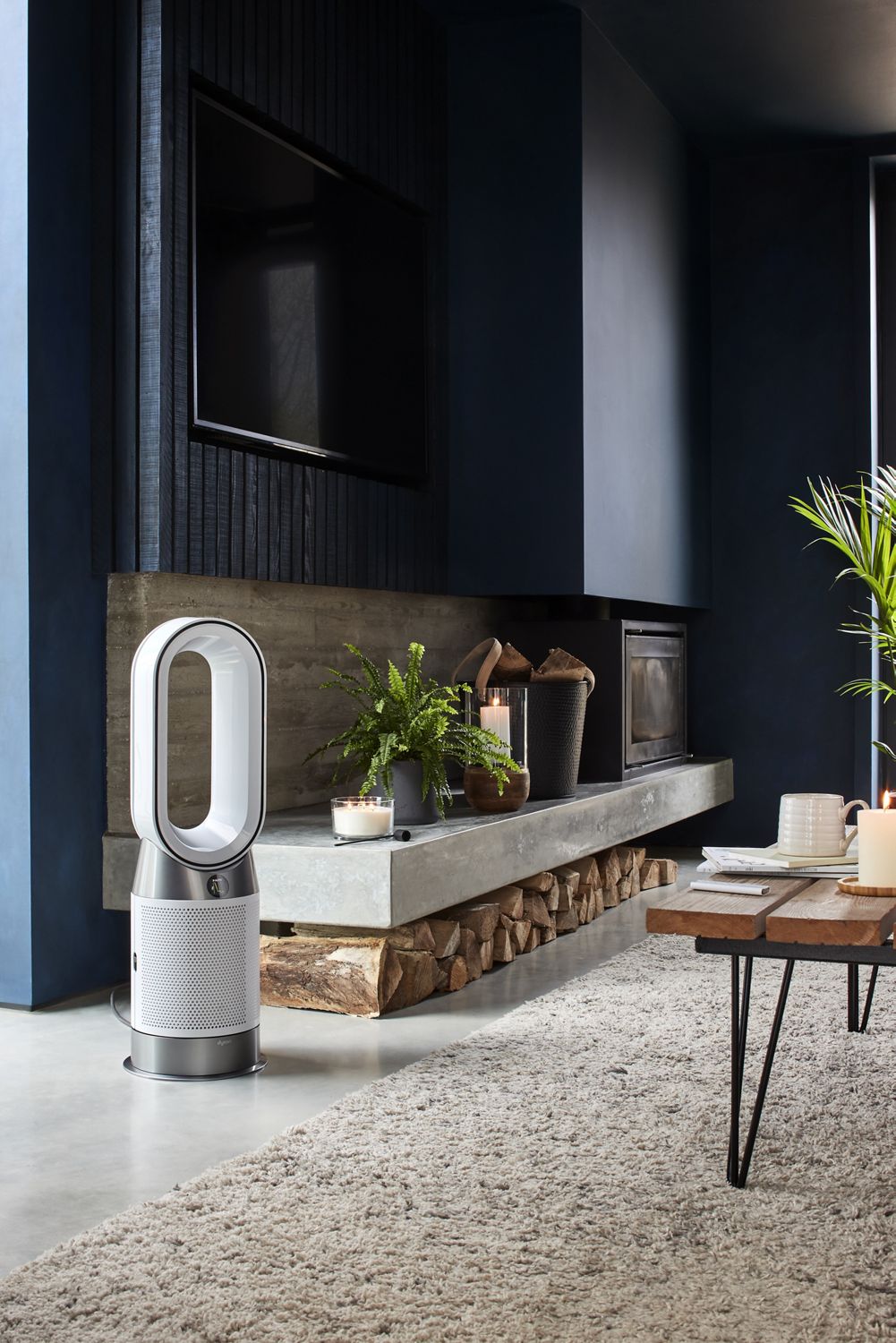
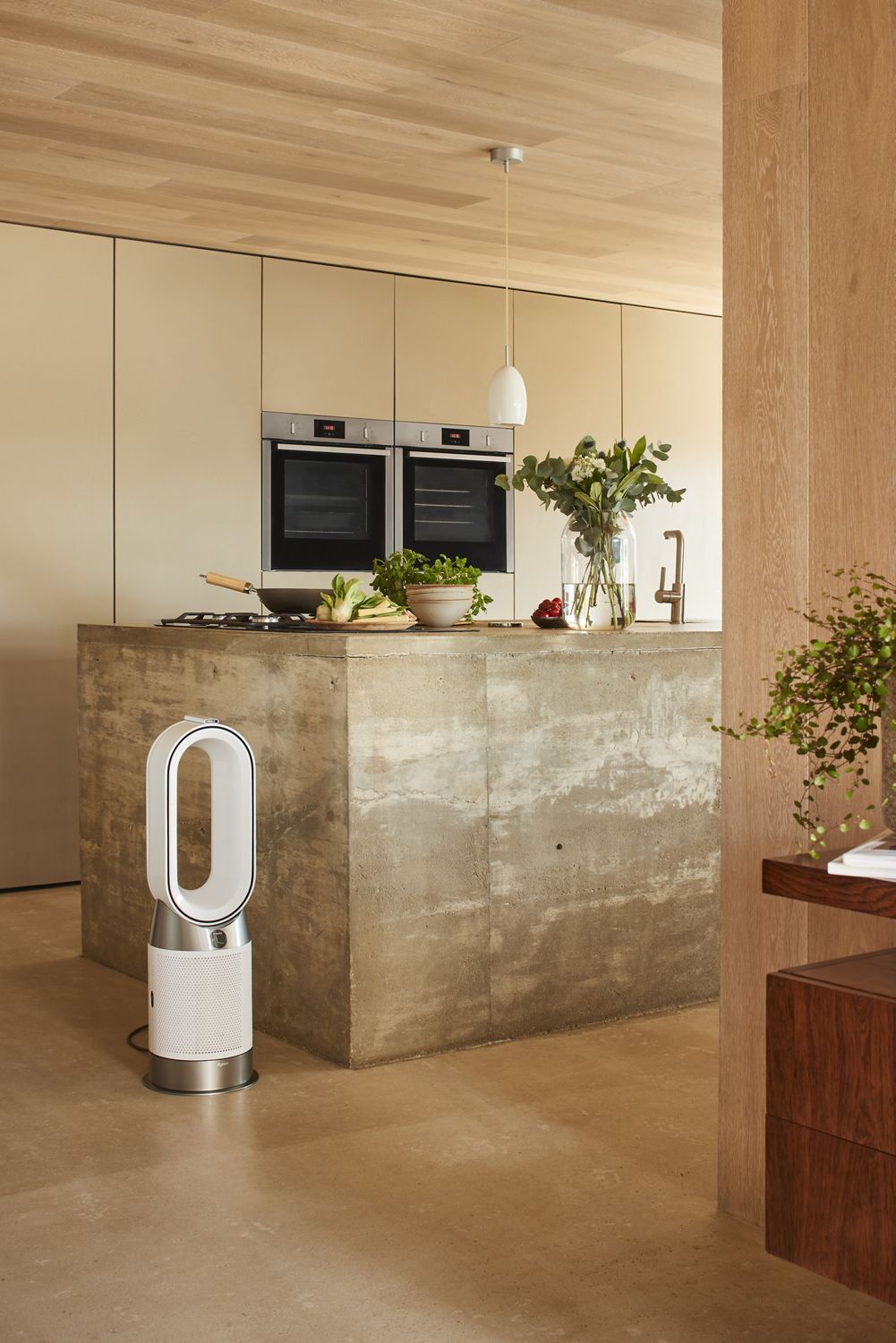
The Dyson Hot+Cool HP1 purifier has been engineered to help create the right environment for sleep projecting powerful airflow to heat the room as needed or to cool you, while automatically purifying the air to remove allergens and pollutants. Acoustically engineered to ensure it operates quietly without disturbing your sleep.”
Expert insight: the science of better sleep
James Wilson, known as The Sleep Geek, added: “It’s clear that being a nation of poor sleepers is really impacting our day-to-day. Dyson’s research shows that people are getting by on less than four hours and even an hour at times is really worrying and it’s making us snappy, unproductive and getting in between our relationships.
But luckily there are some things we can do to help get better sleep and manage these side effects. I have recently introduced a consistent wake up time, getting ready for bed and watching something funny or trashy an hour before I want to go to sleep, and lowering my body temperature before I go to bed, to my personal sleep routine and the results have been great in terms of improving my sleep experience.”
Wilson added: “Temperature plays a really important role in sleep, so much so that 36 percent of people in the Dyson survey say they snooze better when they are cool and 18 percent admit that when they are hot, their shut eye is poor. Having an air purifier that not only gets you to the perfect temperature, but also removes sleep disrupting allergens and pollutants from the air such as dust, pet dander and candle fumes is a really beneficial aid to add to your sleep routine.”
How people in the UK are trying to switch off
Despite the sleep deficit, many are already experimenting with habits to improve rest.
According to the study:
45% use fans to cool
42% listen to relaxing music
37% read before bed
31% take a bath
17% wear eye masks or listen to podcasts
A smaller number (10%) avoid technology before bed, a habit sleep experts recommend to help reduce overstimulation and allow melatonin production to begin naturally.
This research of 2,000 people in the UK was commissioned by Dyson and conducted by Perspectus Global in August 2025.
Press contacts
-
Dyson Press Office
Email: Press.Office@dyson.com
-