Up-and-coming inventors take centre stage as the James Dyson Award reveals global finalists
Published: 15 October 2025
The James Dyson Award 2025 Global Top 20 shortlist in brief:
- 20 student-led inventions have been shortlisted as global finalists in the 2025 James Dyson Award, selected by a panel of Dyson engineers.
- This year’s Top 20 shortlist includes a toilet-cleaning kidney disease detector, an AI-powered water quality monitor, and a robotic sock that supports mobility impairments.
- Global winners will be selected by Sir James Dyson from this list and announced on 5 November, each receiving £30,000 to support the development of their invention.
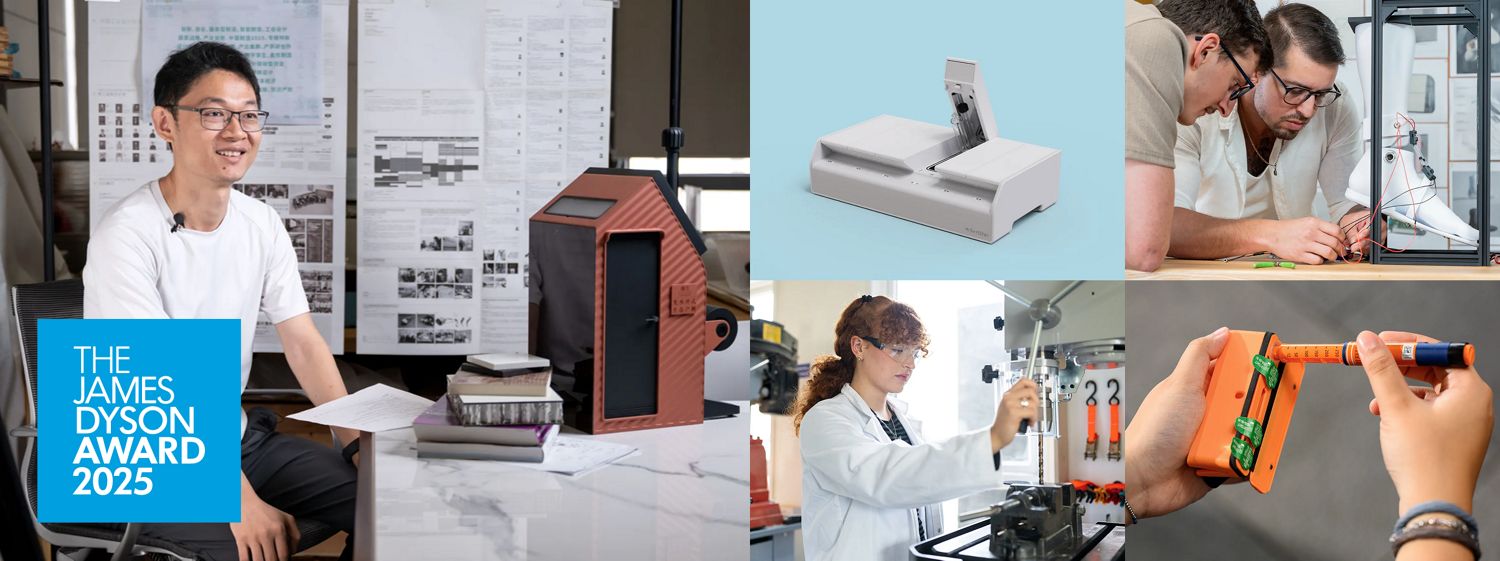
Today, 20 student-led inventions from around the world have been shortlisted as finalists in the 2025 James Dyson Award, bringing them one step closer to the global prize.
Celebrating bold approaches to problem-solving, the James Dyson Award is an international design engineering competition that challenges young inventors to develop solutions to real-world issues. This year, entries tackle problems from climate change, accessibility in healthcare, to disaster response.
The Award’s Top 20 shortlist addresses the world’s most pressing problems
- Overcoming anxiety towards medical screening: Dr. Jayanti Kumari in India has been shortlisted for her invention OncoALERT, a needle-free oral cancer test powered by paper-based nanotechnology. In the UK, Yidan Xu progresses to the Top 20 shortlist with Urify, a toilet-cleaning tablet which also screens for early kidney disease. The invention was inspired by Yidan’s father, whose chronic kidney disease was diagnosed at a late stage due to delayed screening.
- Empowering individuals with accessibility needs: A team of industrial design undergraduates in Türkiye makes learning Braille fun through movement and sound with BrailleSteps. Bradley Wagman and Viktor Bokisch from the US address mobility challenges for people with foot drop with their invention Sole¹, a soft, wearable device that uses artificial muscles to help people move more naturally.
- Reducing waste and energy consumption: Tackling waste in the healthcare sector, Pablo Yániz González in the Netherlands designs POMPA, a reusable inflator for blood vessel procedures using components which can be sterilised then used again. In Malaysia, the team behind UNBLOK transforms palm oil waste into biodegradable kitchen filters that trap fats, oils, and grease, simplifying sewage treatment.
This year’s global finalists were selected by a panel of 15 Dyson engineers based in the UK, US, Singapore, Malaysia and the Philippines. They bring a wide range of expertise, from product design and sustainability to electronics and materials science. Each invention was evaluated on its functionality, design process, originality, and commercial viability.
-
-
“This year we had a wide ranging and innovative submissions that addressed some of the biggest challenges facing our society today. The judges had a real challenge to choose the Top 20 shortlist, and had some great debates about which ideas were both truly innovative and realistic for the market. All the entrants should be proud of their inventions. I look forward to seeing who wins!”
Robyn Coutts, Head of Innovation and Delivery at Dyson and James Dyson Award 2025 Top 20 Judge
-
-
-
The overall global winners, selected by Sir James Dyson, will be announced on 5th November. Each winner will receive £30,000 in prize money to support the next phase of their invention.
Meet the shortlist
-

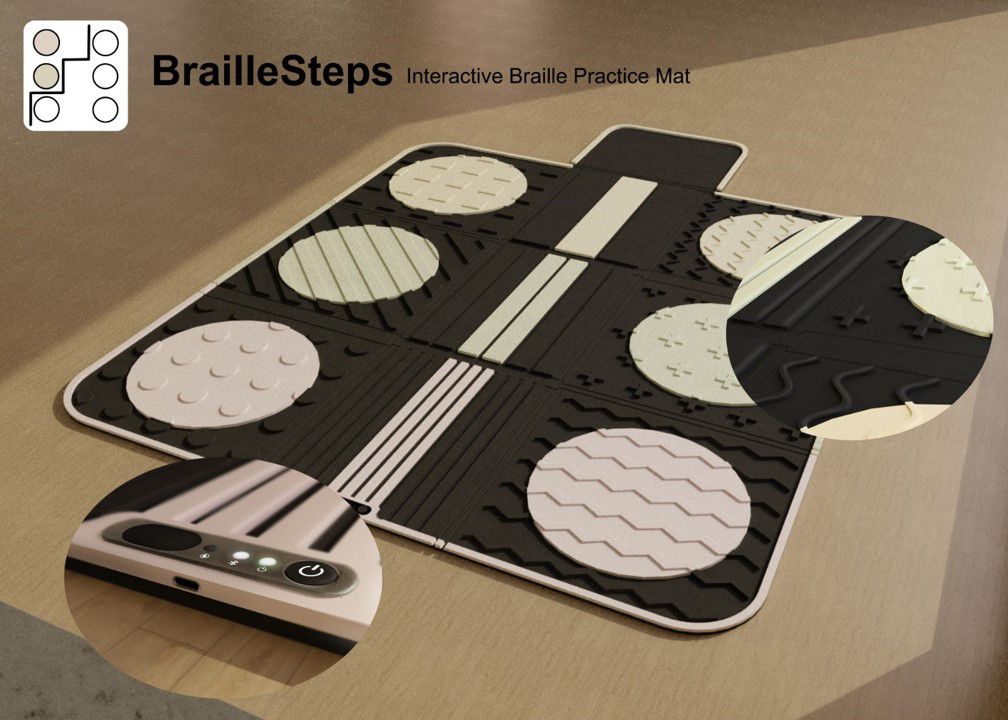
Problem: Visually impaired children often lack confidence in movement and find Braille learning slow, static, and disengaging, limiting literacy and independence.
Solution: BrailleSteps is an interactive, multisensory mat that teaches Braille through kinaesthetic movement, tactile feedback, and real-time audio cues. By involving the whole body, it builds literacy, confidence, and engagement, making Braille learning fun and accessible.
Invented by Sema Betül Akkurt, Zhala Imamova, Rümeysa Aygündüz, Beste Toprak – Middle East Technical University.
-
Problem: Self-injections for fertility treatment are difficult, time-consuming, and stressful, needing two hands and bulky coolers.
Solution: Blloom is a portable self-injection device that makes fertility treatment safer, easier, and more discreet. It allows one-handed injections and integrates insulation to keep medication at the correct temperature for over six hours.
Invented Seoyeon Kim, Junhyung Kim, Yoonjung Jang, Sungbeen Lee, Heejin Kim – Hongik University.

-
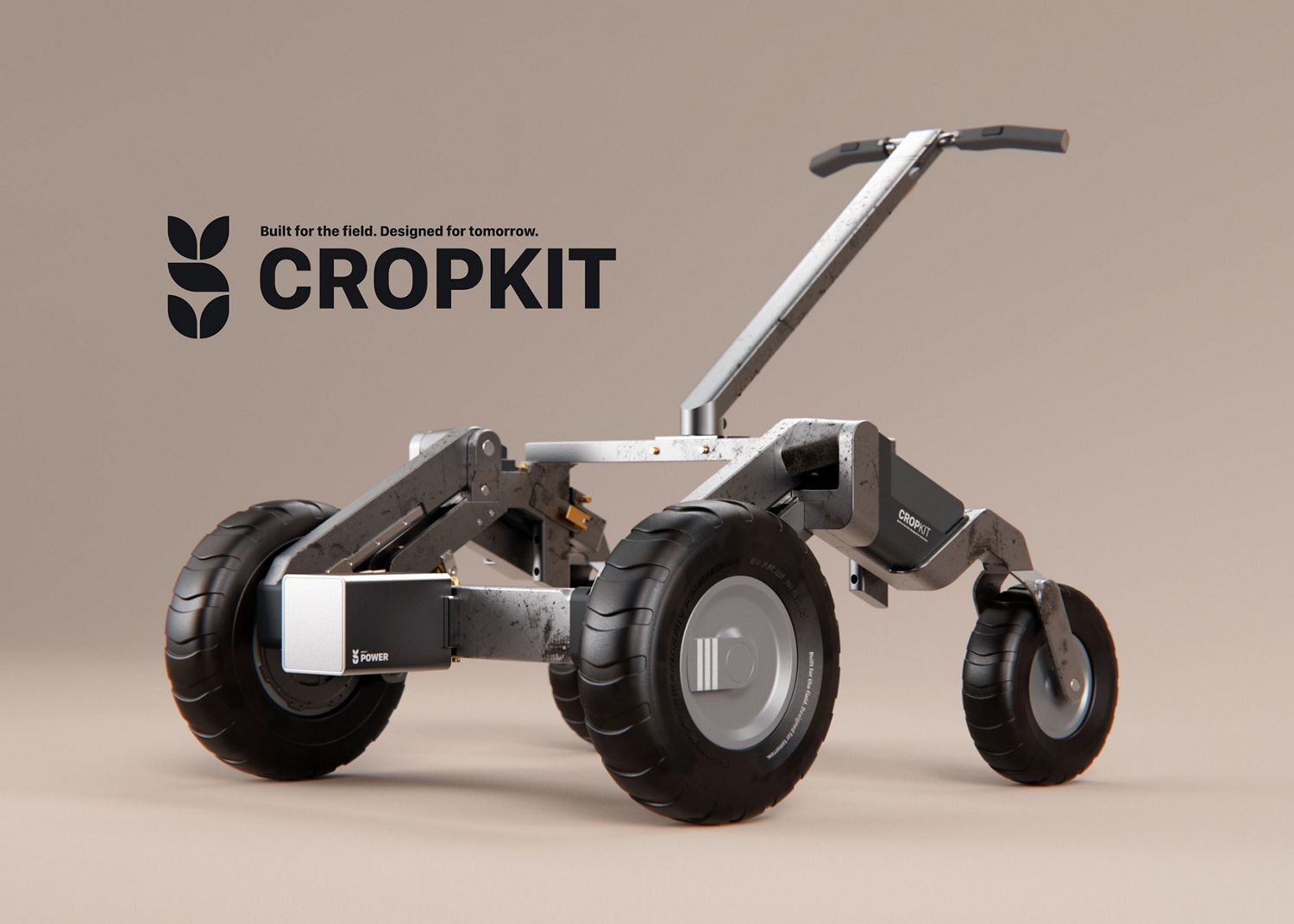
Problem: Small-scale farms are struggling to survive due to high equipment costs, labour shortages, and lack of adaptable technology, threatening biodiversity and local food systems.
Solution: CropKit is a modular, open-source electric micro tractor platform that makes advanced, affordable tools accessible for small farms. It allows farmers to easily attach different modules, choose their preferred level of automation, and supports sustainable, autonomous farming with minimal strain.
Invented by David Soche – TU Delft.
-
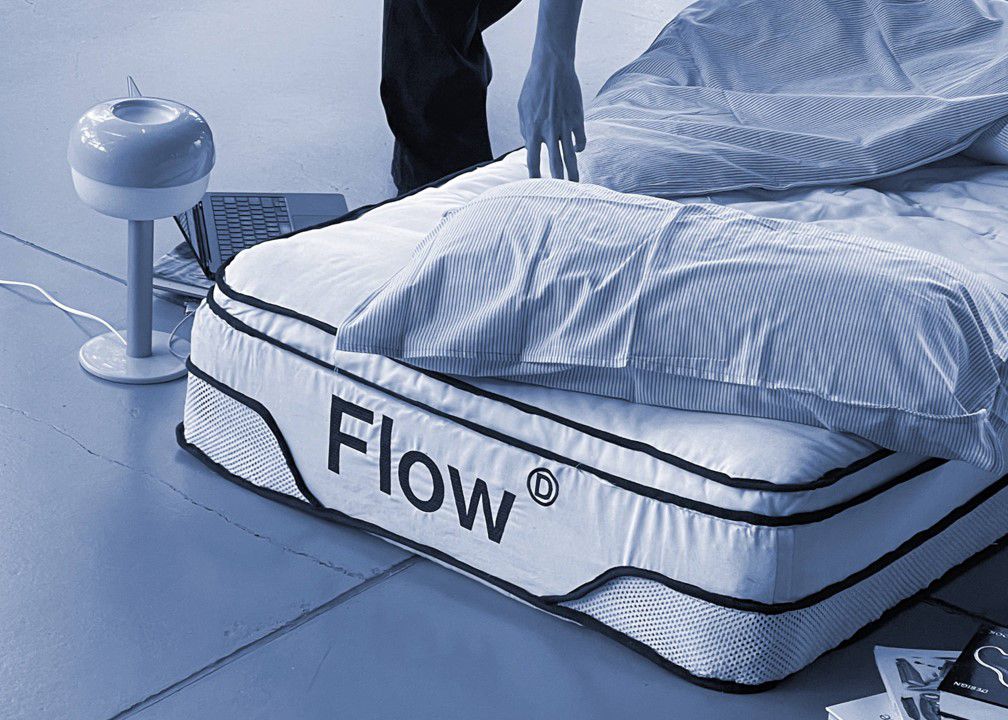
Problem: Most mattresses are nearly impossible to recycle due to mixed materials and adhesives, leading to millions ending up in landfills each year.
Solution: Flow is a fully recyclable mattress system that quickly disassembles into separate parts. It is made of a single TPE polymer – a type of flexible plastic – and a cotton-polyester fabric cover, both compatible with existing recycling systems.
Invented by Maximillian O’Brien – RMIT University.
-
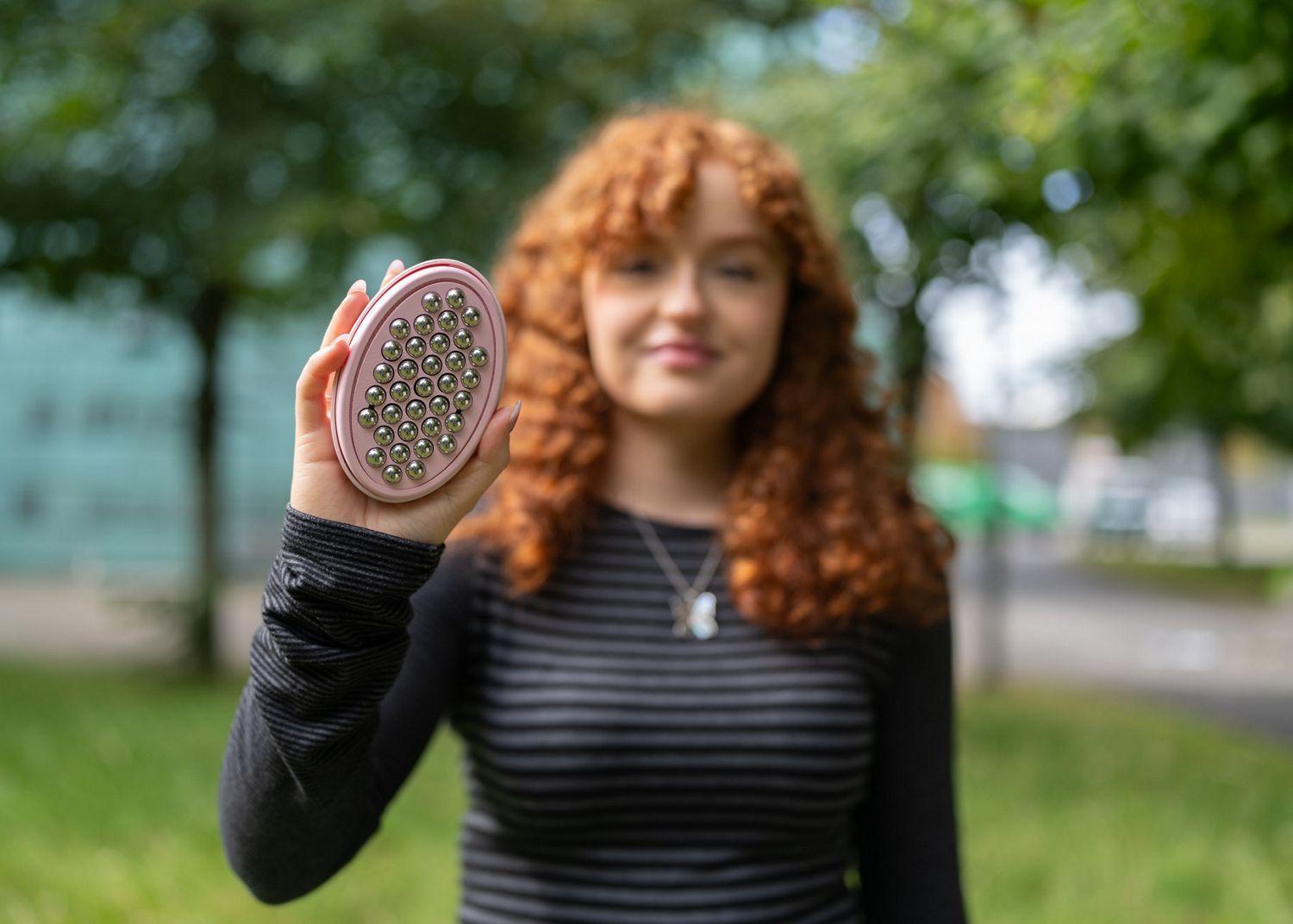
Problem: Patients recovering from breast cancer surgery are at high risk of lymphoedema, but access to professional manual lymphatic drainage (MLD) is limited, and self-treatment techniques are difficult to learn safely.
Solution: Lymphia is a handheld device with a pressure sensor and real-time feedback that teaches patients proper self-lymphatic drainage. It guides users with an app, making MLD accessible, effective, and confidence-building for post-surgery recovery and lymphoedema prevention.
Invented by Zoë O'Sullivan – Maynooth University
-
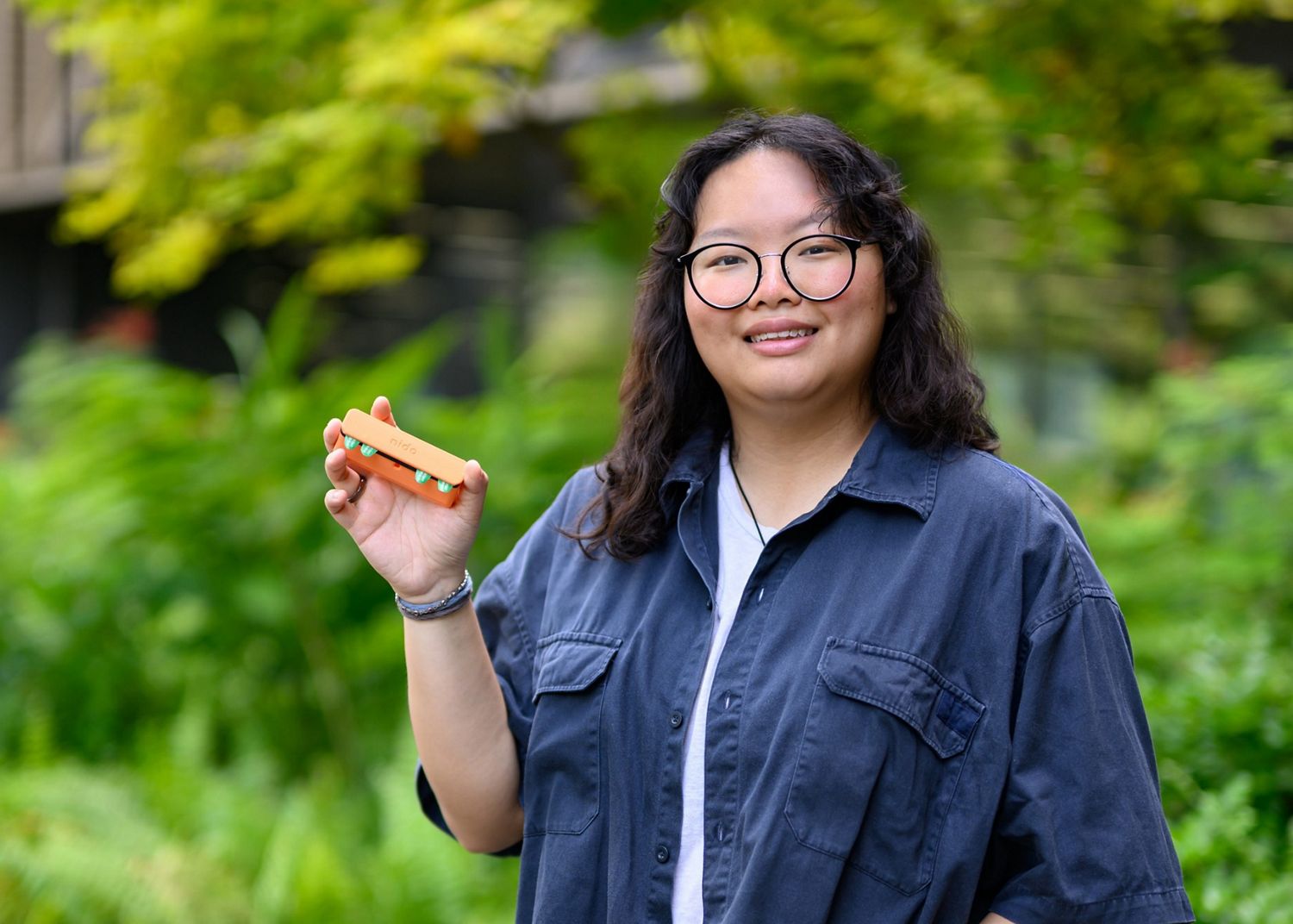
Problem: People with Type 1 diabetes face daily stress and hygiene risks due to disorganised, unsafe storage and handling of insulin needles during multiple daily injections.
Solution: nido is a compact, portable holder that securely stores, dispenses, and disposes of insulin needles with one hand. Its user-driven design streamlines the injection process, enhancing safety, comfort, and organisation for people managing diabetes.
Invented by Zheng Qi Chan – National University of Singapore.
-
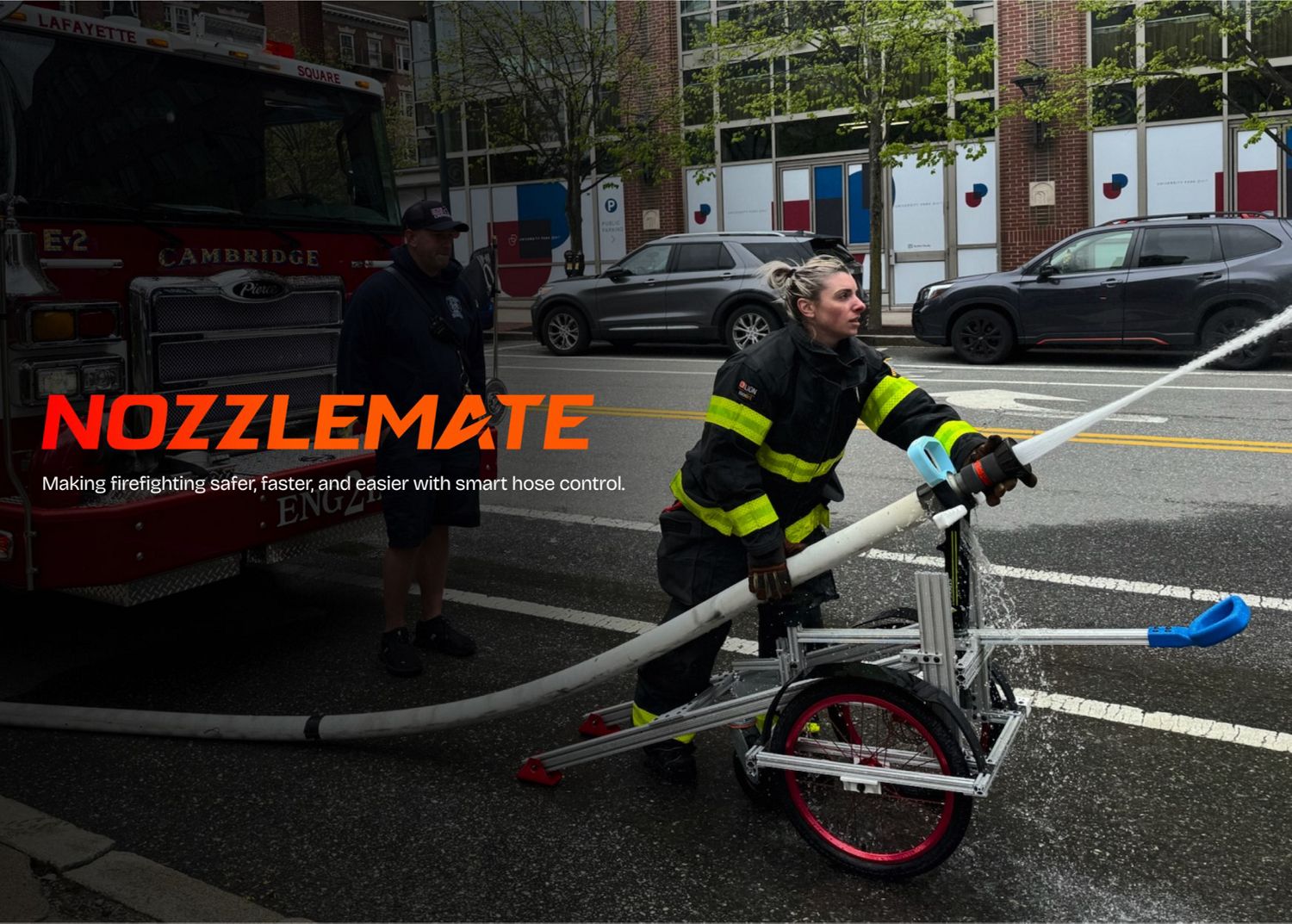
Problem: Firefighting demands the strenuous effort of four or more firefighters dragging heavy hose lines across the ground. Handling charged hose lines is a leading cause of fireground injuries.
Solution: Nozzlemate uses an agile wheeled carrier and a weighted brake to help a firefighter manoeuvre heavy hoses under extreme pressure. Its handles and mounts are ergonomically designed to suit firefighters’ hand sizes and dexterity, even while wearing thick protective gloves.
Invented by Adrian Kombe, Meihan Liu and Sirinda Limsong – Harvard University.
-
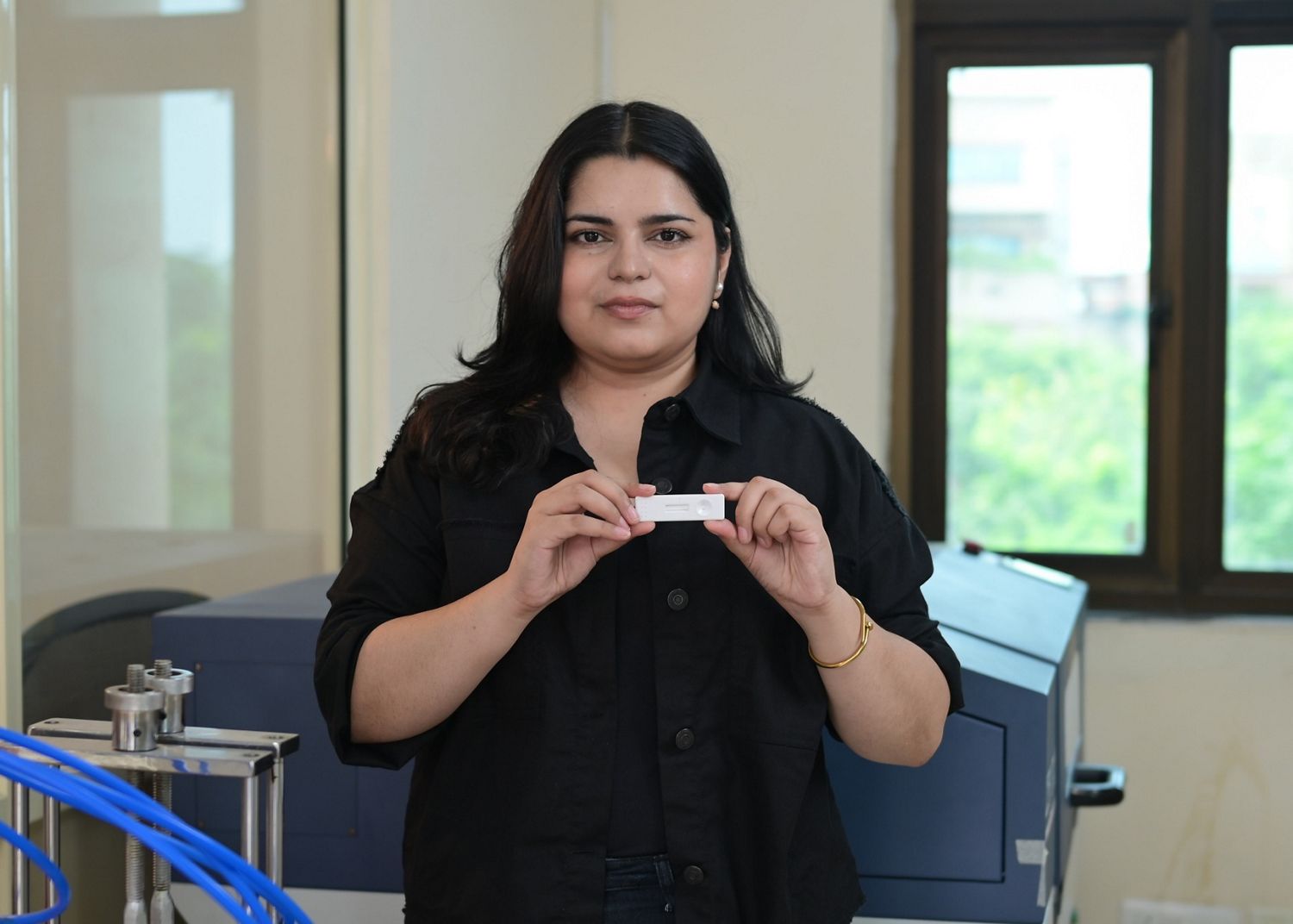
Problem: Early detection of oral cancer is difficult and costly, especially in underserved communities, leading to late diagnoses.
Solution: OncoALERT is a low-cost, needle-free device that uses nanotechnology to quickly and accurately screen for oral cancer at home using saliva. It uses biodegradable paper to make early testing accessible and free from plastic waste.
Invented by Dr. Jayanti Kumari – Translational Health Science and Technology Institute.
-
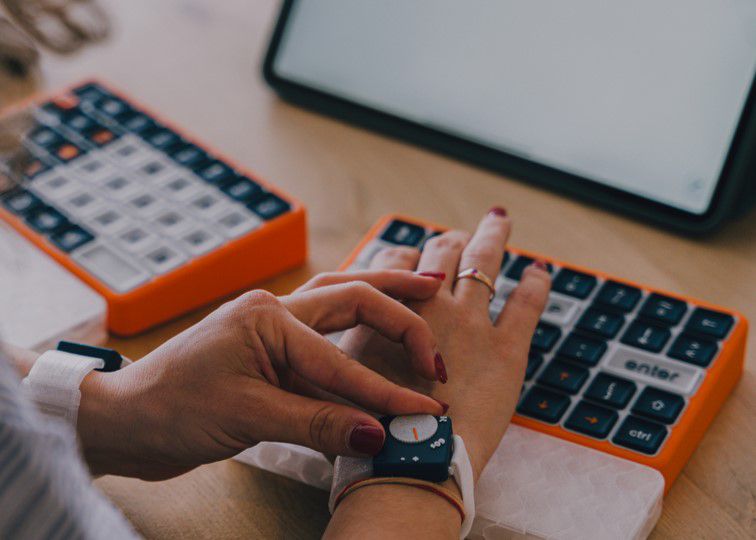
Problem: Individuals with Parkinson’s face tremors and bradykinesia, a condition that slows movement and impairs fine motor control. These symptoms make keyboard typing a difficult and often frustrating task.
Solution: OnCue is a compact, split keyboard with haptic wristbands that gently vibrate to help users with Parkinson’s maintain a steady typing rhythm and feel the keys. AI-powered lighting suggests letters to reduce errors, while raised key edges and shortcut buttons make typing easier and more accurate.
Invented by Alessandra Galli – TU Delft.
-
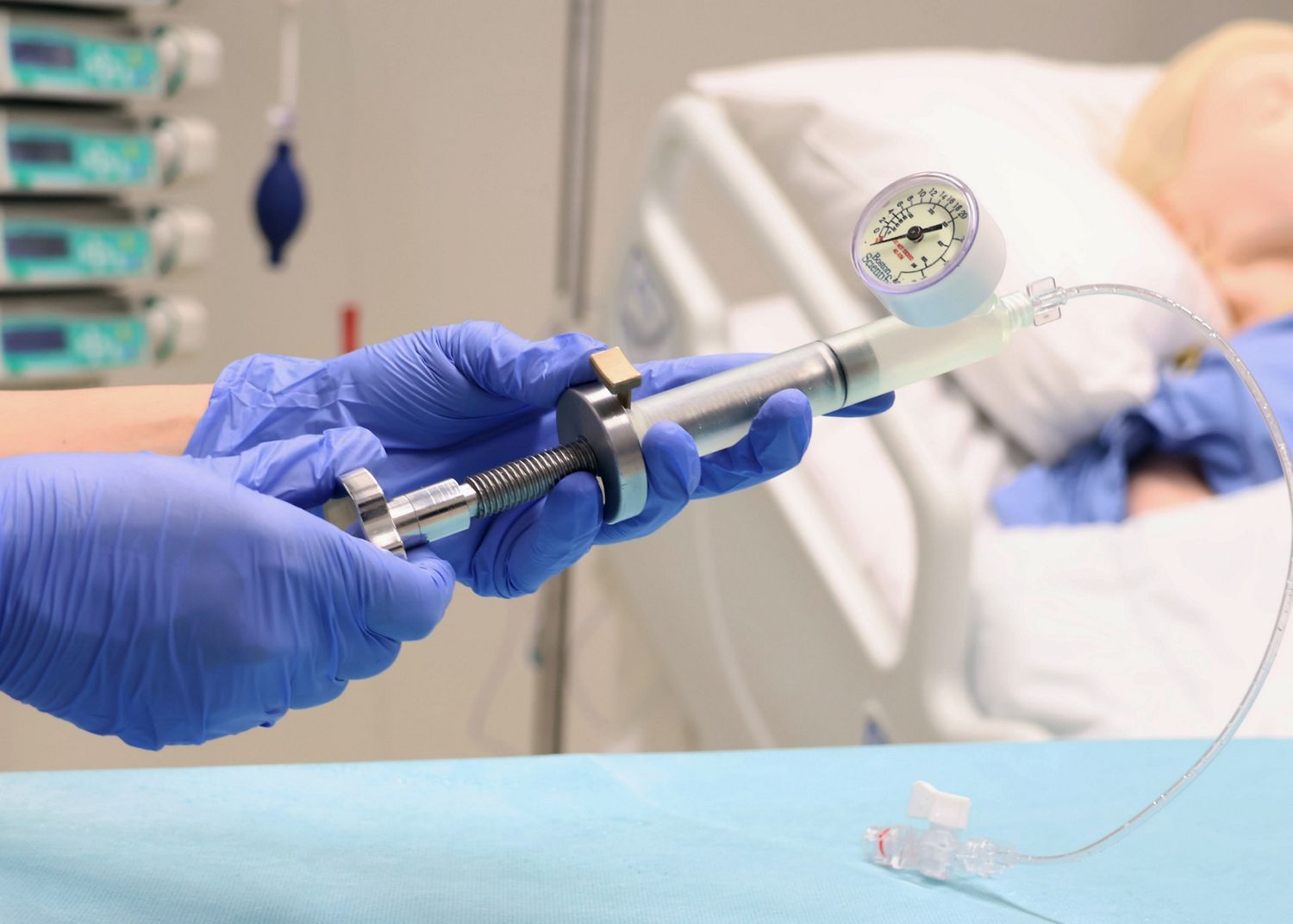
Problem: During some blood vessel procedures, doctors use endovascular inflators to inflate tiny balloons which help open blockages or place medical implants. These devices are usually single-use, producing significant medical waste.
Solution: POMPA is a partially reusable inflator for endovascular procedures, featuring a design that allows key components to be easily disassembled, cleaned, and sterilised for up to 1,000 uses. This significantly reduces both the environmental footprint and costs compared to conventional single-use devices.
Invented by Pablo Yániz González – TU Delft
-
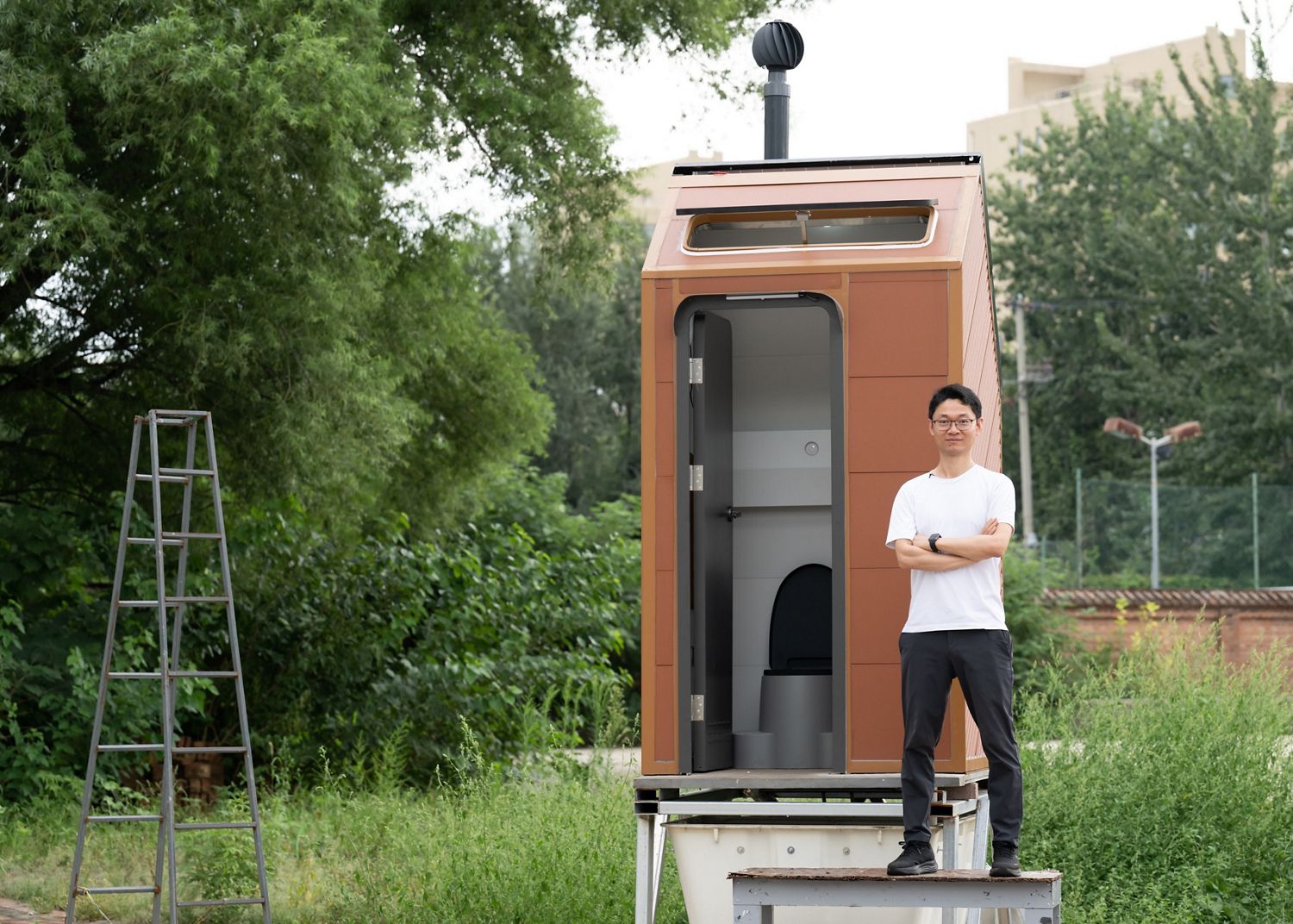
Problem: Cold and arid regions without sewer networks lack affordable, hygienic toilets, leading to poor public health, environmental risks, and low adoption of sanitation solutions.
Solution: Pureco is a low-cost, waterless composting toilet system that separates and processes waste using solar and wind energy. Designed for cold climates, it eliminates the need for sewers or water, prevents freezing, controls odours, and transforms waste into valuable fertilizer.
Invented by Huang Junming, Liang Ji – Tsinghua University.
-
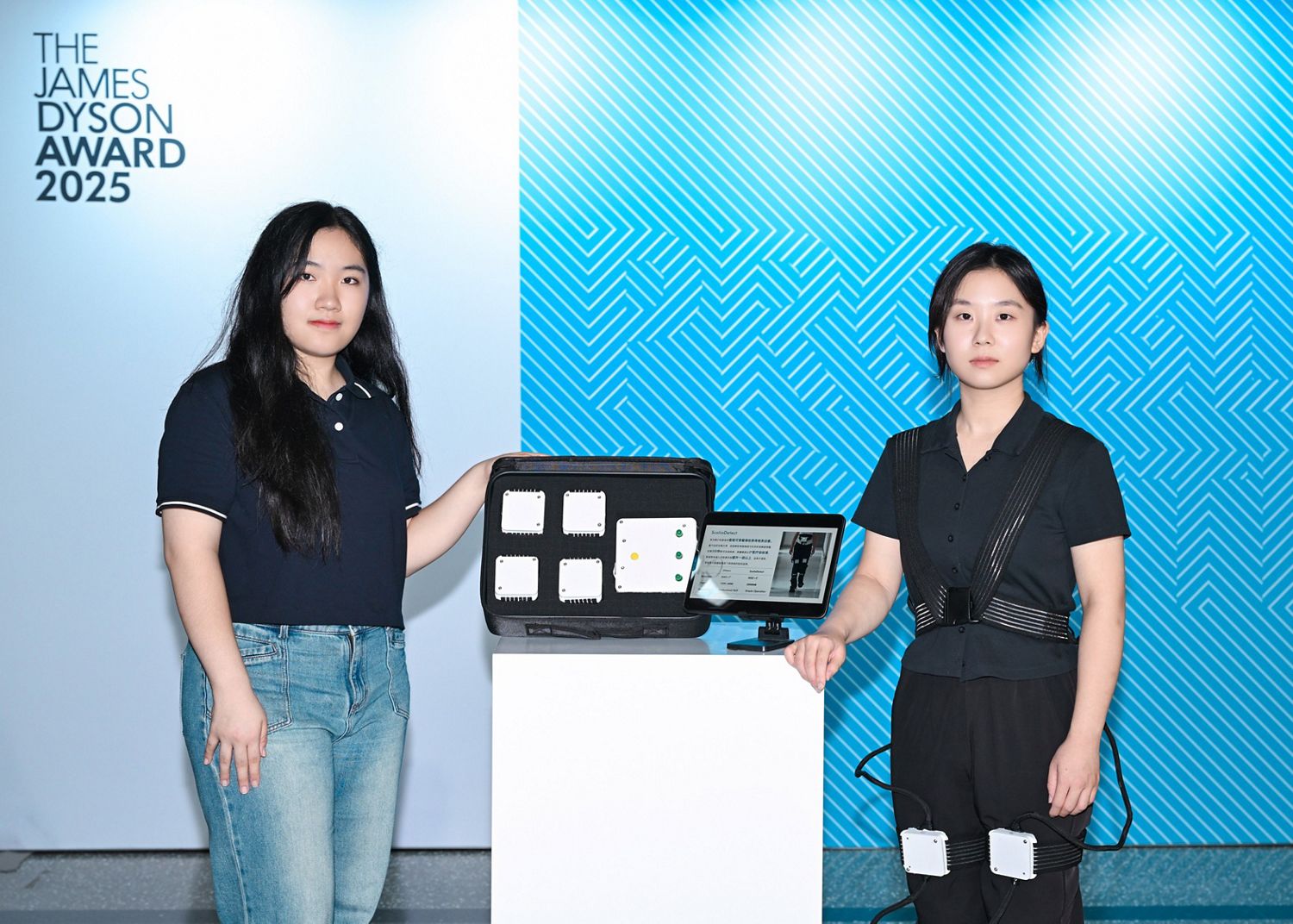
Problem: Current scoliosis screening methods are often inaccurate, operator-dependent, and miss early-stage cases.
Solution: ScolioDetect is a wearable sensor system that uses AI to analyse walking patterns and detect scoliosis with 3° accuracy. The process takes less than three minutes, involves no radiation, and requires no medical specialist.
Invented by Hanwen Lu and Song Xinyuan – Shanghai Jiao Tong University.
-
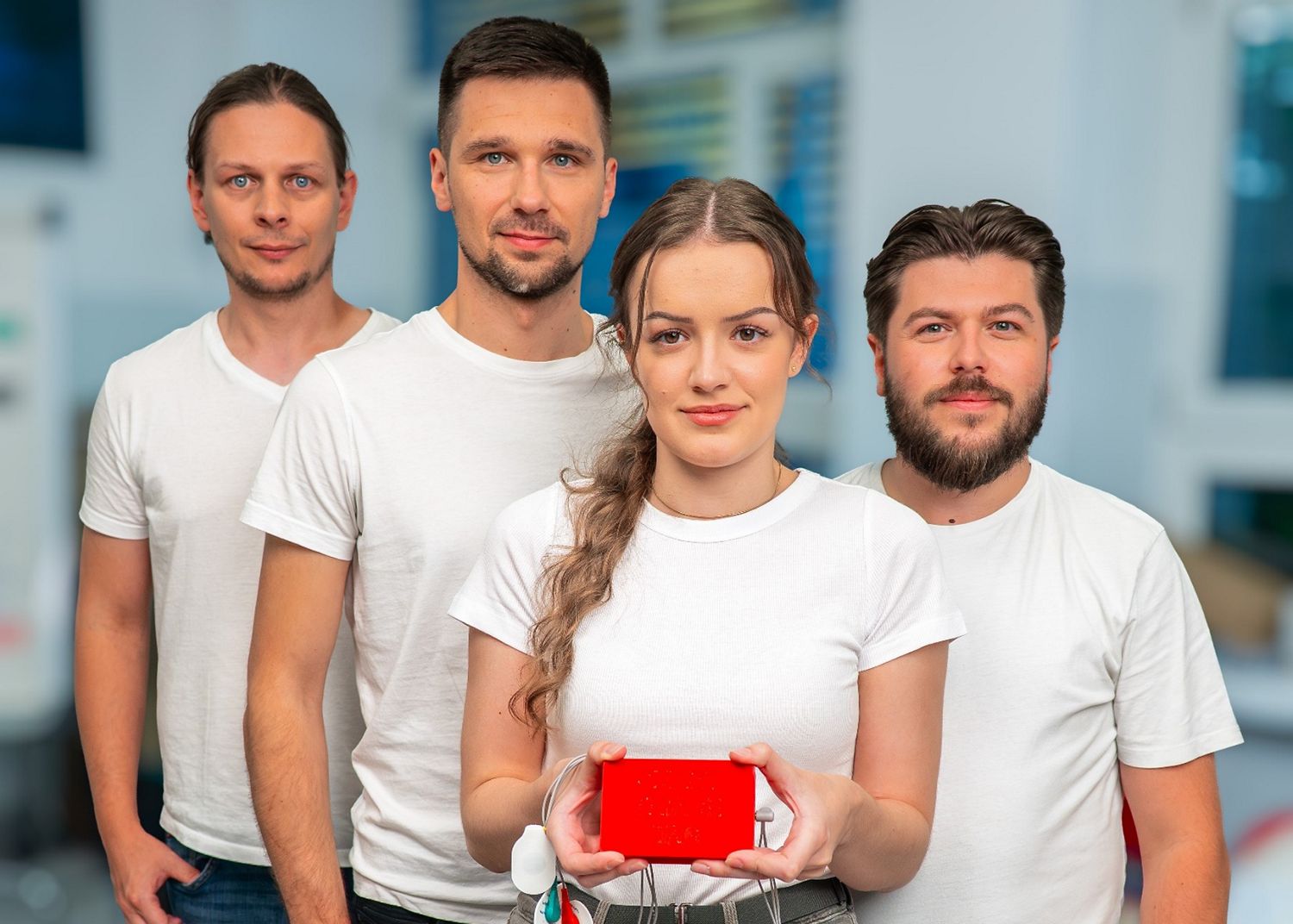
Problem: Traditional triage systems during mass-casualty incidents are static and can miss rapid patient deterioration, creating risk in resource-limited emergency scenarios.
Solution: Smart Triage Tag is a wearable, wireless wristband that monitors vital signs in real time. It transmits alerts and status to a central app, and enables rapid, continuous oversight of multiple patients – improving response and decision-making in emergencies.
Invented by Jacek Bajer, Arkadiusz Kurasz, Klaudia Szwajkowska, Rafał Amrozik – WSB Merito University
-
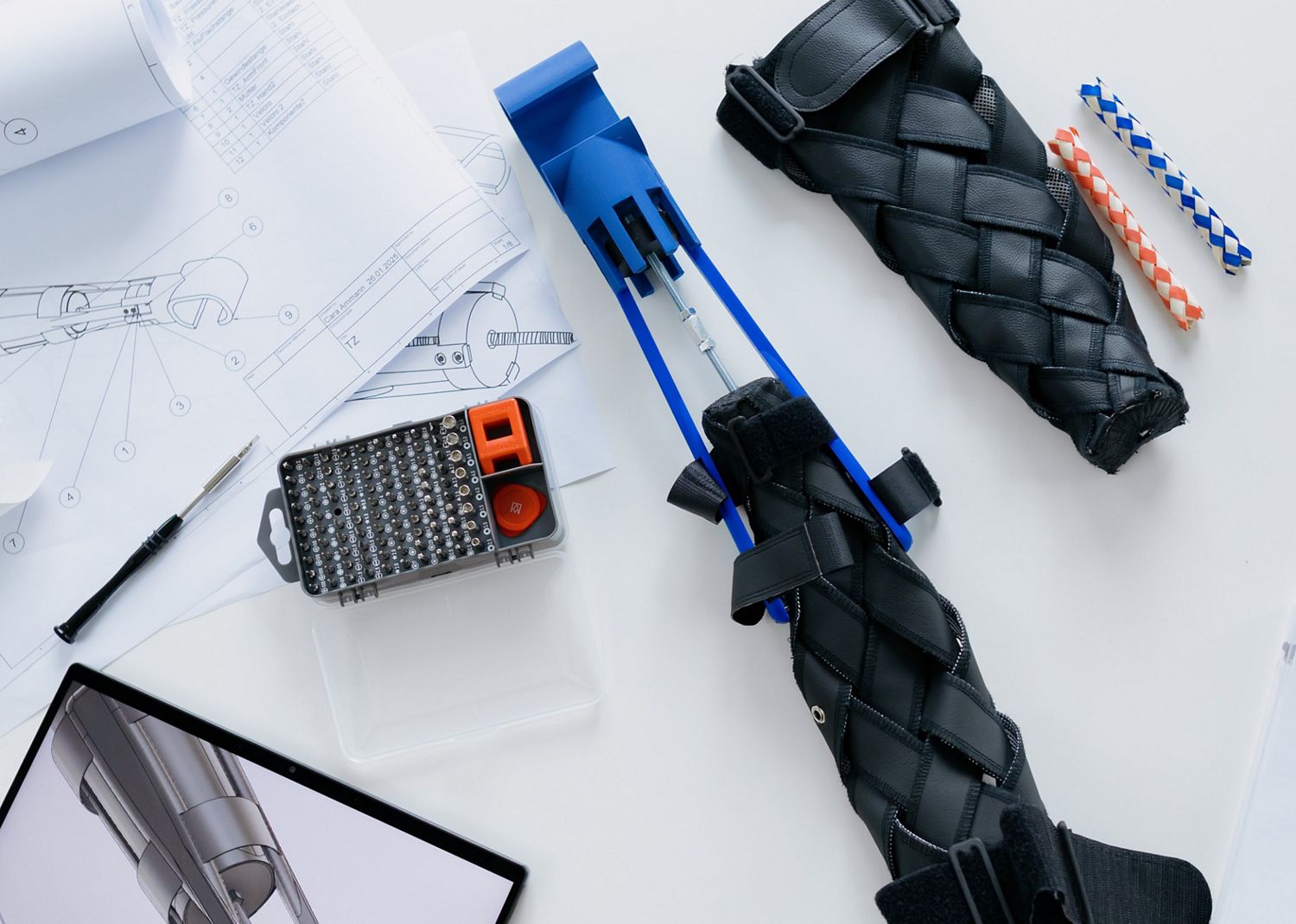
Problem: Millions with upper limb differences lack access to comfortable, affordable, and adaptable prosthetic sockets – especially for active use and in low-resource settings.
Solution: Softletics is a lightweight, self-adjustable prosthetic socket that combines 3D-printed and textile parts with a self-tightening mechanism. Modular, breathable, and clinic-free, it empowers users to achieve comfort and control for sports and daily life.
Invented by Cara Ammann, Lisa-Marie Frühauf – ETH Zurich
-
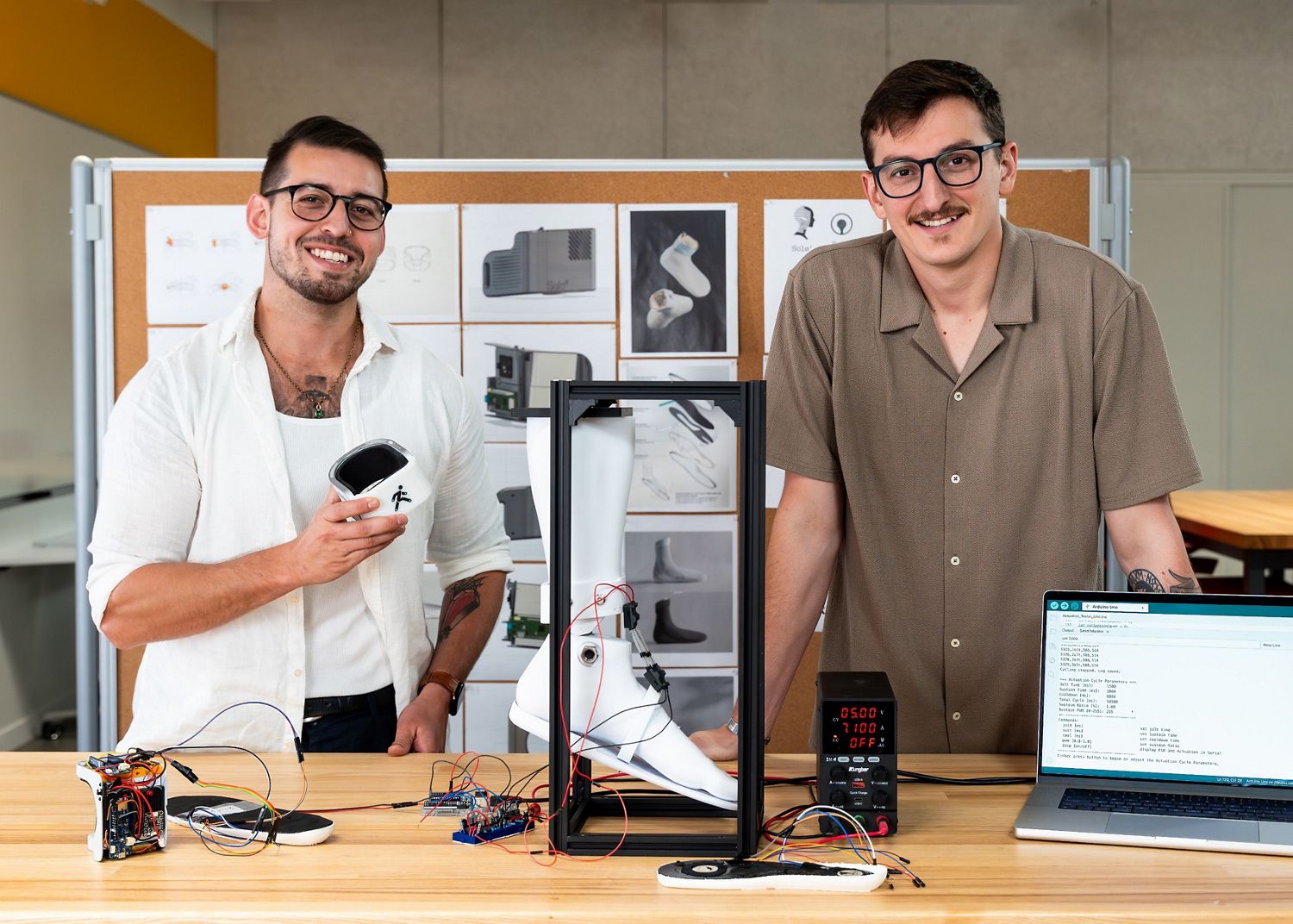
Problem: Traditional mobility devices for conditions like foot drop are rigid, stigmatising, and often immobilise users, leading to discomfort, loss of confidence, and declining function.
Solution: Sole1 is a soft robotic wearable that uses AI and embedded synthetic muscles in a comfortable sock to detect impaired gait and dynamically assist movement. Lightweight, adaptable, and user-centred, it restores natural mobility and independence for people with foot drop and similar disabilities.Invented by Bradley Wagman, Viktor Bokisch – Harvard University
-
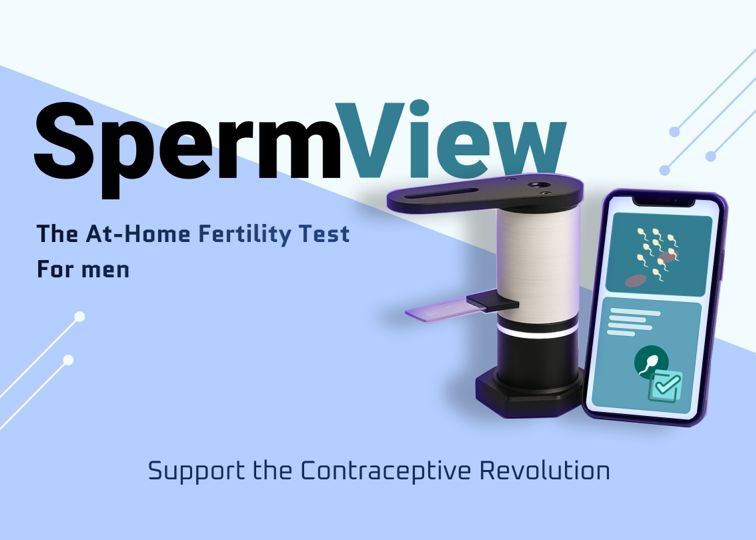
Problem: Sperm analysis is often expensive, inaccessible, and not designed for regular use – making it difficult for men to reliably monitor fertility, especially when using new male contraceptive methods.
Solution: SpermView is an affordable, AI-powered at-home fertility test. It uses a miniature camera and a smartphone app to provide accurate, repeatable sperm analysis, empowering men to track their fertility easily and support wider adoption of male contraception.
Invented by Eléonore Abadie, Jack Bourdin White, Julie Simon, Mika Ziegler – IMT Atlantique
-
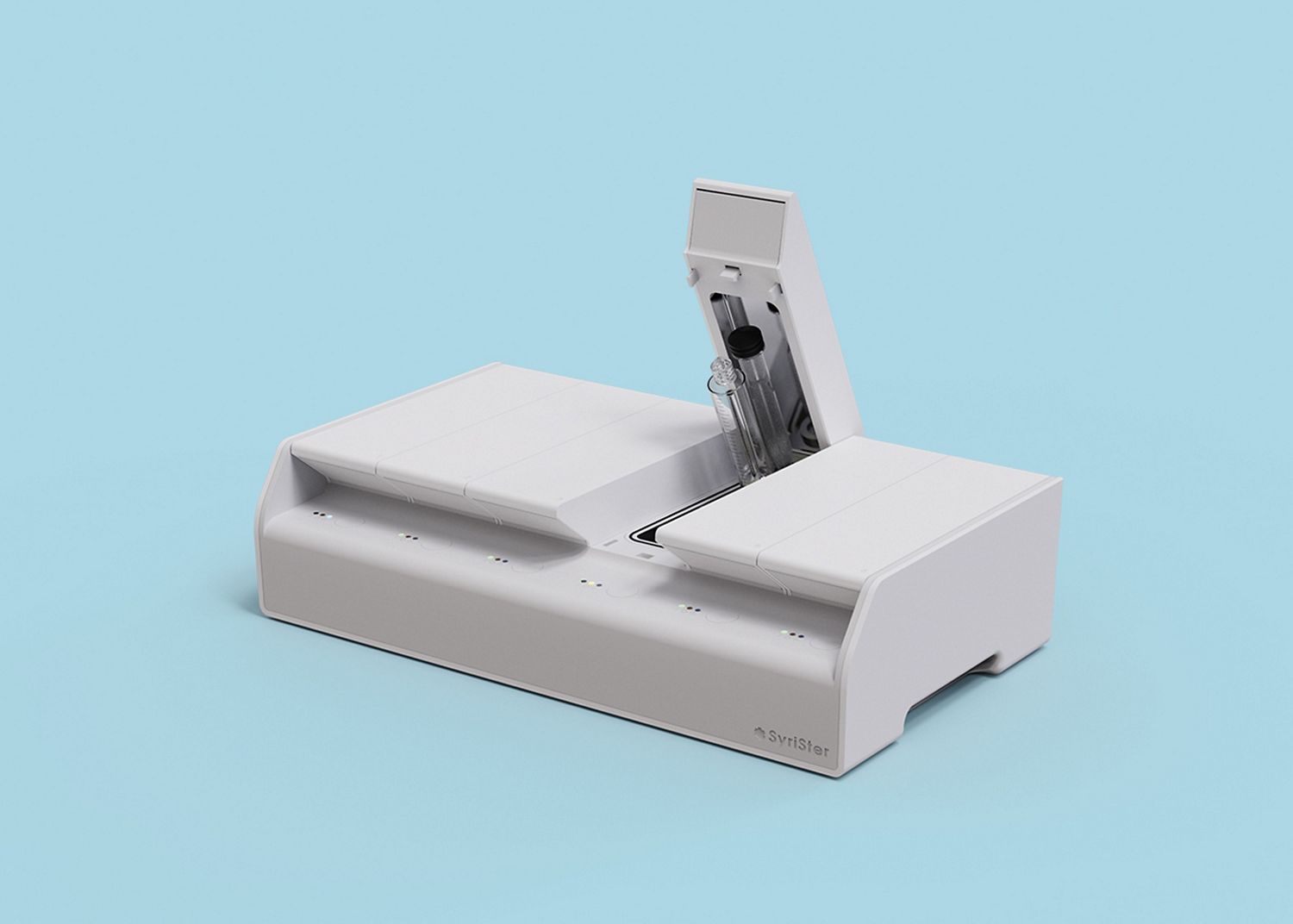
Problem: In crisis zones and developing countries, medics often have to reuse syringes due to supply shortages, which leads to unsafe injections and the spread of serious diseases.
Solution: SyriSter is a portable, battery-powered UV-C sterilisation device for syringes. It safely kills pathogens like HIV in 60 seconds using UV-C light, and allows multiple syringes to be sterilised at once.
Invented by Hannah Gough – Swinburne University of Technology
-
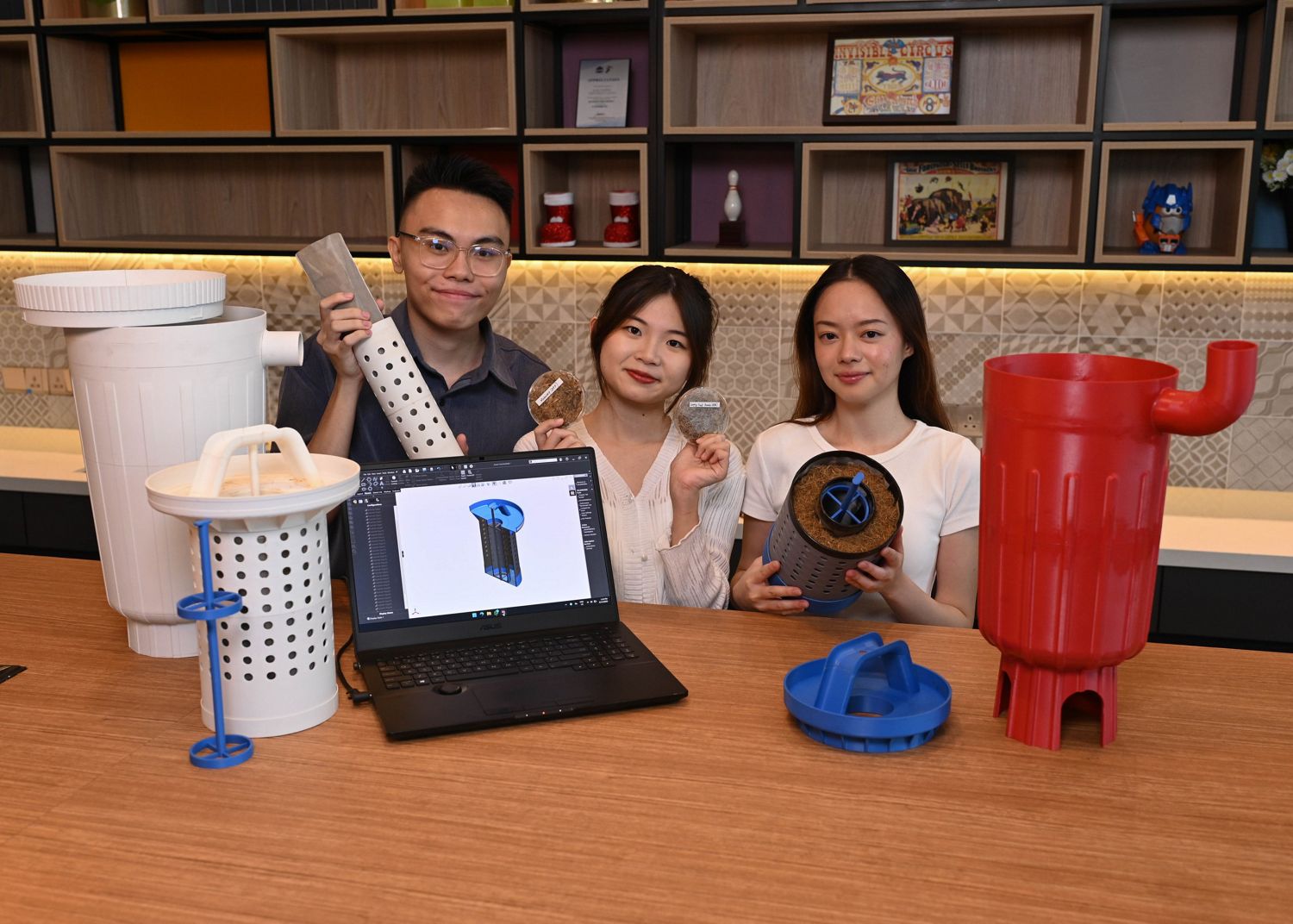
Problem: Improper disposal of kitchen fats, oils, and grease (FOG) clogs pipes, causes pollution, and strains sewage systems – issues especially problematic in households with low-flow drainage.
Solution: UNBLOK is a biodegradable FOG filter made from palm oil waste. Installed in sinks, it efficiently traps FOG before it enters the pipes, prevents blockages, and can be composted or used as biofuel, supporting a zero-waste kitchen routine.
Invented by Ong Jing Rou, Natalie Tham, Ng Wen Kai – Asia Pacific University of Technology and Innovation
-
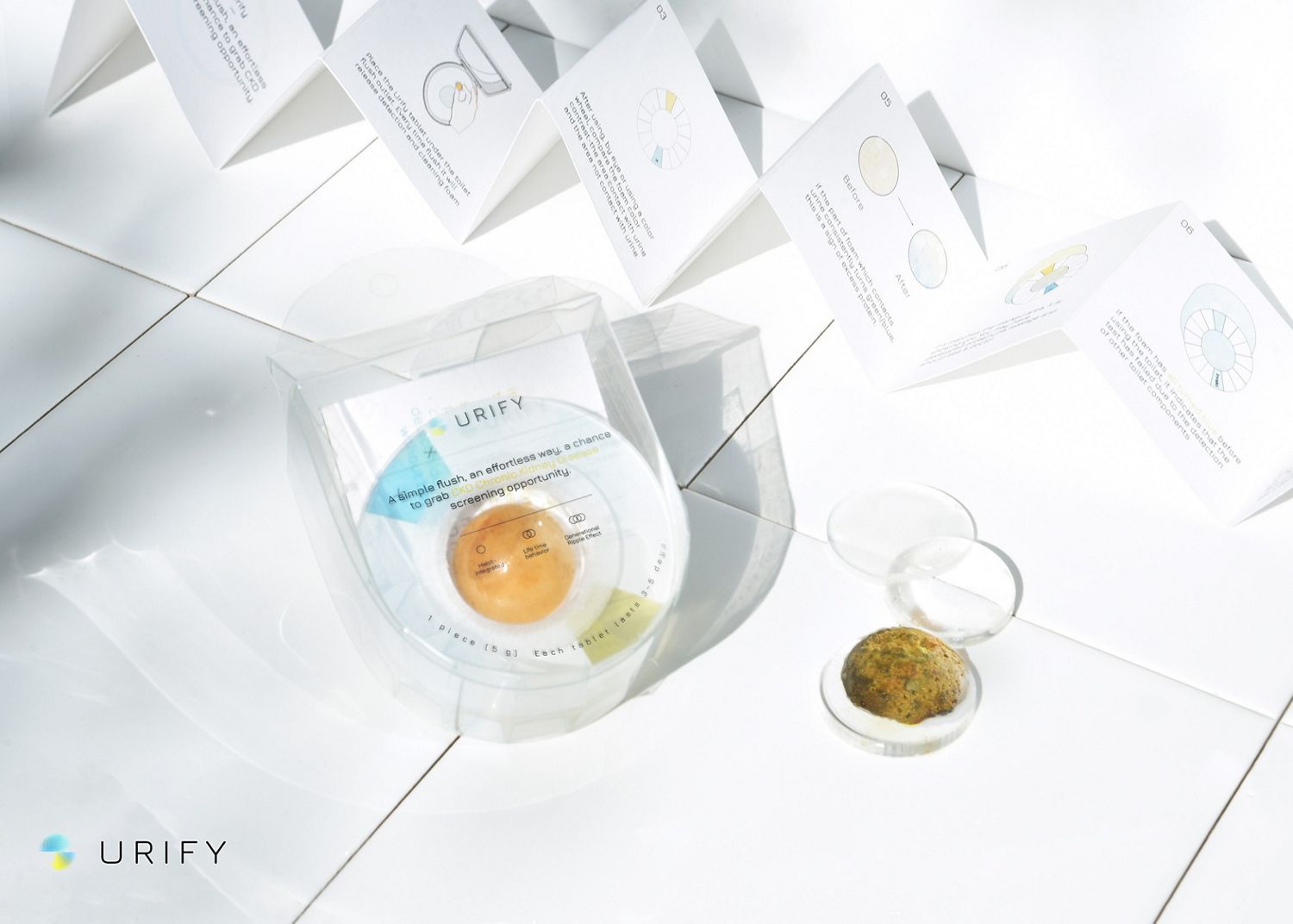
Problem: Chronic kidney disease (CKD) often goes undetected until it reaches an advanced stage, as early screening is not easily accessible.
Solution: Urify is a toilet-cleaning tablet that passively screens for early kidney disease. When flushed, it releases a reagent that changes colour if urinary albumin – a sign of CKD – is present.
Invented by Yidan Xu – Imperial College London & Royal College of Art
-
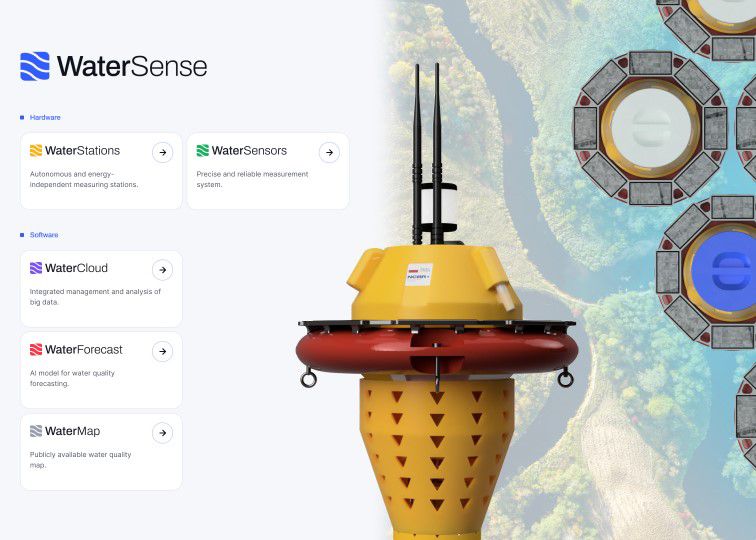
Problem: Globally, more than 40% of water bodies are severely polluted. In the EU, over 63% of rivers and lakes are critically polluted. Water quality is still monitored manually and sporadically.
Solution: WaterSense is a device that automatically monitors the health and safety of water in rivers and lakes. Powered by solar panels and small-scale hydroelectricity, its sensors measure more than 20 water quality indicators every day – from pH, dissolved oxygen, to conductivity.
Invented by Filip Budny – Warsaw University of Technology.
Press contacts
-
Dyson Press Office
Email: Press.Office@dyson.com
-
James Dyson Award
- Website: https://www.jamesdysonaward.org/
- Instagram: @jamesdysonaward
- X: @jamesdysonaward
- TikTok: @jamesdysonaward
- LinkedIn: James Dyson Award
- YouTube: youtube.com/jamesdysonfoundation
Discover Dyson