James Dyson Award 2025: Meet the National Winners pushing boundaries in design engineering
Published: 10th September 2025
The James Dyson Award 2025 National Winners in brief:
- The James Dyson Award reveals its 2025 national winners and runners-up after receiving more than 2,100 entries from 28 countries and regions.
- This year’s winning inventions tackle global challenges from sustainability, accessible healthcare, disaster response, to inclusive technology.
- National winners and runners-up will progress to the international Top 20 shortlist stage, to be announced on 15 October.
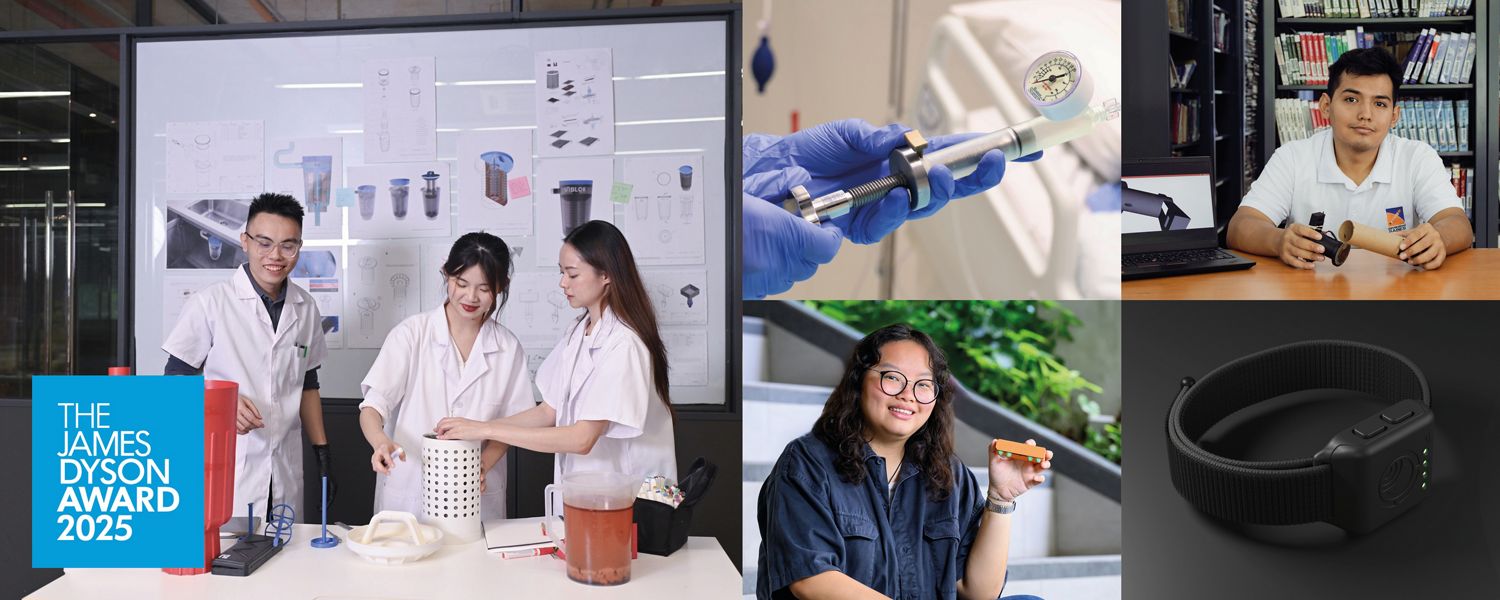
What does it take to change the world? The James Dyson Award 2025 winners prove that young engineers have the passion and ingenuity to tackle challenges head-on. Through science and engineering, they’re not just dreaming of a better world – they have the solutions to make it happen. From renewable wave energy converters, to life-saving medical tools for crisis zones, this year’s inventions deliver real-world impact.
Now in its 20th year, the James Dyson Award is an international design and engineering competition, open to students and recent graduates in relevant disciplines. Since James Dyson launched the Award in 2005, the competition has supported more than 400 young inventors and awarded over £1m in prize money. Past winners such as Rollo (Singapore), OASIS (Ireland) and Petit Pli (United Kingdom) have made the leap from prototypes to products now being used in everyday life.
Today, after receiving more than 2,100 entries from 28 countries and regions, we reveal the national winners of the 2025 James Dyson Award. Our winners have been selected by national judging panels in each market with expertise spanning medicine, sustainability, design and engineering.
National winners win prize money and media exposure to help bring their inventions closer to commercialisation. Winners and runners-up will now progress to the international Top 20 shortlist stage, to be announced on 15 October.
Congratulations to all of this year’s winners! Read on to learn more about their thought-provoking inventions.
-

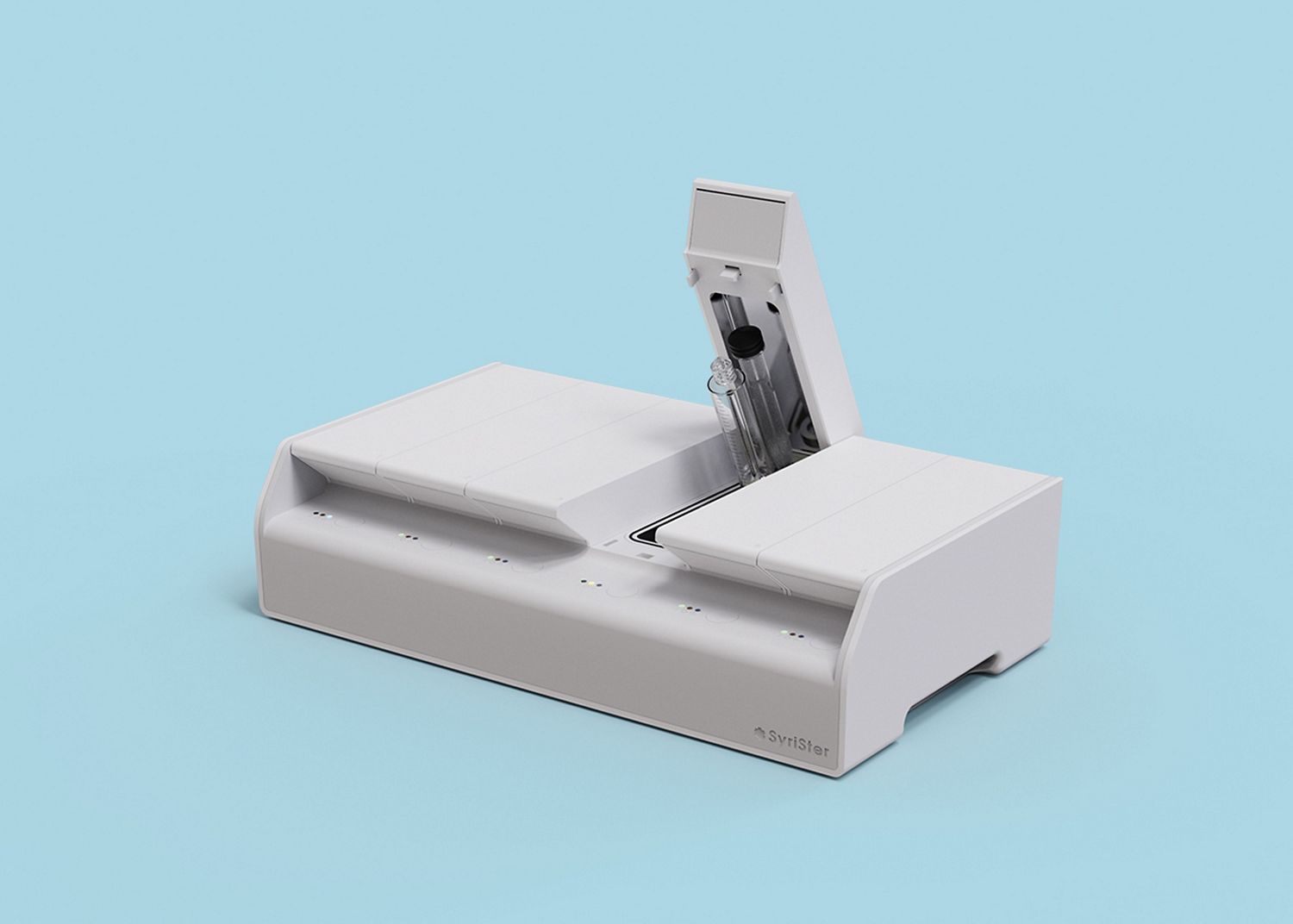
Problem: In crisis zones and developing regions, syringes are often reused due to supply shortages, leading to the spread of life-threatening infections from unsterile equipment.
Solution: SyriSter is a portable UV-C sterilisation device for syringes, enabling safe reuse without consumables, water, or mains power. It sterilises multiple syringes quickly and affordably, reducing infection risks in resource-limited and emergency settings.
Runner-up: Hydromask, a user-centred device to improve emergency eye irrigation.
Runner-up: Flow, a fully recyclable mattress system. -
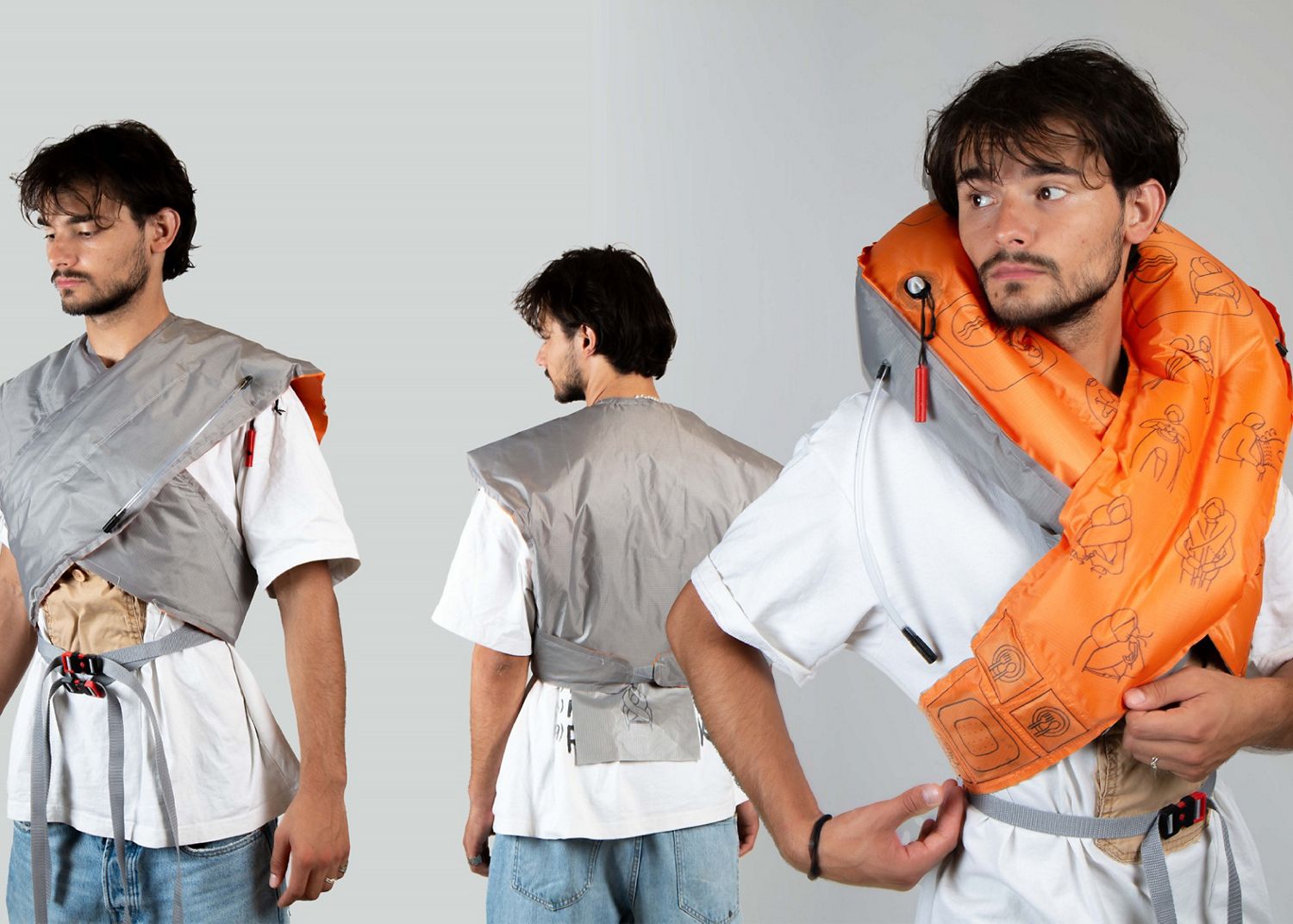
Problem: Refugees often face life-threatening danger during their escape journeys, particularly while crossing bodies of water. Standard life jackets are costly, not multifunctional, and often do not fit all body types.
Solution: VITAPACK is an affordable, adjustable, and inflatable life vest designed for refugees. It is easy to use, highly visible or camouflaged, and can serve as a sleeping mat, warm layer, or backpack.
Runner-up: hearow, a navigation app for individuals with visual impairments.
Runner-up: Sprout, a school activity table for nutrition education.
-
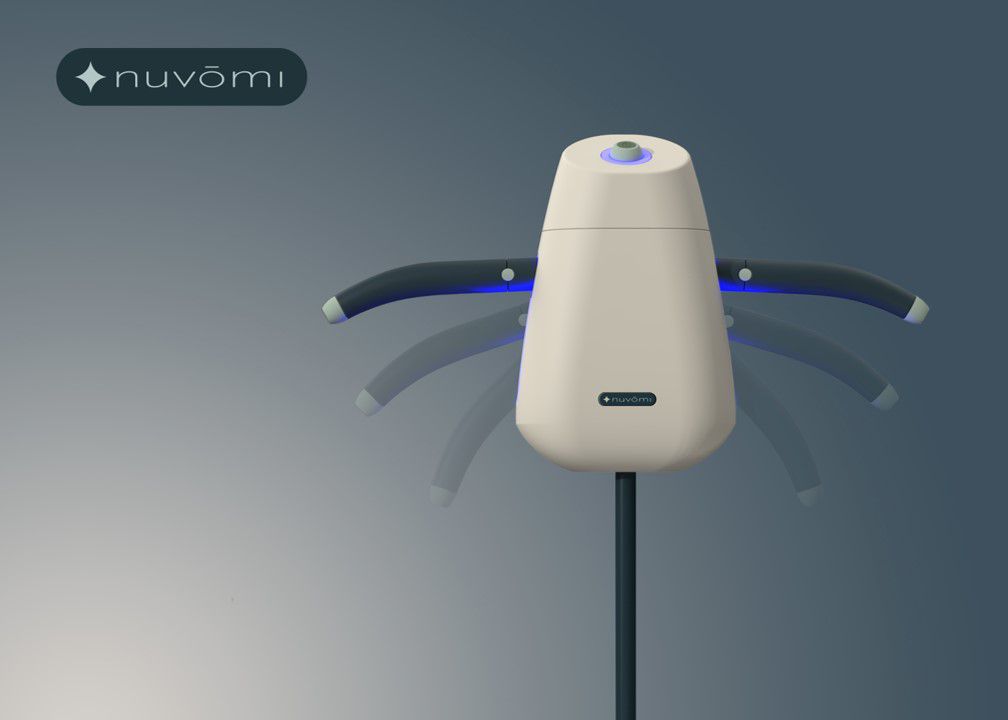
Problem: Lightly worn clothes are often washed unnecessarily, causing fabric wear, resource waste, and increased environmental impact.
Solution: nuvomi is a compact, eco-friendly device that refreshes clothes without water or detergent using warm air, essential oils, and UV-C light. This extends garment life, saves resources, and seamlessly fits into daily routines.
Runner-up: Revi, a reusable packaging system for suture kits to reduce waste.
Runner-up: Unstoppable, a pair of menstrual shorts helping young athletes manage their cycles.
-
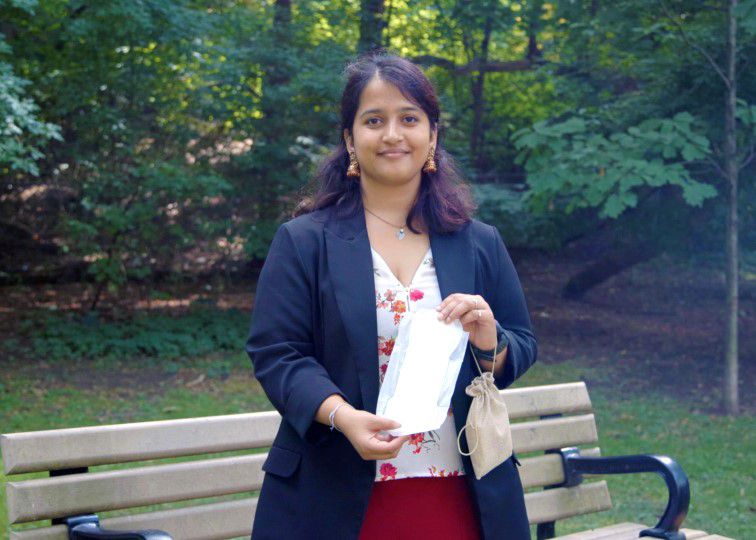
Problem: Traditional menstrual pads rely on plastics and synthetic materials, contributing to pollution and limiting access to safe, truly sustainable period care.
Solution: Aruna offers a high-performance, fully compostable menstrual pad made from agricultural by-products and innovative fibre technology. It eliminates plastic waste and harmful chemicals, delivering superior comfort, safety, and environmental benefits while combating period stigma.
Runner-up: FLARE, a low-cost early wildfire detection sensor.
Runner-up: Hearo, a smart wearable device to gently alert individuals with hearing impairments to important sounds.
-
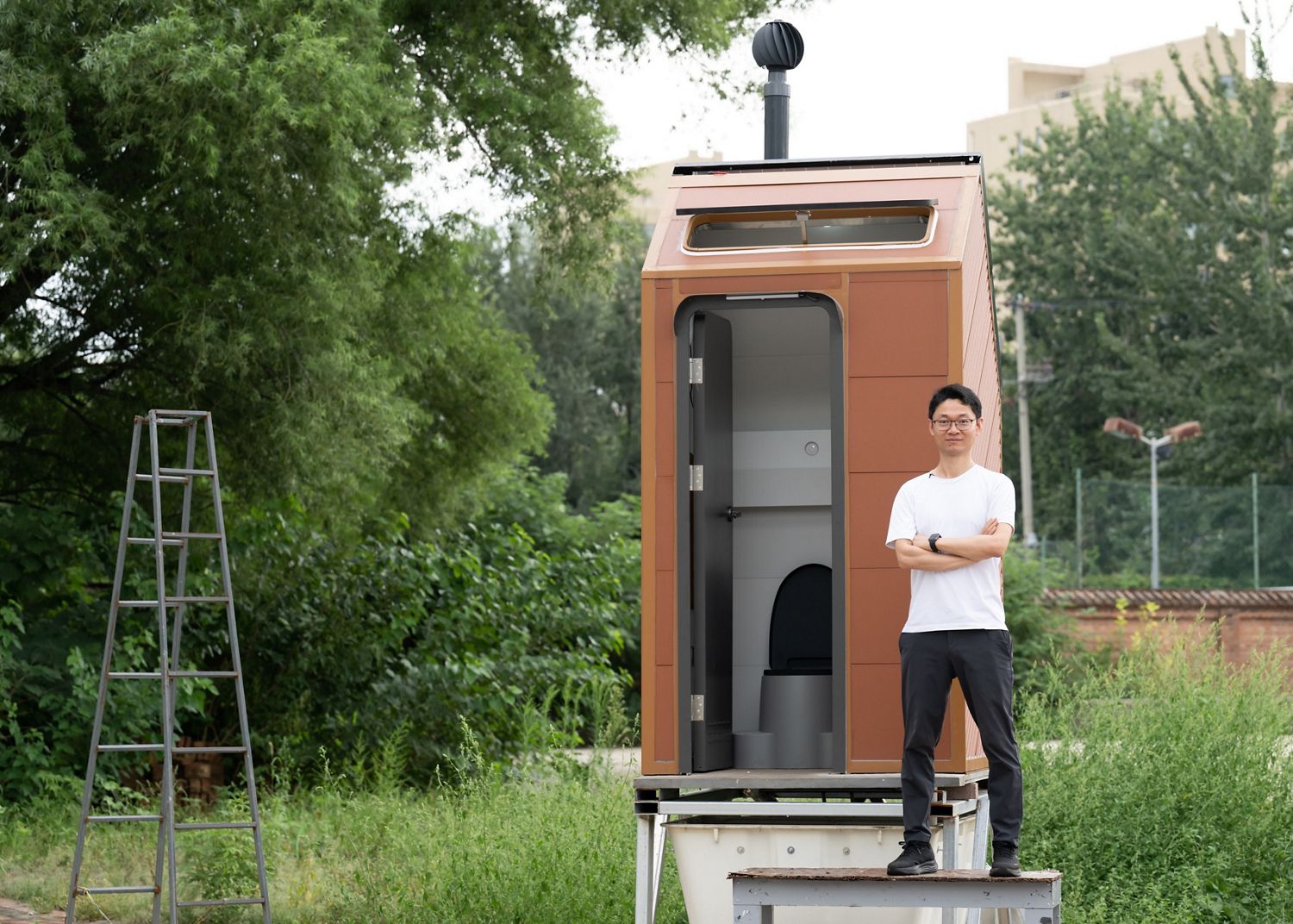
Problem: Cold and arid regions without sewer networks lack affordable, hygienic toilets, leading to poor public health, environmental risks, and low adoption of sanitation solutions.
Solution: Pureco is a low-cost, waterless composting toilet system that separates and processes waste using solar and wind energy. Designed for cold climates, it eliminates the need for sewers or water, prevents freezing, controls odours, and transforms waste into valuable fertiliser.
Runner-up: 3D Pharma Printing, an AI-powered 3D printing system to create precise, personalised medicines.
Runner-up: ScolioDetect, a wearable sensor system for scoliosis detection.
-
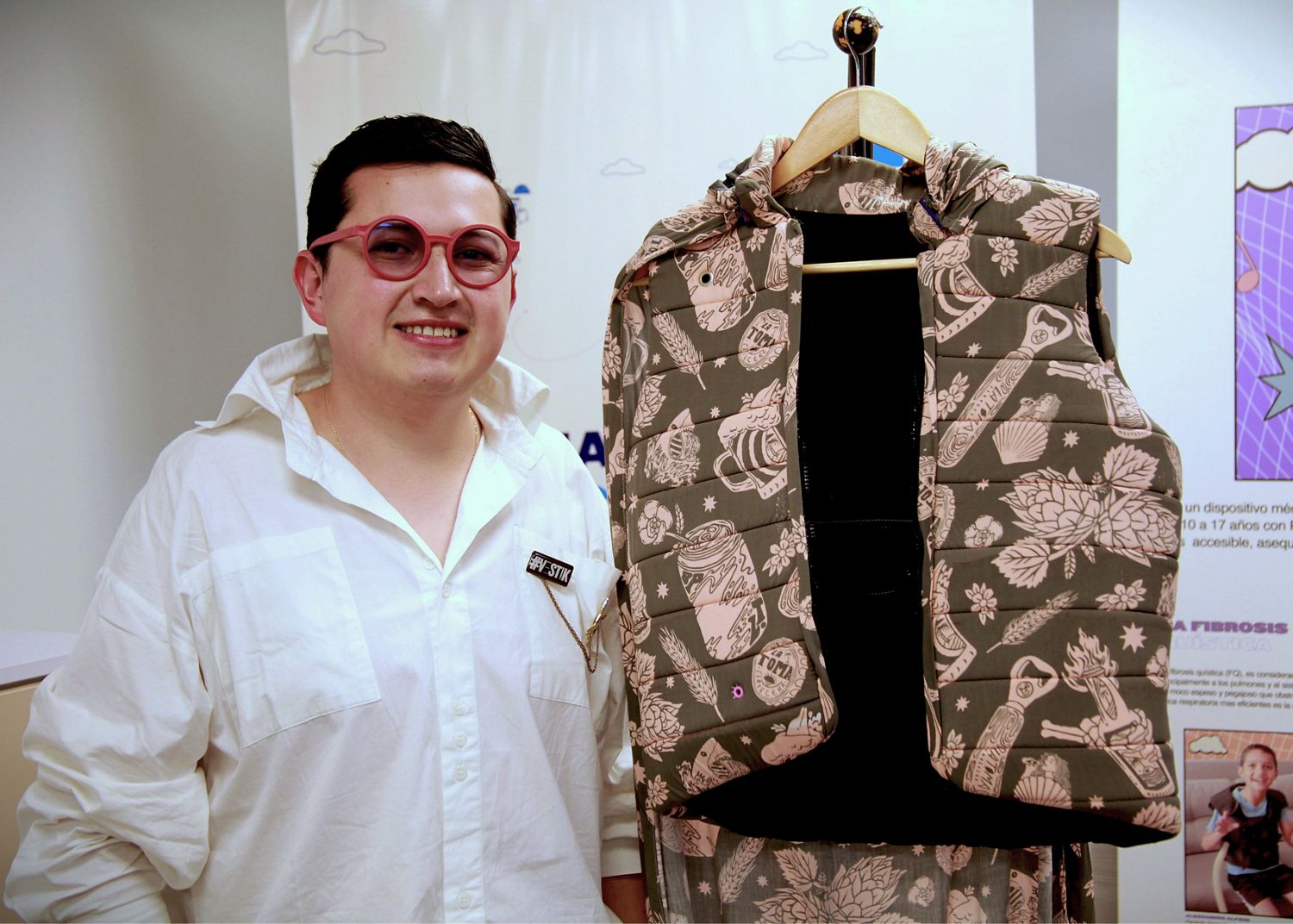
Problem: Young individuals with cystic fibrosis rely on bulky, expensive hospital equipment for daily respiratory therapy, which limits mobility, independence, and emotional comfort.
Solution: VesTik is a portable, affordable therapy vest that enables independent chest therapy at home. It uses music-driven vibrations to make treatment engaging and stigma-free, adapts as the child grows, and is made from sustainable materials – democratising respiratory care for all young patients.
Runner-up: Ophthalmic Surgery Training Device, an eye surgery simulator for training ophthalmology students and junior doctors.
Runner-up: Océanos de Luz, an energy generator using metal ionisation in seawater.
-
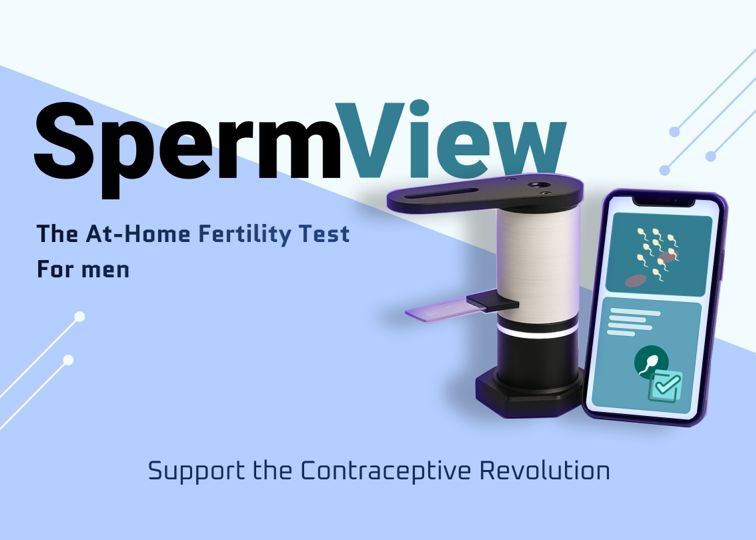
Problem: Sperm analysis is often expensive, inaccessible, and not designed for regular use – making it difficult for men to reliably monitor fertility, especially when using new male contraceptive methods.
Solution: SpermView is an affordable, AI-powered at-home fertility test. It uses a miniature camera and a smartphone app to provide accurate, repeatable sperm analysis, empowering men to track their fertility easily and support wider adoption of male contraception.
Runner-up: Miscanterra, insulation panels made from miscanthus and natural binders.
Runner-up: Wire roller, a construction device to prevent injuries from wire handling.
-
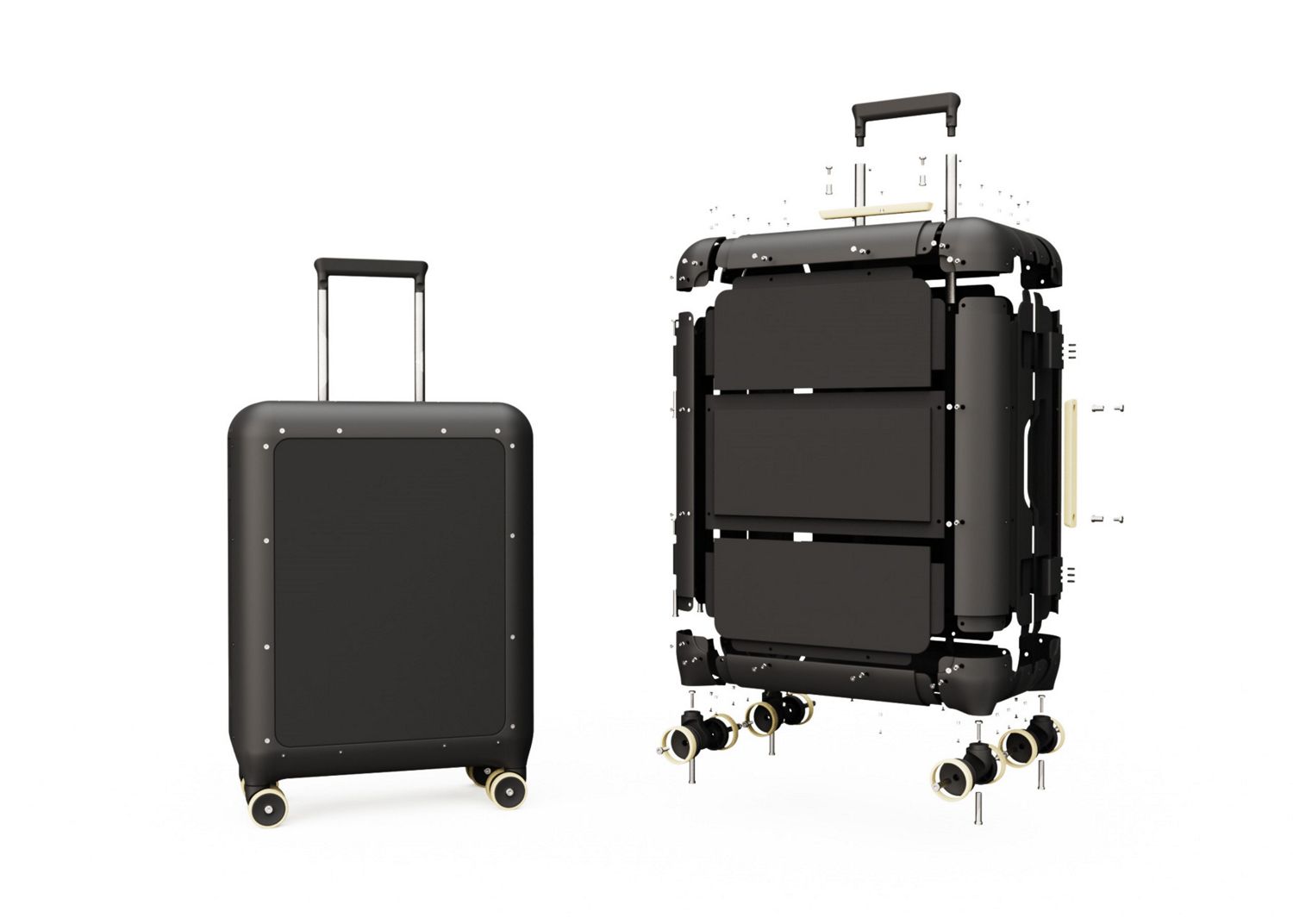
Problem: Most luggage is built from complex, mixed materials that are hard to repair or recycle, leading to waste and planned obsolescence.
Solution: ENSO is a modular suitcase system made from just three fully separable, recyclable materials. Designed for easy repair, component replacement, and end-of-life recycling, it offers a truly circular, responsible alternative to conventional luggage.
Runner-up: L.O.O., a modular, mobile toilet system powered by solar panels and featuring an electrolysis-based closed water cycle.
Runner-up: NXTDNT, a hands-free oral care system for individuals with limited motor abilities.
-
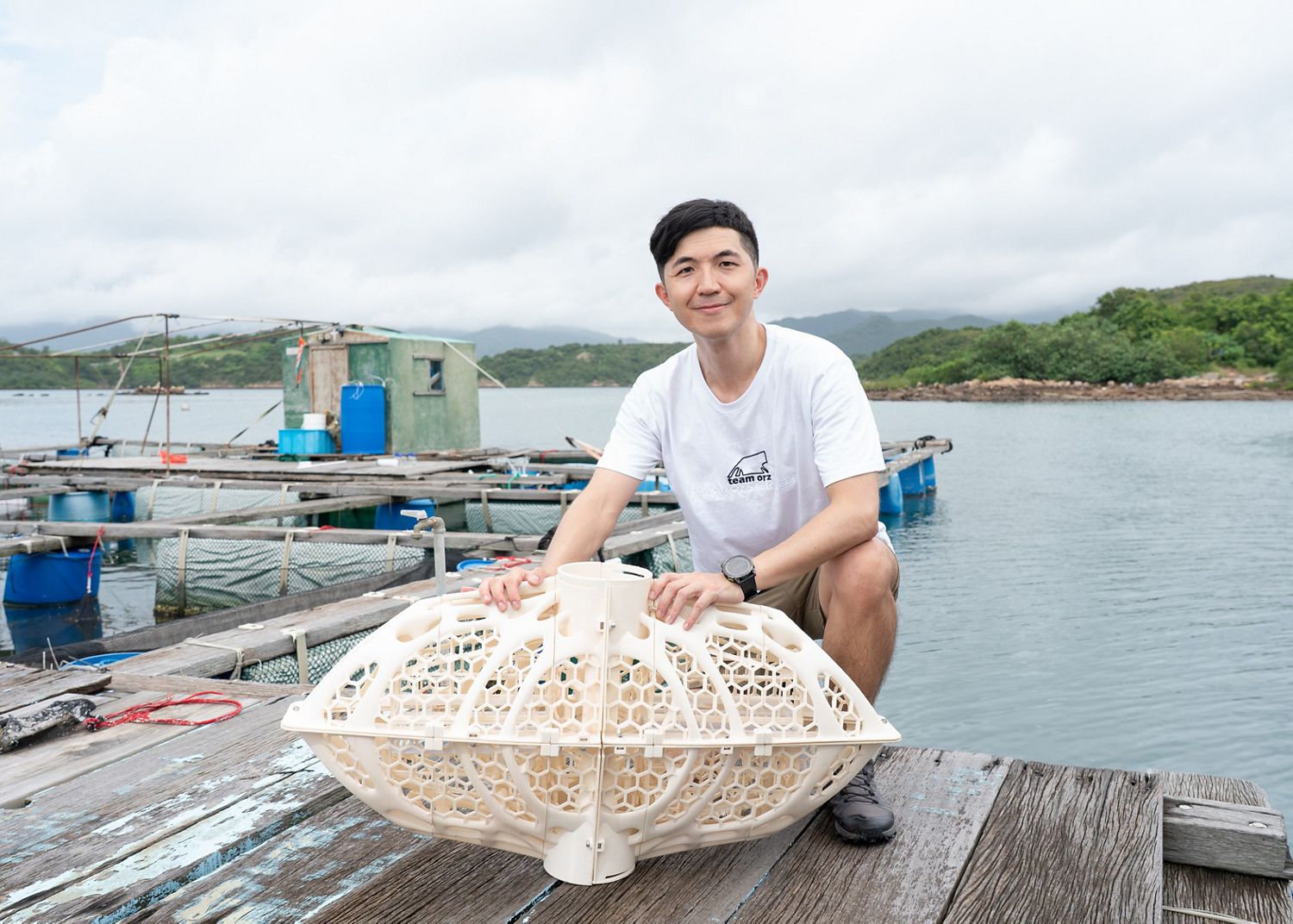
Problem: More than 85% of oyster reefs have been lost due to human activity, reducing marine biodiversity, water filtration, and coastal protection, while many artificial reefs risk contributing to microplastic pollution.
Solution: Reef of Hope is a modular artificial reef that’s 3D printed from safe, biodegradable materials and recycled oyster shells. Its special shape improves water flow and provides the best surfaces for oysters and other sea life to grow. This helps restore marine habitats and supports healthy, clean coastal ecosystems.
-
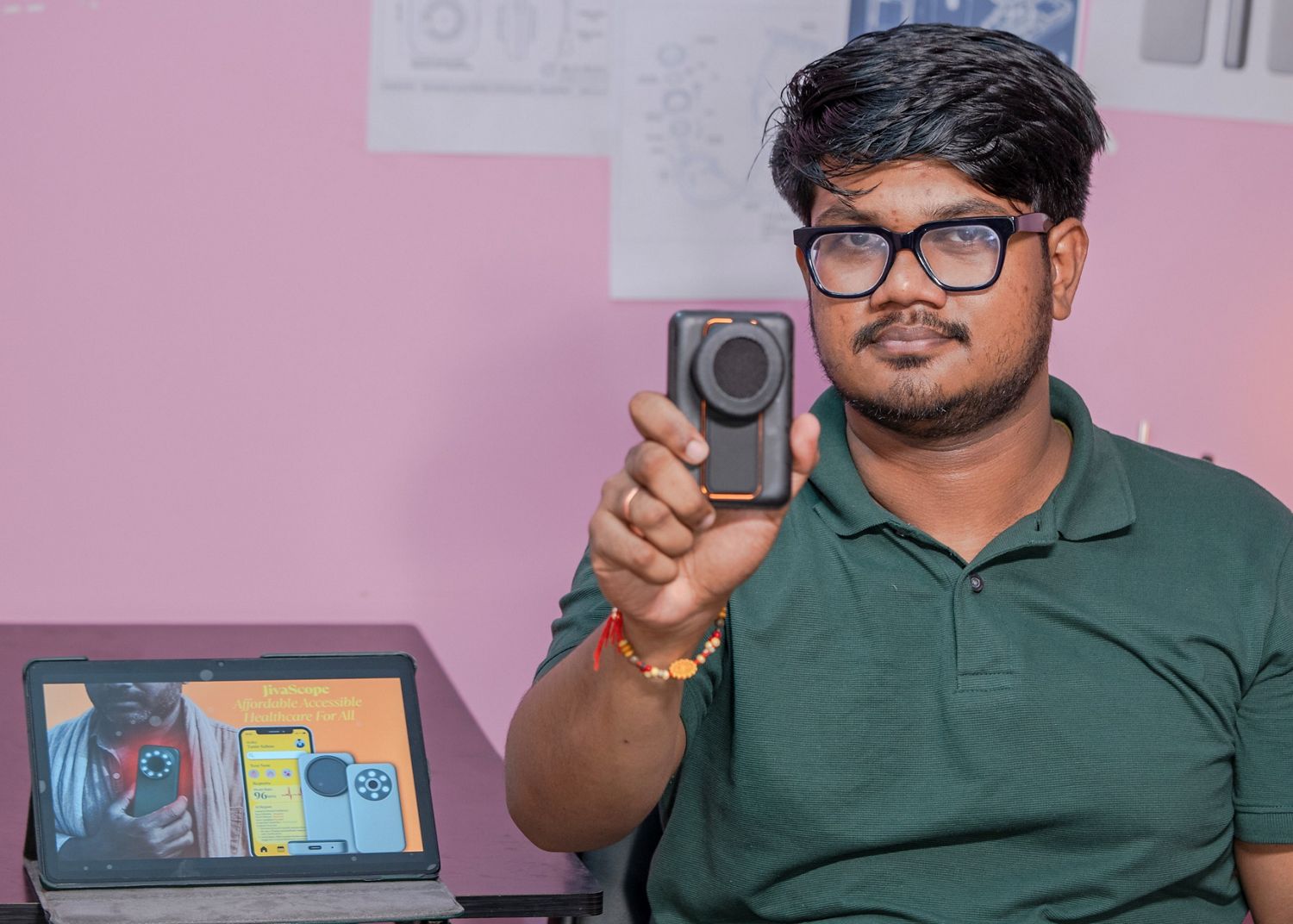
Problem: Rural and low-resource communities lack access to reliable, affordable tools for early diagnosis of heart and lung diseases, leading to delayed care and higher mortality.
Solution: JivaScope is a pocket-sized, AI-powered device that enables anyone to self-screen for heart and lung diseases in minutes - bringing clinical-grade diagnostics to rural and low-resource settings.
Runner-up: OncoALERT, a rapid, needle-free, paper-based nanotech device for oral cancer screening.
Runner-up: Thirdeye, an AI-powered assistive device for visually impaired individuals.
-
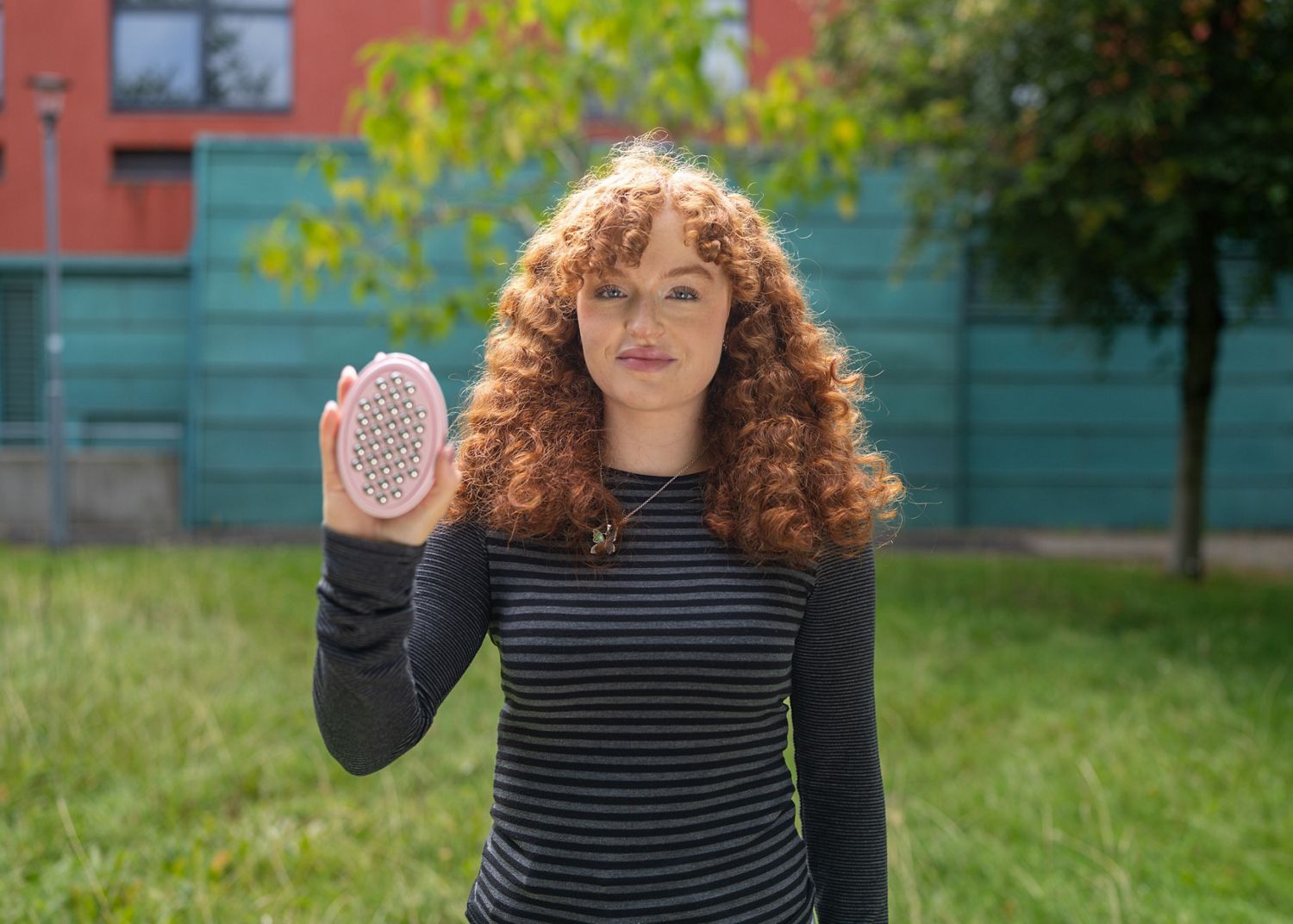
Problem: Patients recovering from breast cancer surgery are at high risk of lymphoedema, but access to professional manual lymphatic drainage (MLD) is limited, and self-treatment techniques are difficult to learn safely.
Solution: Lymphia is a handheld device with a pressure sensor and real-time feedback that teaches patients proper self-lymphatic drainage. It guides users with an app, making MLD accessible, effective, and confidence-building for post-surgery recovery and lymphoedema prevention.
Runner-up: Elithiya, a gentle balloon-assisted IUD inserter paired with a companion app.
Runner-up: Gotcha, an assistive device for individuals with limited hand or arm mobility to open makeup products independently.
-
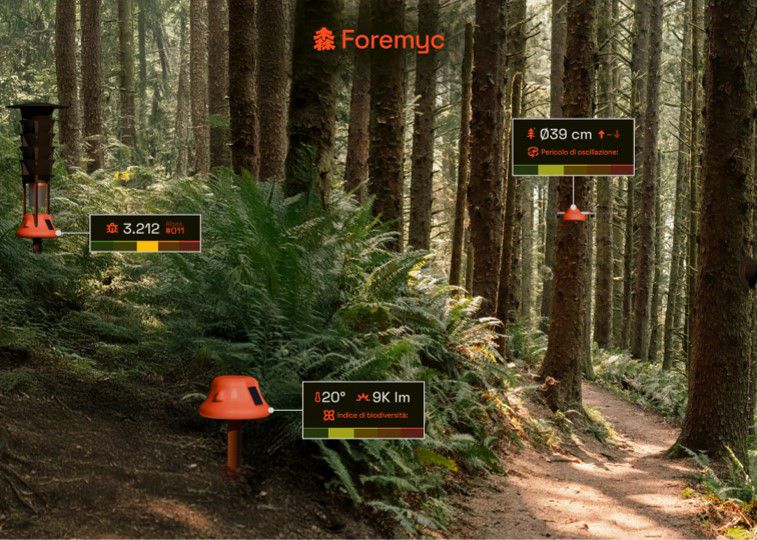
Problem: Alpine forests face increasing threats from droughts and invasive insects, but current monitoring tools are outdated, making it hard to manage rapidly changing environments and protect fragile ecosystems.
Solution: Foremyc is an integrated network of sensors that continuously monitors soil, tree health, and invasive insects. By creating a real-time digital twin of the forest, it empowers predictive, data-driven management and strengthens climate resilience in vulnerable alpine environments.
Runner-up: Nivor, a universal avalanche airbag system that inflates with breathable air.
Runner-up: Halia, a sustainable and therapeutic asthma care system.
-
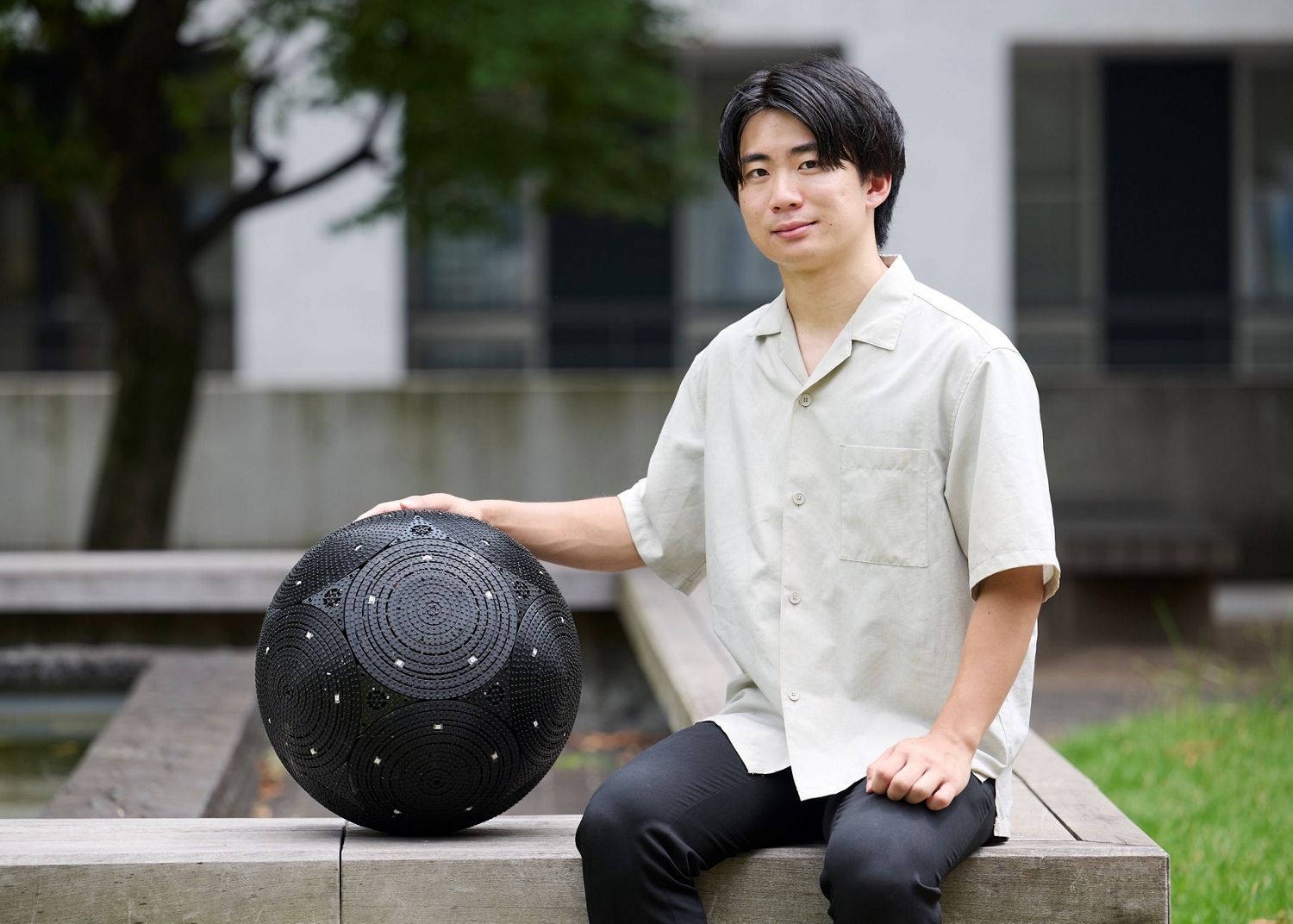
Problem: Traditional wheeled and legged robots struggle with mobility and control in rough or unpredictable terrain, limiting their usefulness for disaster response or exploration.
Solution: Sphebot is a robust, sphere-shaped robot that achieves precise, omnidirectional movement by actively lifting its outer panels with an internal screw mechanism. Its unique design combines the adaptability of legs with the simplicity of a rolling sphere, making it ideal for navigating challenging environments.
Runner-up: ERF (Electro-Repulsive-Force), a sensor to help robotic hands handle delicate objects without breaking them.
Runner-up: FAYRA, a robotic arm for wheelchair-mounted assistive use.
-
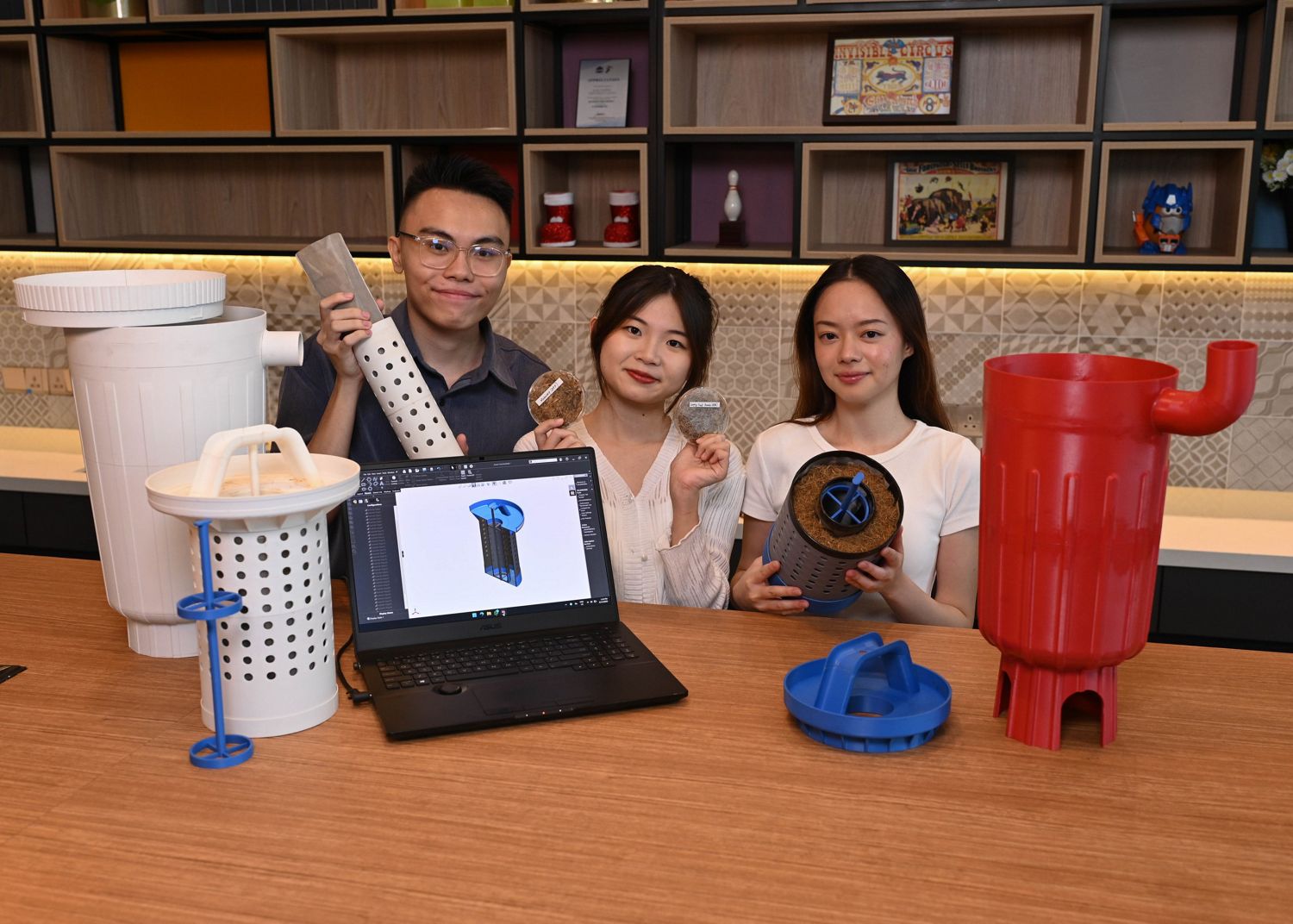
Problem: Improper disposal of kitchen fats, oils, and grease (FOG) clogs pipes, causes pollution, and strains sewage systems – issues especially problematic in households with low-flow drainage.
Solution: UNBLOK is a biodegradable FOG filter made from palm oil waste. Installed in sinks, it efficiently traps FOG before it enters the pipes, prevents blockages, and can be composted or used as biofuel, supporting a zero-waste kitchen routine.
Runner-up: Ecliptica, a tactile and audio tool for visually impaired students to explore solar and lunar eclipses.
Runner-up: FMAS, a low-cost, self-powered flood alert and rescue system.
-
Problem: Access to retinal disease screening is limited in low-resource areas due to cost, lack of connectivity, and the need for specialists or expensive equipment.
Solution: OpticalApp is a mobile app that uses AI to diagnose 28 retinal diseases and healthy eyes from a single image, all offline and in under 30 seconds. It works on basic smartphones with a low-cost lens adapter, supporting multiple languages and bringing accessible eye care to underserved communities.
Runner-up: LifeCore, an efficient and affordable solution for transporting hearts for transplant.
Runner-up: Rho, a reusable menstrual garment for women experiencing period poverty.
-
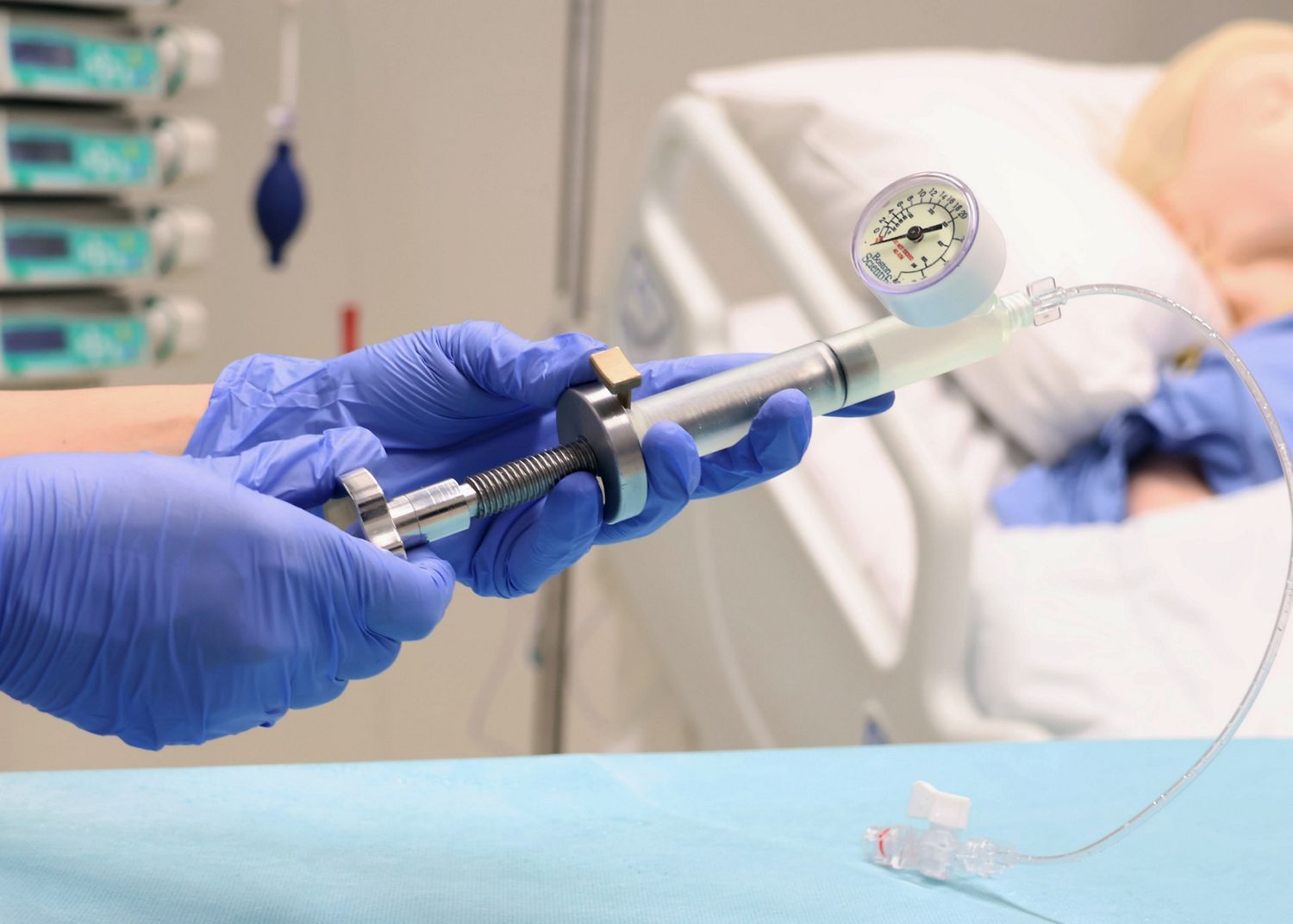
Problem: During some blood vessel procedures, doctors use endovascular inflators to inflate tiny balloons which help open blockages or place medical implants. These devices are usually single-use, producing significant medical waste.
Solution: POMPA is a partially reusable inflator for endovascular procedures, featuring a design that allows key components to be easily disassembled, cleaned, and sterilised for up to 1,000 uses. This significantly reduces both the environmental footprint and costs compared to conventional single-use devices.
Runner-up: OnCue, an adaptive keyboard with haptic wristbands for people living with Parkinson’s.
Runner-up: CropKit, a modular, open-source electric micro-tractor platform co-designed with farmers.
-
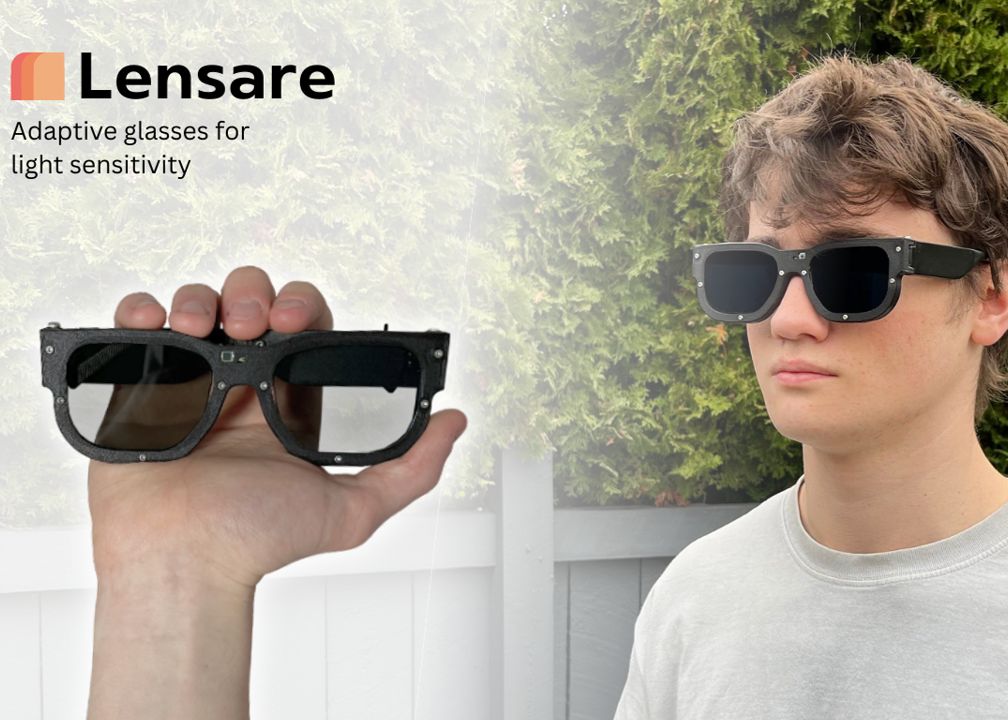
Problem: People with photosensitive epilepsy or photophobia are at risk of seizures or migraines triggered by certain light patterns, and existing glasses offer only passive, insufficient protection.
Solution: Lensare are smart glasses that use built-in sensors and a custom algorithm to detect harmful light and instantly darken LCD lenses within milliseconds. This provides active, real-time protection against light-triggered seizures and migraines, enhancing safety for sensitive users.
Runner-up: Foresight, a tech-integrated and tree-mounted fruit-measuring device.
Runner-up: Asmaan One, a portable autonomous cricket bowling machine.
-
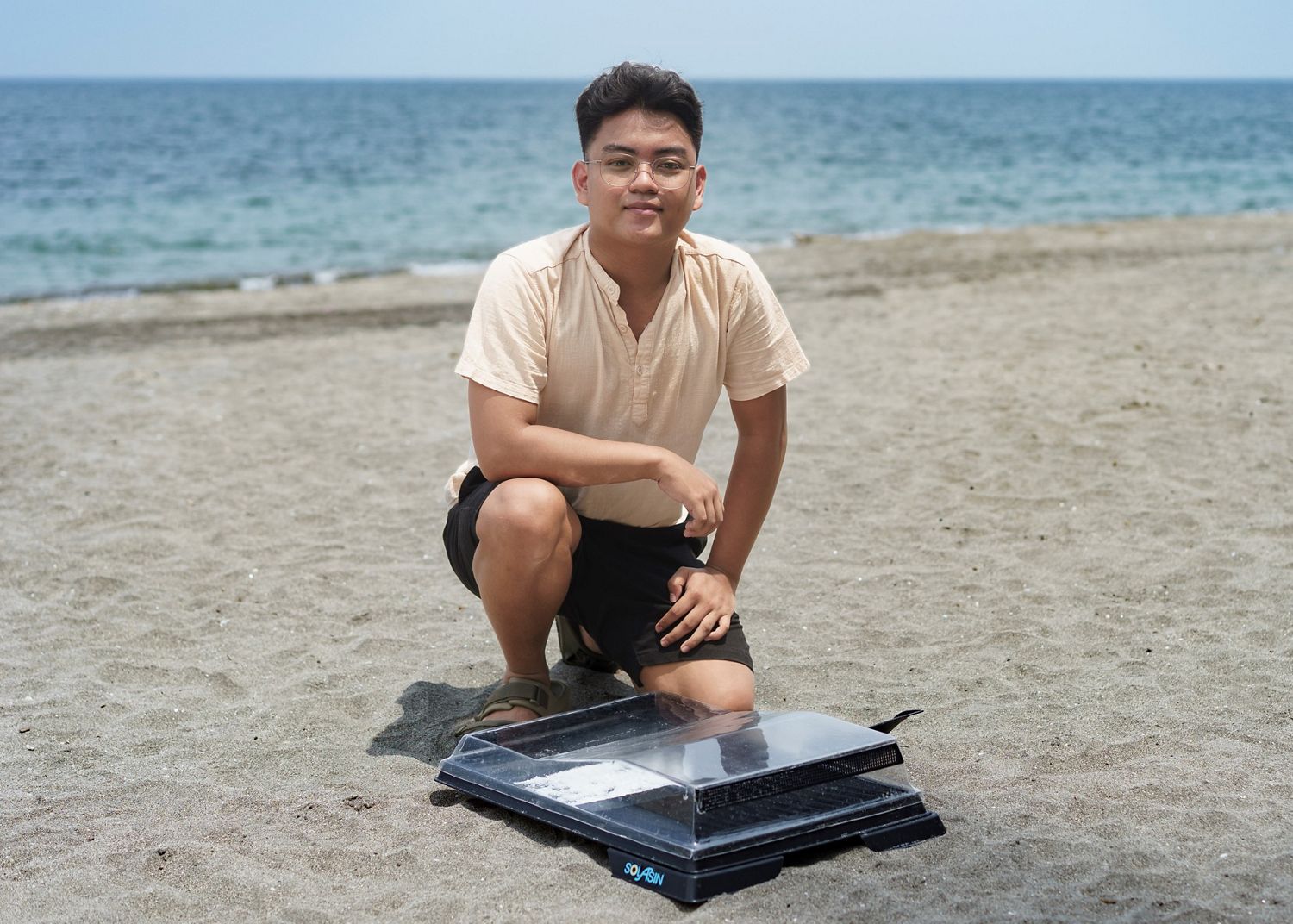
Problem: Coastal poverty and the decline of the Philippine salt industry are driven by limited, unsustainable livelihood options and the high space and cost requirements of traditional salt farming.
Solution: SolAsin is a compact, portable salt farming unit using greenhouse principles and solar absorption to produce high-value flaky salt. It provides coastal communities with an easy, sustainable way to generate income and supports revitalisation of the local salt industry.
Runner-up: Lambooply, a sustainable composite material engineered from bamboo and cattail fibers.
Runner-up: ChillWise, passive, energy-efficient cooling panels for buildings.
-
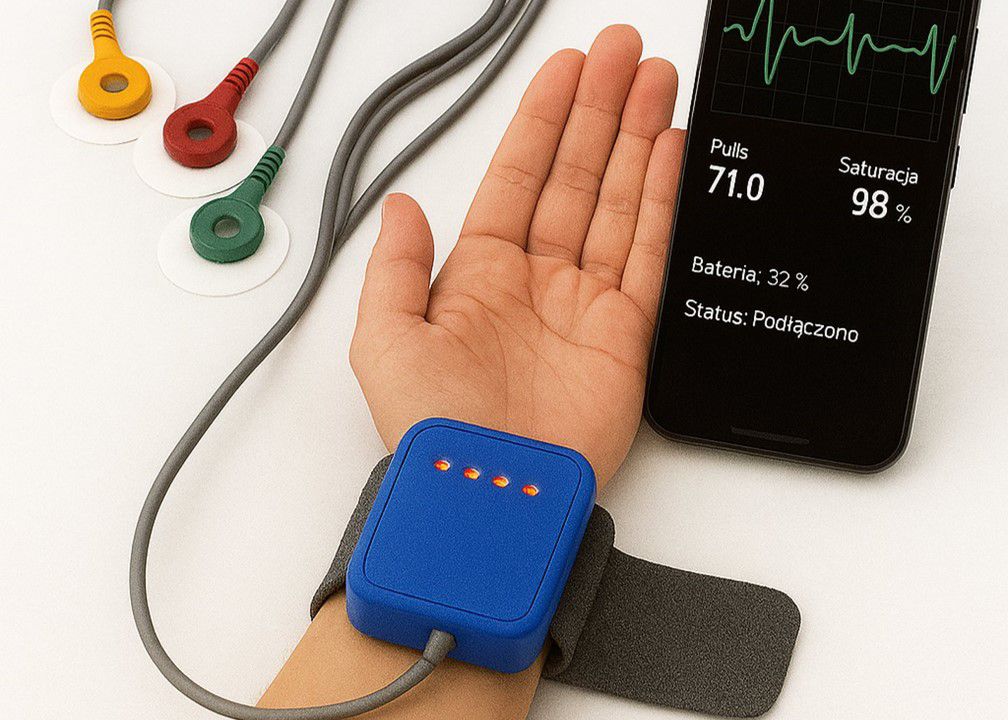
Problem: Traditional triage systems during mass-casualty incidents are static and can miss rapid patient deterioration, creating risk in resource-limited emergency scenarios.
Solution: Smart Triage Tag is a wearable, wireless wristband that monitors vital signs in real time. It transmits alerts and status to a central app, and enables rapid, continuous oversight of multiple patients – improving response and decision-making in emergencies.
Runner-up: WaterSense, an AI-powered water quality monitoring system that uses disposable printed sensors.
Runner-up: Silent box, a compact device placed by the window to cancel noise from outside sources
-
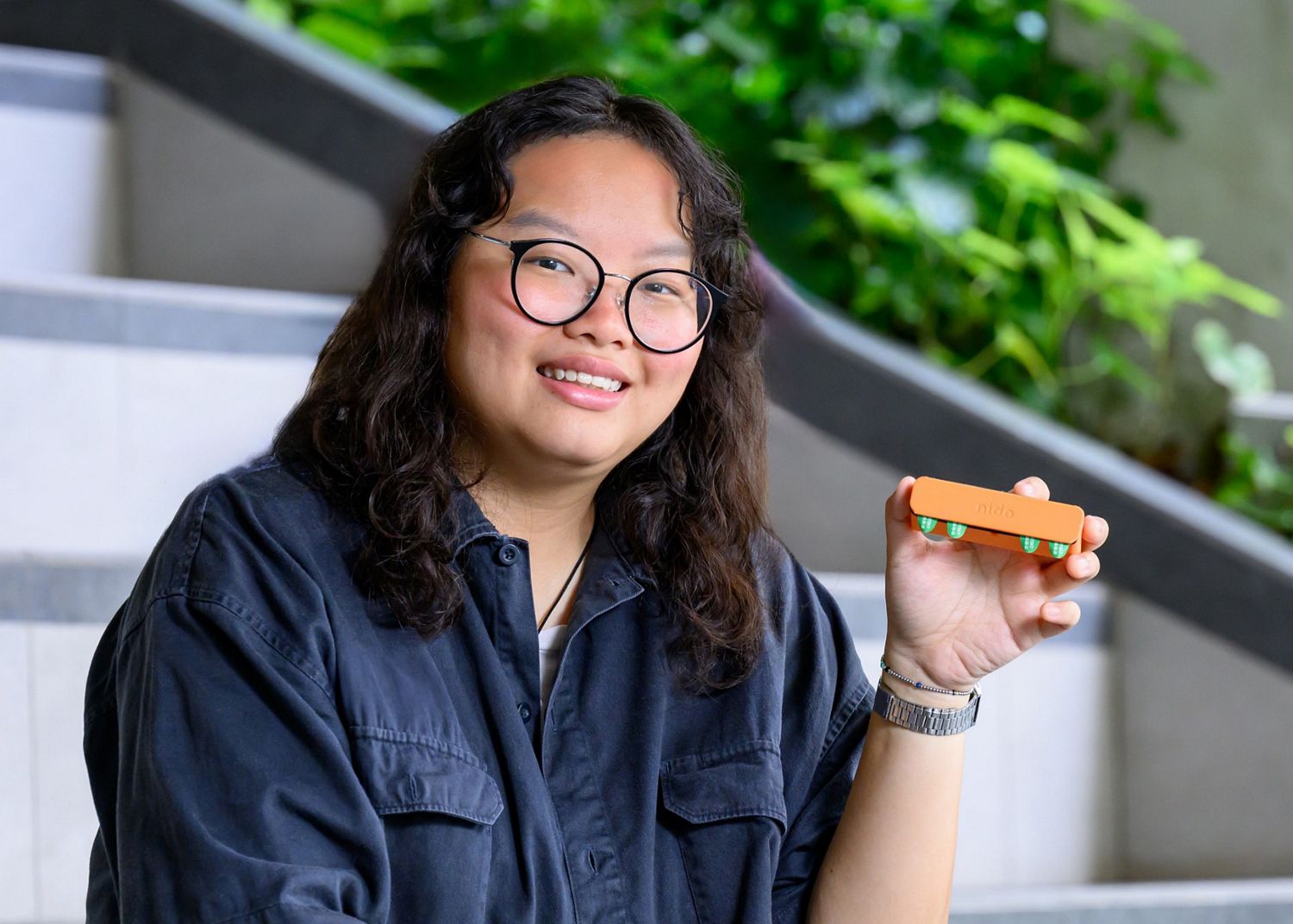
Problem: People with Type 1 diabetes face daily stress and hygiene risks due to disorganised, unsafe storage and handling of insulin needles during multiple daily injections.
Solution: nido is a compact, portable holder that securely stores, dispenses, and disposes of insulin needles with one hand. Its user-driven design streamlines the injection process, enhancing safety, comfort, and organisation for people managing diabetes.
Runner-up: Chhavi, a compact, self-use cervical cancer screening kit.
Runner-up: Noda, a turgid joint system for rapid building of temporary, adaptive emergency structures.
-
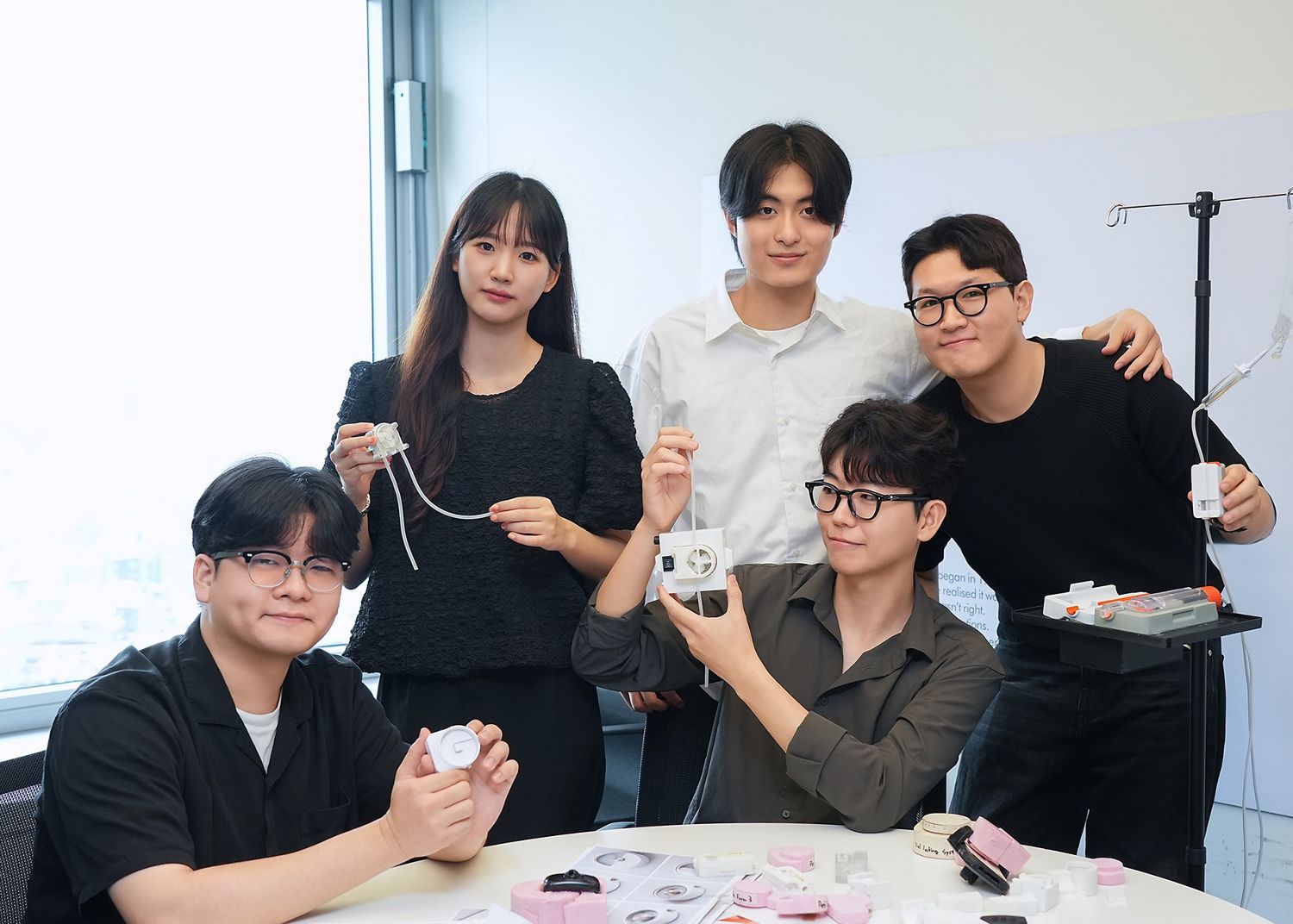
Problem: Blood backflow during IV infusions increases patient risk and burdens nursing staff, as it can go unnoticed and complicate care – especially when patients are unattended.
Solution: Ventri is an IV tubing attachment that continuously monitors fluid flow and automatically blocks backflow as soon as it’s detected. Integrating seamlessly with existing systems, it enhances patient safety and reduces workload for healthcare workers.
Runner-up: Blloom, an insulated injection device that allows patients to safely self-administer fertility medication.
Runner-up: O2Stick, a compact, power-free oxygen generator for emergencies.
-
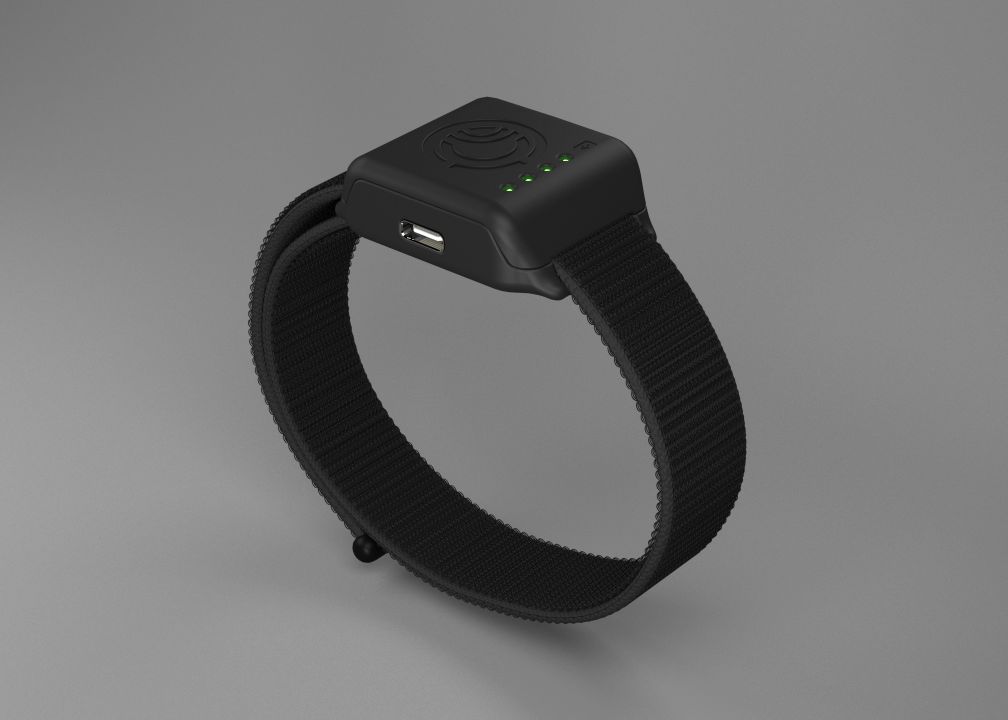
Problem: Upper-limb prosthesis users lack real-time sensory feedback, complicating precise grip, motor control, and daily tasks.
Solution: Haptika is a modular, non-invasive system combining a pressure-sensing glove and wireless haptic armband. It intuitively conveys touch and grip force via vibrations, enhancing control, safety, and functional independence for prosthesis users.
Runner-up: BLUST, a solar-powered cooling system to transport blood samples in off-grid African regions.
Runner-up: Inari, a plant-based protector for young olive trees.
-
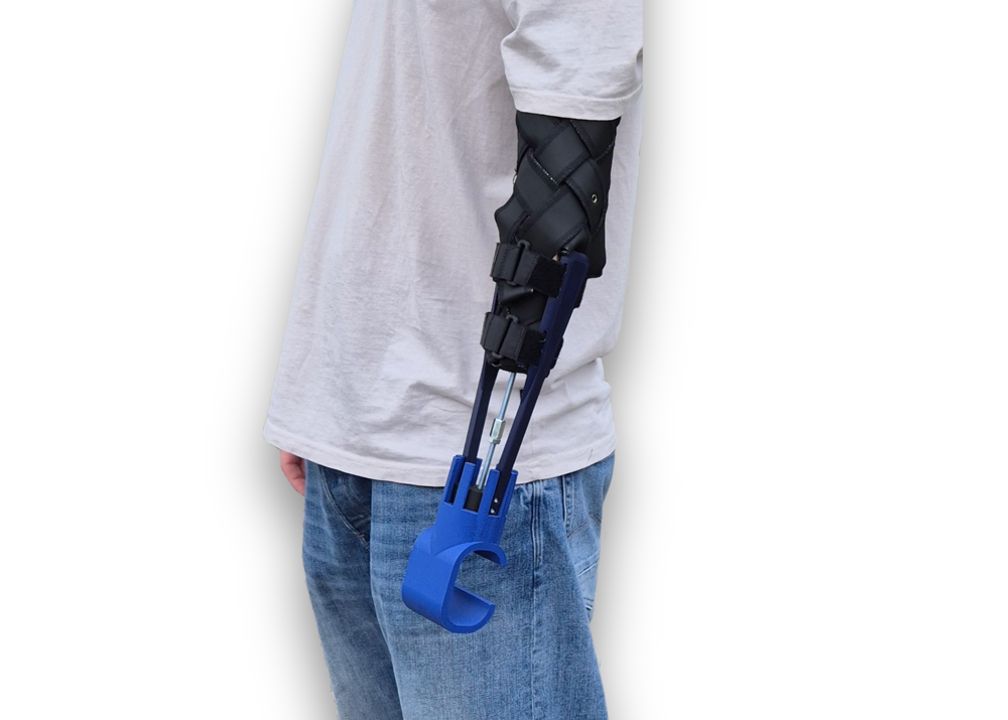
Problem: Millions with upper limb differences lack access to comfortable, affordable, and adaptable prosthetic sockets – especially for active use and in low-resource settings.
Solution: Softletics is a lightweight, self-adjustable prosthetic socket that combines 3D-printed and textile parts with a self-tightening mechanism. Modular, breathable, and clinic-free, it empowers users to achieve comfort and control for sports and daily life.
Runner-up: bloc°, a modular, solar-powered cooling system that uses terracotta and evaporative cooling.
Runner-up: 90° N, a wearable navigation device that provides intuitive, low-power directional guidance via visual signals.
-
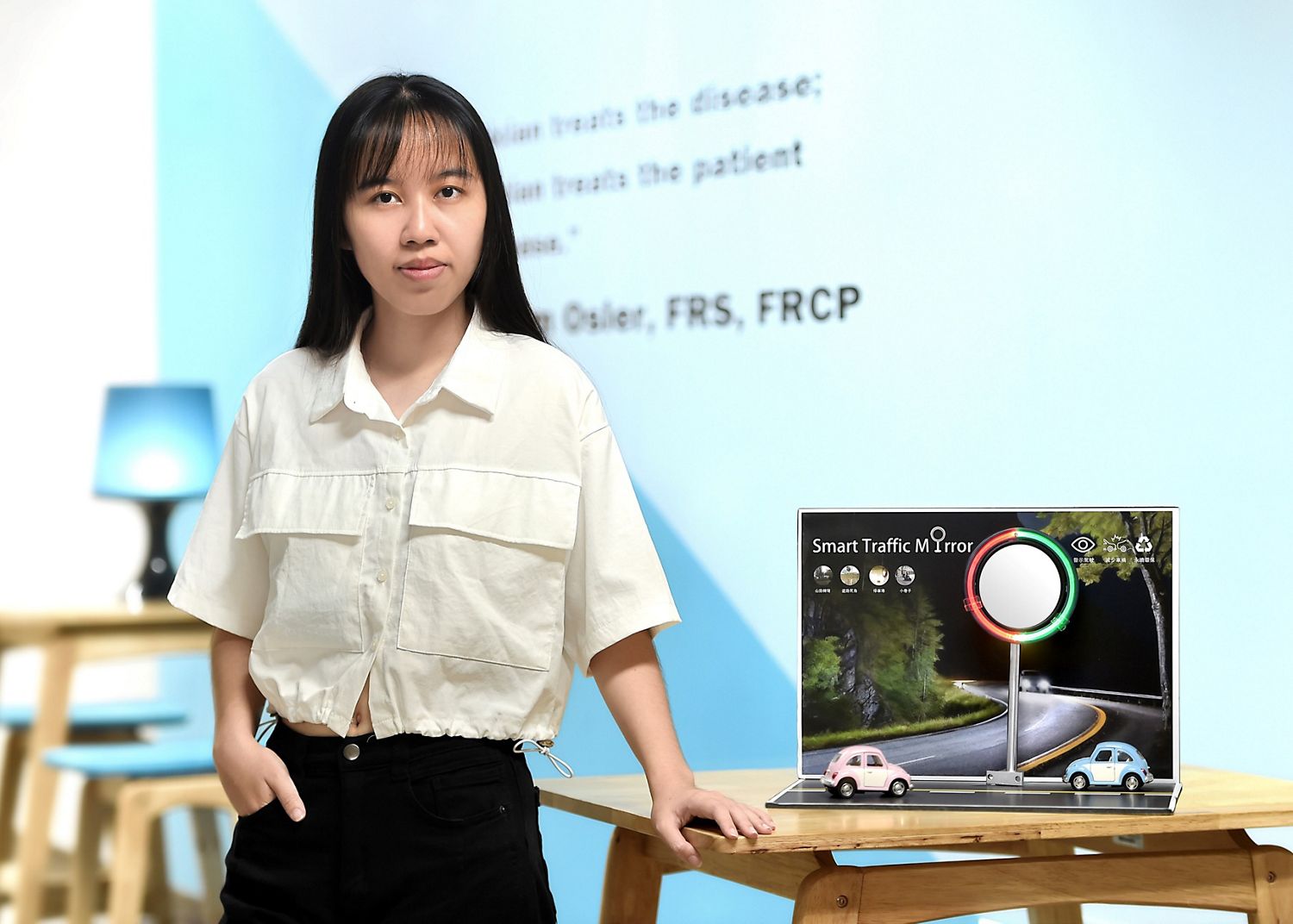
Problem: Traditional convex mirrors at intersections do not provide proactive alerts, leading to frequent accidents from blind spots – especially in low visibility or at night.
Solution: THE THIRD EYE is a smart, AI-powered add-on for traffic mirrors that uses sensors and lights to detect oncoming vehicles and displays green, yellow, or red indicators based on distance. This gives real-time, visual warnings to drivers, enhancing road safety and reducing blind spot accidents.
Runner-up: TrachCare, a tracheostomy blockage and leakage alert device.
Runner-up: SoilRevive, an AI-driven bioremediation station for heavy metal pollution.
-
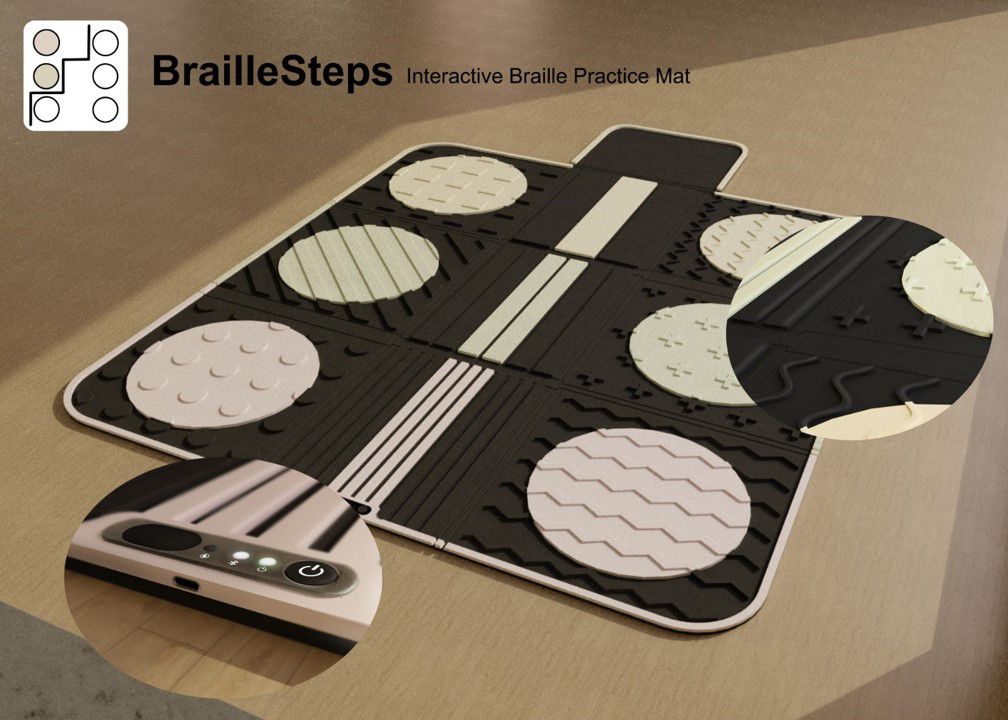
Problem: Visually impaired children often lack confidence in movement and find Braille learning slow, static, and disengaging, limiting literacy and independence.
Solution: BrailleSteps is an interactive, multisensory mat that teaches Braille through kinaesthetic movement, tactile feedback, and real-time audio cues. By involving the whole body, it builds literacy, confidence, and engagement, making Braille learning fun and accessible.
Runner-up: Rosy Shield, a nature-inspired pod system that deploys from aircraft for efficient wildfire control.
Runner-up: Pifilt, a pipe filter system installed under sinks to capture, filter, and store used water for reuse.
-
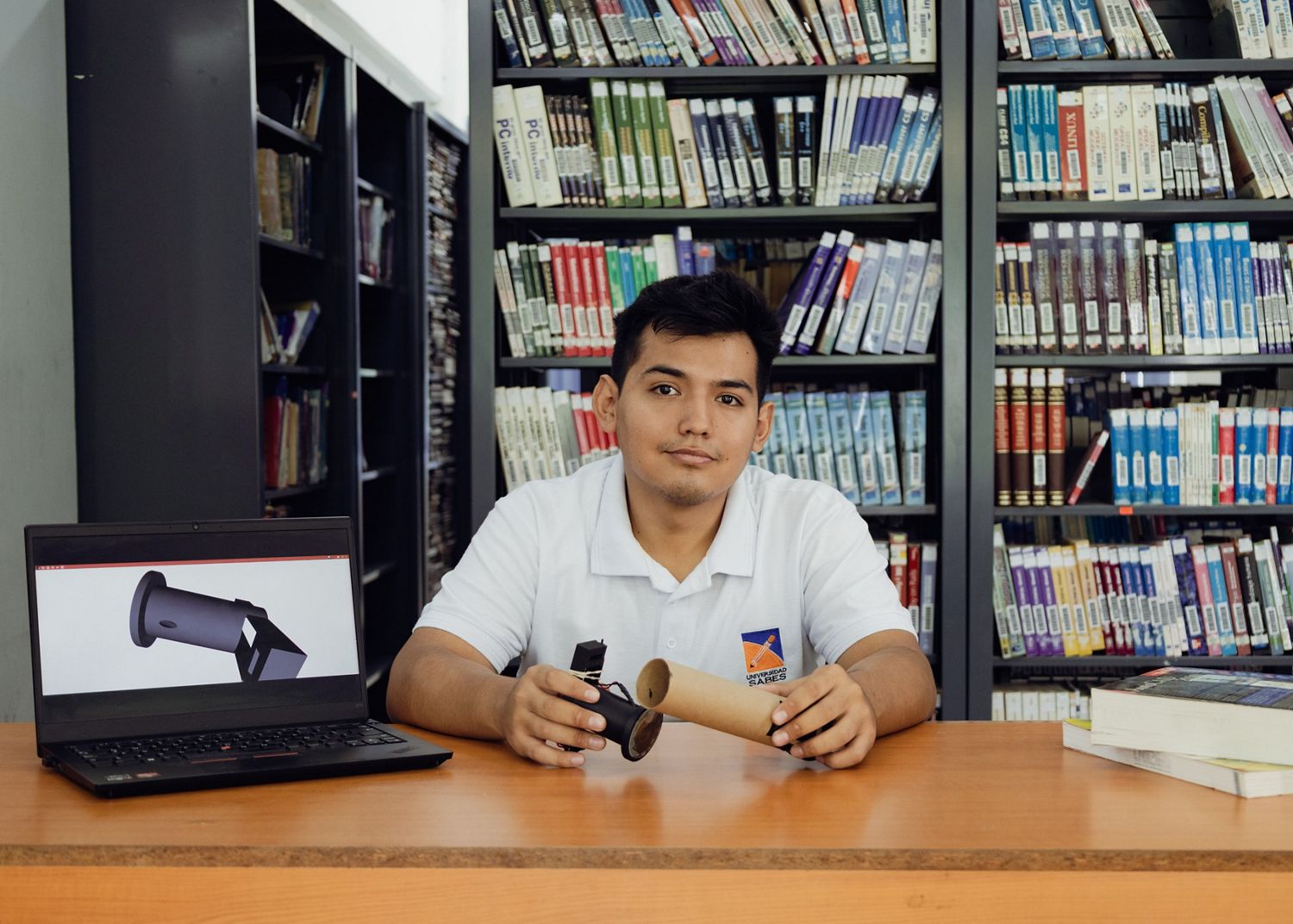
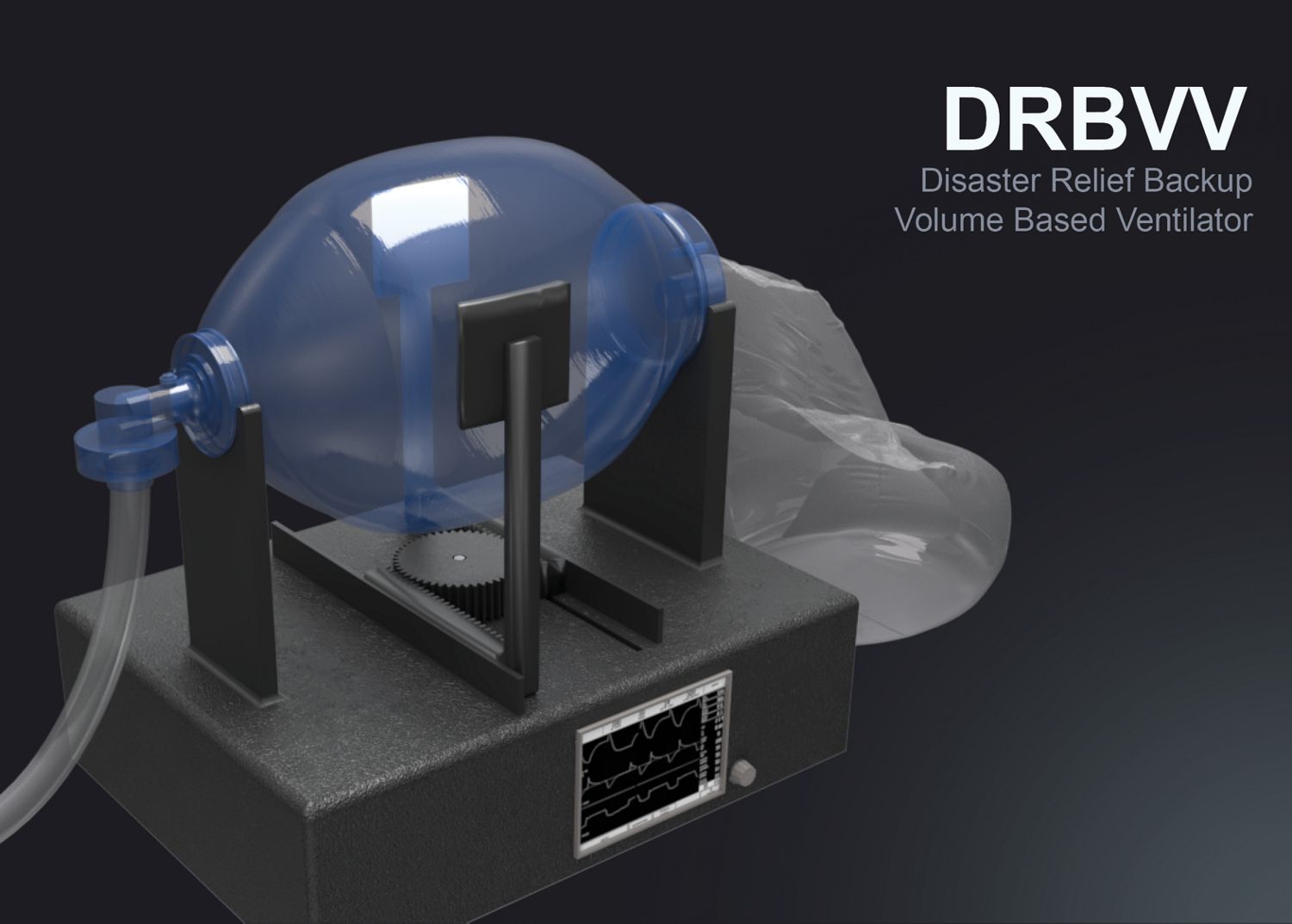
Problem: During health crises, like the COVID-19 pandemic, hospitals often face shortages of affordable, functional ventilators for emergency and low-resource settings.
Solution: DRBVV is a portable, volume-based emergency ventilator that compresses an Ambu bag to deliver controlled breaths, with adjustable settings via touchscreen or knob. Both a DIY breadboard version and a scalable PCB design are available, supporting low-cost, flexible deployment for disaster relief and rural clinics.
Runner-up: Sakhi, a community-powered app to help users locate period-friendly public washrooms.
Runner-up: KALAM, a speech recognition system for the Arabic non-verbal community.
-
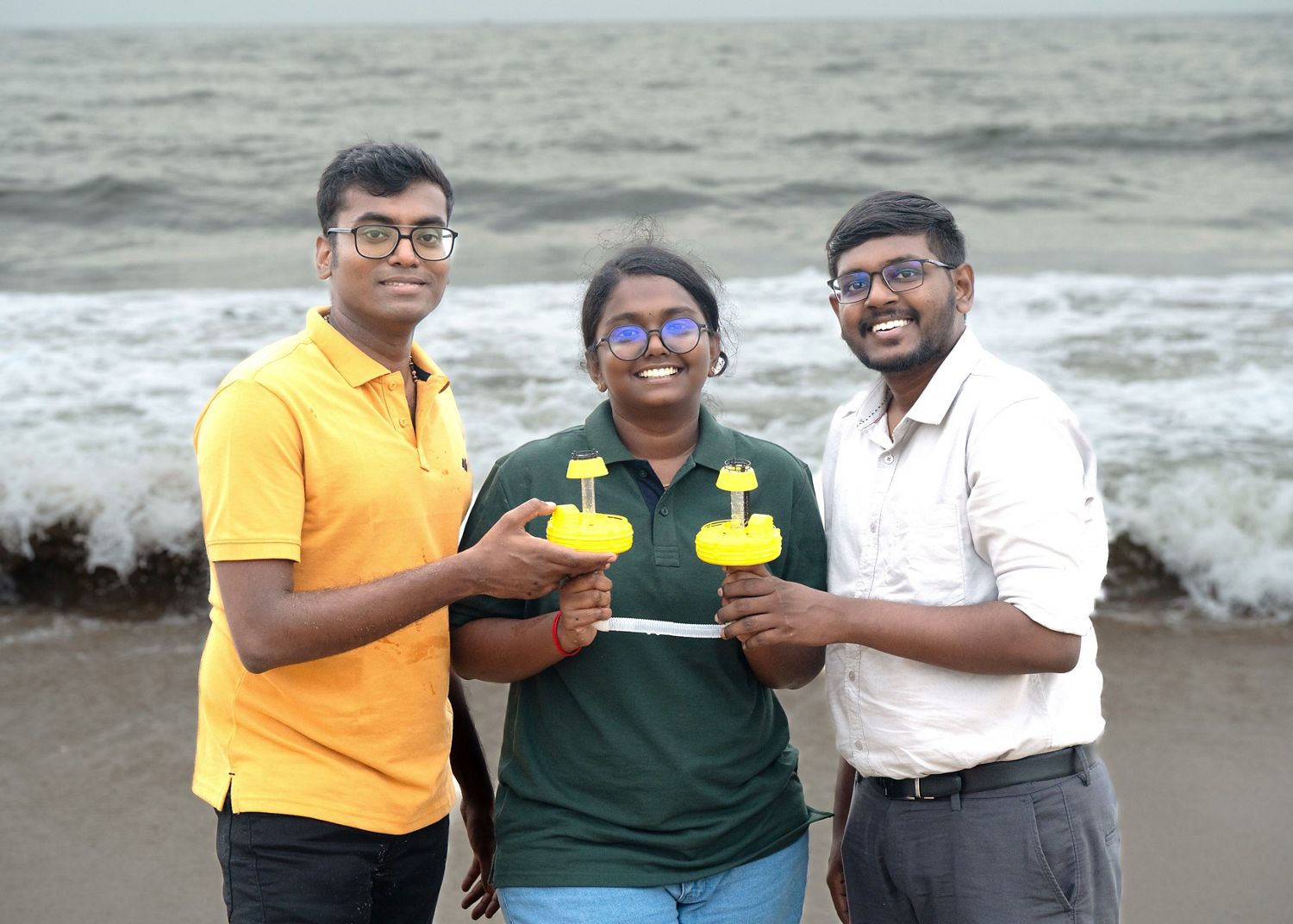
Problem: Most wave energy systems require costly, complex, and fixed infrastructure, limiting scalable access to efficient ocean renewable energy.
Solution: Kinowave is a portable, mooring-free wave energy converter using interconnected, fluid-filled cylinders that float on waves. Its design achieves over 60% efficiency in converting wave motion to electricity, enabling affordable, scalable, and environmentally friendly ocean energy generation without permanent structures.
Runner-up: Urify, a toilet-cleaning tablet that also screens for early kidney disease.
Runner-up: Hydra, a modular bioreactor that grows 3D materials using bacteria.
-
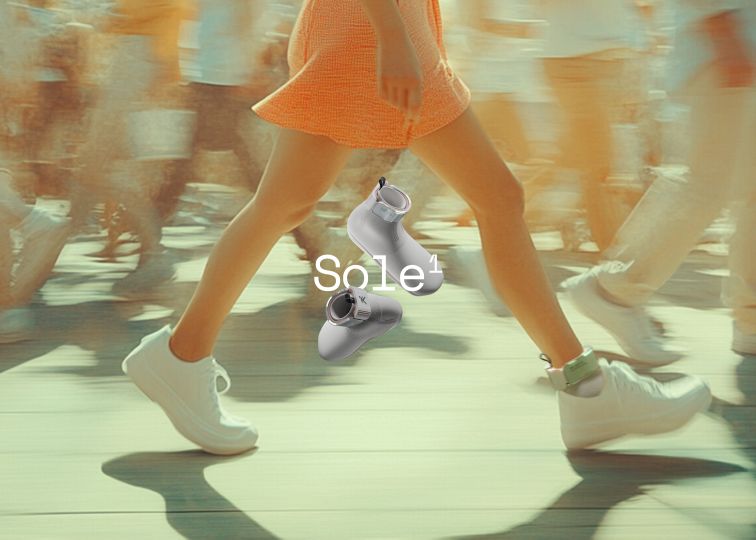
Problem: Traditional mobility devices for conditions like foot drop are rigid, stigmatising, and often immobilise users, leading to discomfort, loss of confidence, and declining function.
Solution: Sole1 is a soft robotic wearable that uses AI and embedded synthetic muscles in a comfortable sock to detect impaired gait and dynamically assist movement. Lightweight, adaptable, and user-centered, it restores natural mobility and independence for people with foot drop and similar disabilities.
Runner-up: WheelyMate, a versatile wheelchair storage solution device to hold multiple accessories.
Runner-up: Nozzlemate, an agile hose carrier to support and advance the firehose under extreme water pressure.
Press contacts
-
Dyson Press Office
Email: Press.Office@dyson.com
-
James Dyson Award
- Website: https://www.jamesdysonaward.org/
- Instagram: @jamesdysonaward
- X: @jamesdysonaward
- TikTok: @jamesdysonaward
- LinkedIn: James Dyson Award
- YouTube: youtube.com/jamesdysonfoundation
Discover Dyson