PRESS RELEASE
Causes of bad breath: what really leads to halitosis and how to address it
London, England - July 24, 2026
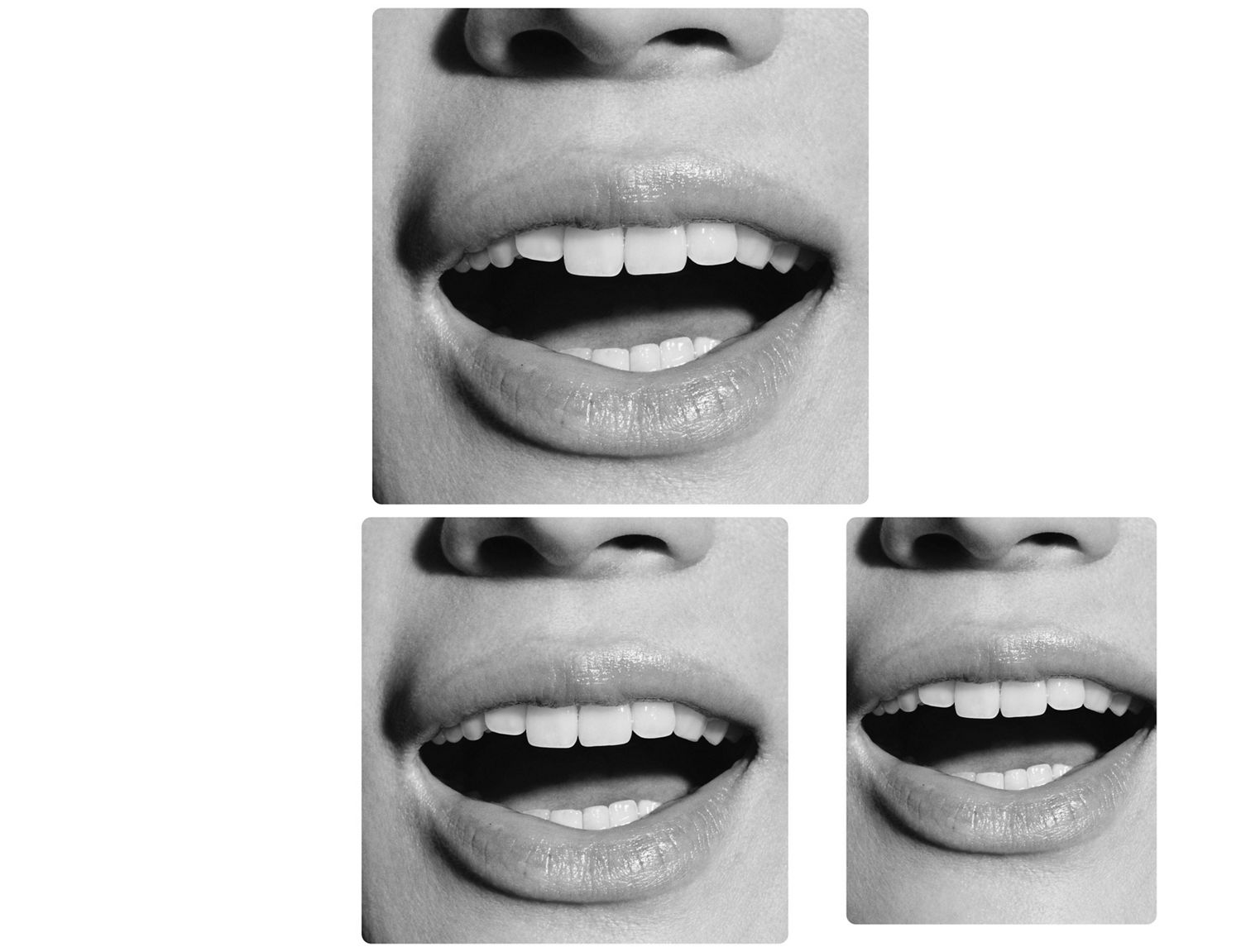
Bad breath happens to almost everyone. But when it sticks around, it usually means something is being missed in your oral care routine.
In most cases, the causes of bad breath come down to one simple thing: parts of the mouth that aren’t being cleaned well enough. Bacteria build up in these areas, where they break down leftover food and release odours. It’s straightforward, but fixable.
The good news is that once you understand what’s behind bad breath, you can take simple, consistent steps to address it.

Causes of bad breath: what’s really happening in your mouth
Bad breath (also known as halitosis) isn’t random. It’s a signal. Your mouth is made up of more than just teeth. You’ve got your gums, tongue, cheeks and the spaces between every tooth. When these areas aren’t cleaned thoroughly, they become ideal places for bacteria to grow.
Here’s what typically drives bad breath:
- Missed areas when brushing
Most people focus on visible tooth surfaces. But the areas most likely to be missed – between teeth, along the gumline, and the tongue – are where bacteria thrive. If food is left behind, bacteria multiply and release odours. Over time, this becomes persistent bad breath.
- Buildup between teeth
Spaces between teeth trap food easily. If they’re not cleaned regularly, bacteria feed on this debris. This is one of the most common causes of bad breath, and one of the most overlooked. - Tongue coating
The tongue has a textured surface where bacteria can settle. Without cleaning it, odour-causing build-up can remain even after brushing. - Dry mouth
Saliva helps wash away debris and bacteria. When your mouth is dry, this natural cleaning process slows down – allowing odours to develop. - Gum health
If bacteria sit along the gumline for too long, they can irritate the gums. This creates another environment for odour to develop.
How to tell if I have bad breath
It’s not always obvious. Your body adapts quickly, which makes it harder to notice your own breath. Here are a few simple ways to check:
- The wrist test: Lick your wrist, let it dry, then smell it.
- The floss test: Clean between your teeth and smell the floss.
- Dry mouth feeling: Persistent dryness can point to odour risk.
- Feedback from others: Often the most reliable cue.
If you’re noticing any of these signals regularly, it’s worth adjusting your routine.
How to tackle bad breath effectively
Tackling bad breath is about removing the cause, rather than masking it. This means you need to build a routine that covers your whole mouth, not just the obvious parts.
These are some steps you can take to tackle bad breath:
Focus on complete cleaning
A consistent routine should include:
- Brushing your teeth thoroughly, twice a day.
- Cleaning between your teeth daily.
- Gently cleaning your tongue.
- Staying hydrated to support saliva.
Clean where it matters most
The hardest areas to reach are often the most important:
- Between your teeth.
- Along your gumline.
- Across your tongue.
If these areas are missed repeatedly, bad breath can persist, even if the rest of your routine is solid.
Use mouthwash in a smarter way
Mouthwash helps freshen breath, but timing and delivery matter. Using it as part of your brushing routine can help reach areas brushing alone may miss, supporting a more complete clean.
A more complete approach to bad breath
Regular cleaning across your entire mouth is the most effective way to tackle bad breath at its source.
Machines like the Dyson CameraJet™ electric toothbrush with Optical Gap Targeting™ bring multiple steps together in one routine. As you brush, it helps clean between teeth while delivering bursts of mouth rinse directly where debris tends to build up.
Dyson’s Low-foaming mouth rinse, which is dispensed from the toothbrush’s Conical jet for precise interdental cleaning, contains anti-microbials and a cooling agent to deliver a long-lasting fresh feel, with the alcohol-free formula helping to prevent mouth dryness – a leading cause of bad breath.
Fresh breath starts with better coverage
The causes of bad breath are largely within your control. When you clean your entire mouth – teeth, gums, tongue and the spaces in between – you remove the conditions that allow odour to develop. Do that consistently, and fresh breath follows.