Discover Dyson air purification
This is a carousel with slides. Use Next and Previous buttons to navigate, or jump to a slide with the slide dots.
Heats the whole room in winter.³ Cools you in summer.⁴
Powerful air projection to heat the room evenly³ or cool you quickly
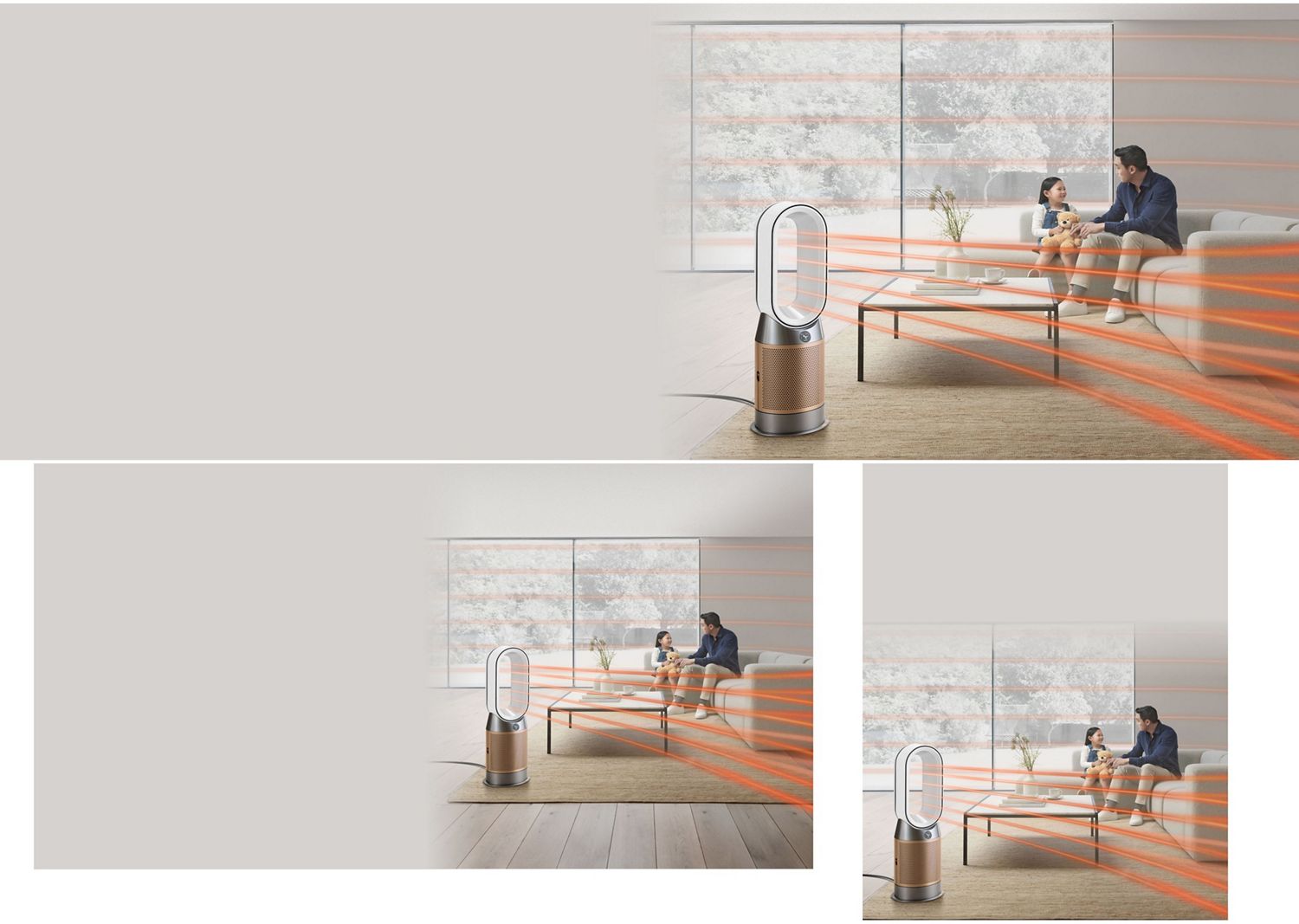
Heats the whole room in winter.³ Cools you in summer.⁴
Powerful air projection to heat the room evenly³ or cool you quickly
Smart technology
Control and monitor your homeʼs air quality on your smartphone⁵
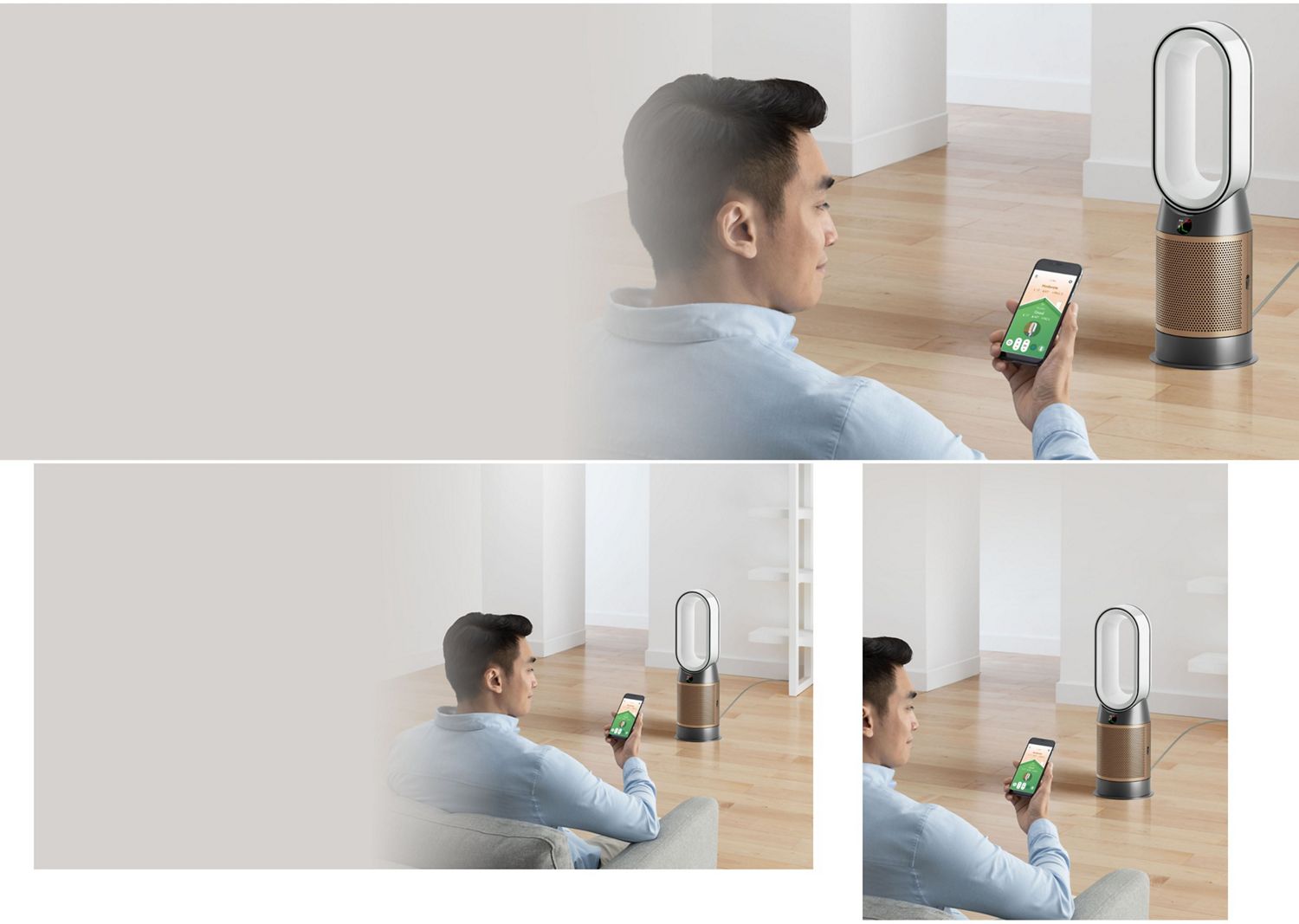
Smart technology
Control and monitor your homeʼs air quality on your smartphone⁵
Easy maintenance
Quick and easy filter changes, with automatic reminders
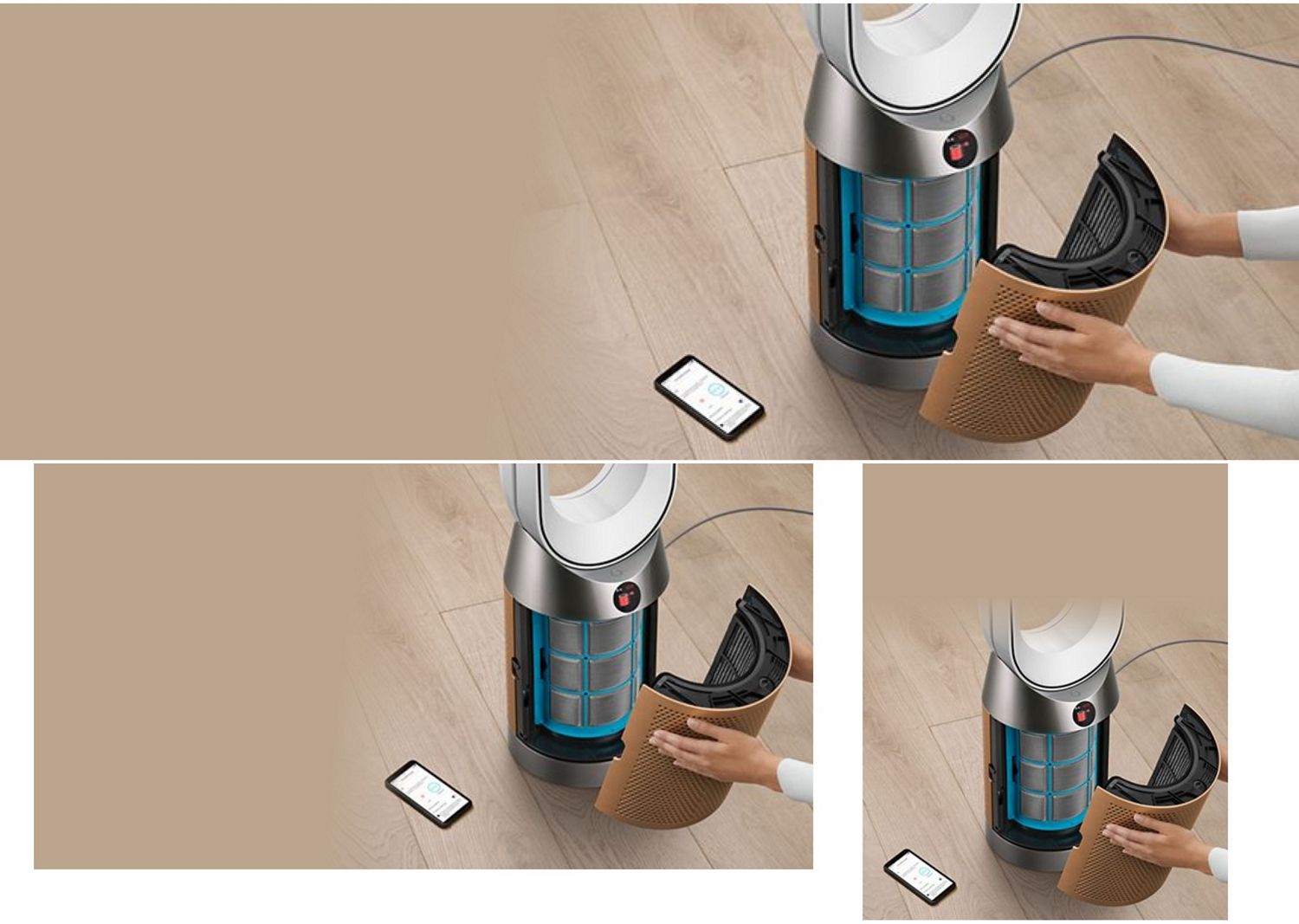
Easy maintenance
Quick and easy filter changes, with automatic reminders
Whole-machine HEPA filtration
HEPA H13 filtration captures 99.95% of ultrafine particles²
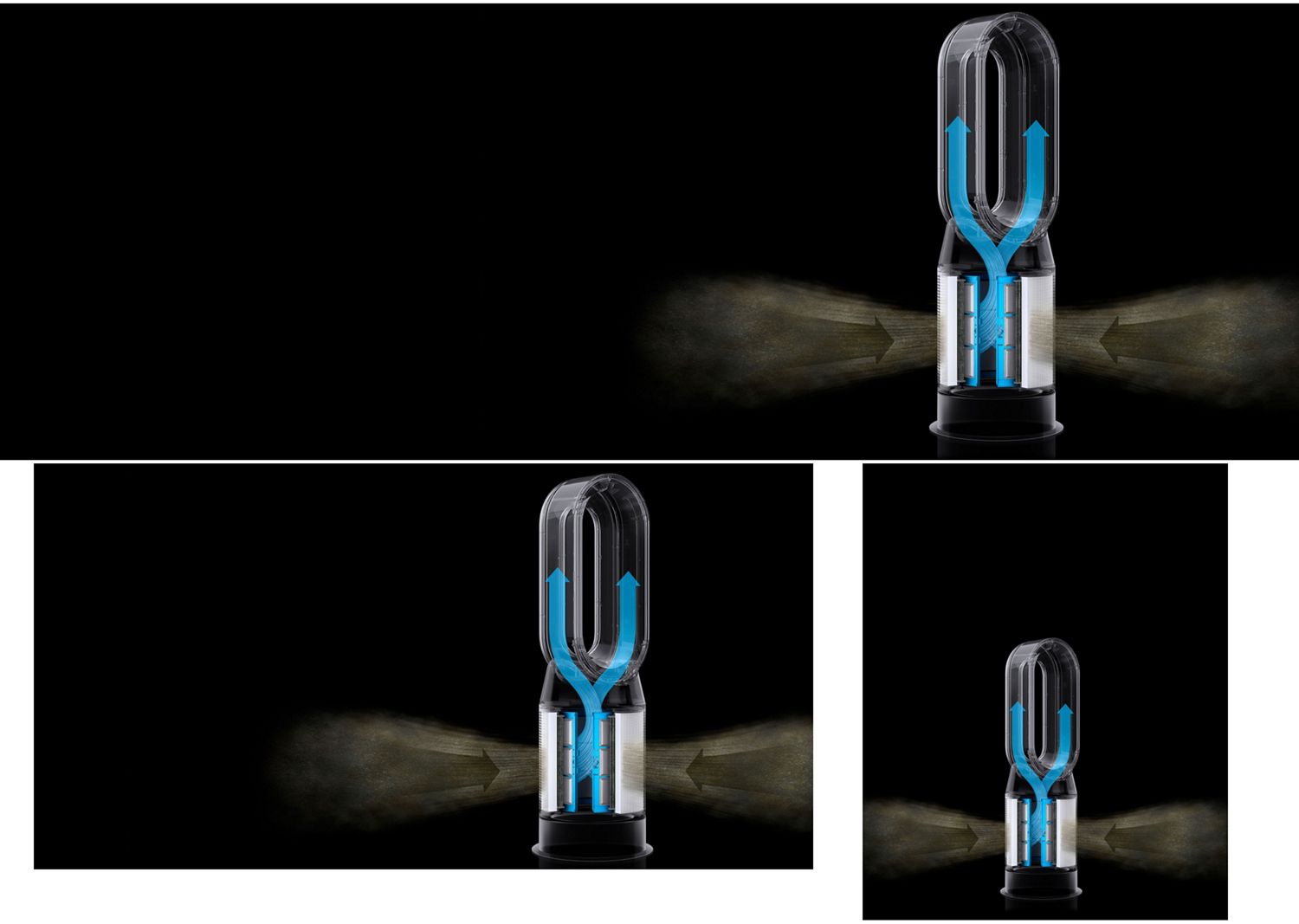
Whole-machine HEPA filtration
HEPA H13 filtration captures 99.95% of ultrafine particles²
Advanced K-Carbon filter plus lifetime catalytic filter
Captures odours, gases and 50% more NO₂.¹ Destroys formaldehyde.⁶
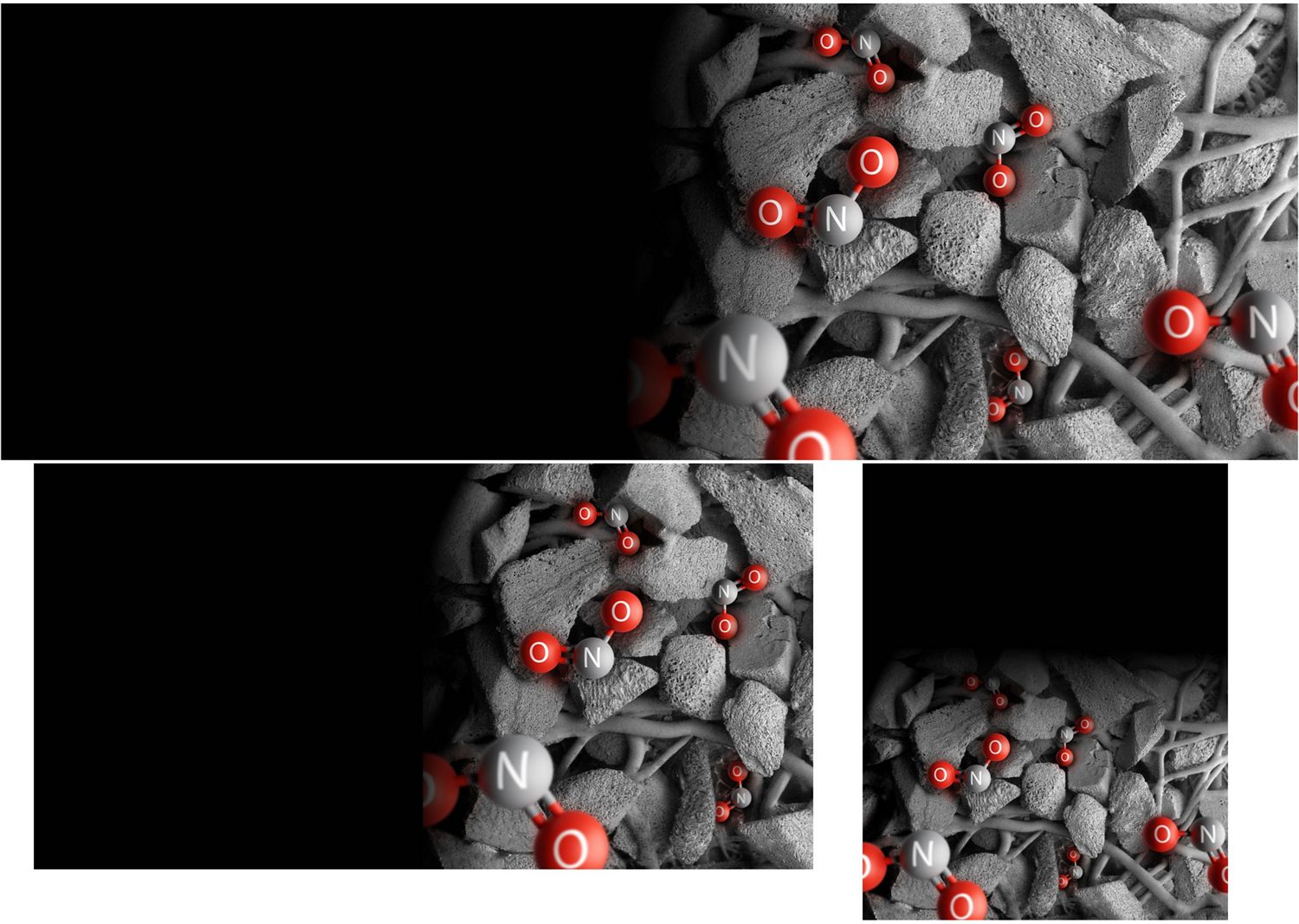
Advanced K-Carbon filter plus lifetime catalytic filter
Captures odours, gases and 50% more NO₂.¹ Destroys formaldehyde.⁶


Frequently asked questions
NOx refers to a group of highly reactive gases containing nitrogen oxides, including nitric oxide (NO) and nitrogen dioxide (NO₂). These gases are produced during combustion processes when any type of fuel is burned, such as natural gas, oil, kerosene, wood or coal. This includes cooking with gas or oil stoves and ovens, burning firewood in wood burning stoves and log burners, vehicle exhaust fumes, wildfires or the burning of charcoal or tobacco. These activities can introduce a range of pollutants into the air.
In the context of emissions, NOx refers to nitrogen oxides released as a result of various combustion or burning processes. These emissions are a major contributor to air pollution, particularly in urban areas. Although you may feel like you can shut this pollution out of your home, modern houses are increasingly well sealed and energy efficient, which means you might be shutting pollution inside with you.
Sources of NOx include:
• Gas stoves and ovens
• Oil or propane stoves and ovens
• Wood burning stoves and log burners
• Vehicle emissions, e.g. cars, trucks, buses
• Burning charcoal, e.g. barbeques
• Tobacco smoke
• Wildfires, lightning, volcanic activity
High levels of NOx can cause respiratory issues, especially for individuals with conditions like asthma. Long-term exposure can lead to decreased lung function and other respiratory diseases.
NOx reduction is a key focus in environmental regulations aimed at improving air quality and reducing health risks.
NOx contributes to the formation of ground-level ozone (smog) and particulate matter, which can harm human health. It can also play a role in the formation of acid rain, which can damage ecosystems, soils and bodies of water.
The Dyson Purifier Hot+Cool HP2 De-NOx Purifying fan heater captures airborne particles and gases, projects purified air, heats the room and provides personal cooling. It is designed as an all-season purifier and fan heater with sensing and app-connected control.
Yes. Use purification with heating in colder weather, or purification with personal cooling when temperatures rise. It can also purify without heating, so its air-quality functions remain useful throughout the year.
Both purify, heat and provide personal cooling. The HP2 De-NOx is the more advanced connected model, with enhanced sensing, pollutant reporting and control through the MyDyson™ app, while the Dyson Pure Hot+Cool™ HP00 Purifying fan heater offers simpler purification, heating and personal cooling controls without app connectivity.




- 1 Compared to regular activated carbon performance on the Purifier Hot+Cool Formaldehyde (HP09).
- 2 Tested for filtration efficiency at 0.1 microns (EN1822, ISO29364). Gas capture rates may vary.
- 3 In maximum setting. Tested for air projection (DTM801), purification coverage in a 81m³ room (TM-003771) and heating performance in a 35m³ room (DTM961).
- 4 Fan not air-conditioning unit.
- 5 App functionality may vary per market. Requires Wi-Fi and app enabled device. Standard data and messaging rates may apply. Requires iOS version 10 or above, or Android version 5 or above. Your mobile device must have Bluetooth 4.0 support.
- 6 Third party full machine testing based on GB/T 18801-2022 formaldehyde cumulative clean mass testing with continuous injection until plateau of formaldehyde CADR is achieved. Results may vary in practice.