-

-
Interview: Sophia DeVito, Radhika Saran and Cleo Pontone, James Dyson Award 2026 Medical Winners
James Dyson Award | 4 November 2026
We caught up with Harvard Master's students Sophia DeVito, Radhika Saran and Cleo Pontone, who are this year's James Dyson Award Global Medical Winners. Their invention, Rumble Rims, aims to stop undetected concussions putting athletes at further risk of brain injury by using infrared eye-tracking to bring concussion screening directly to the sidelines to inform safer return-to-play decisions.
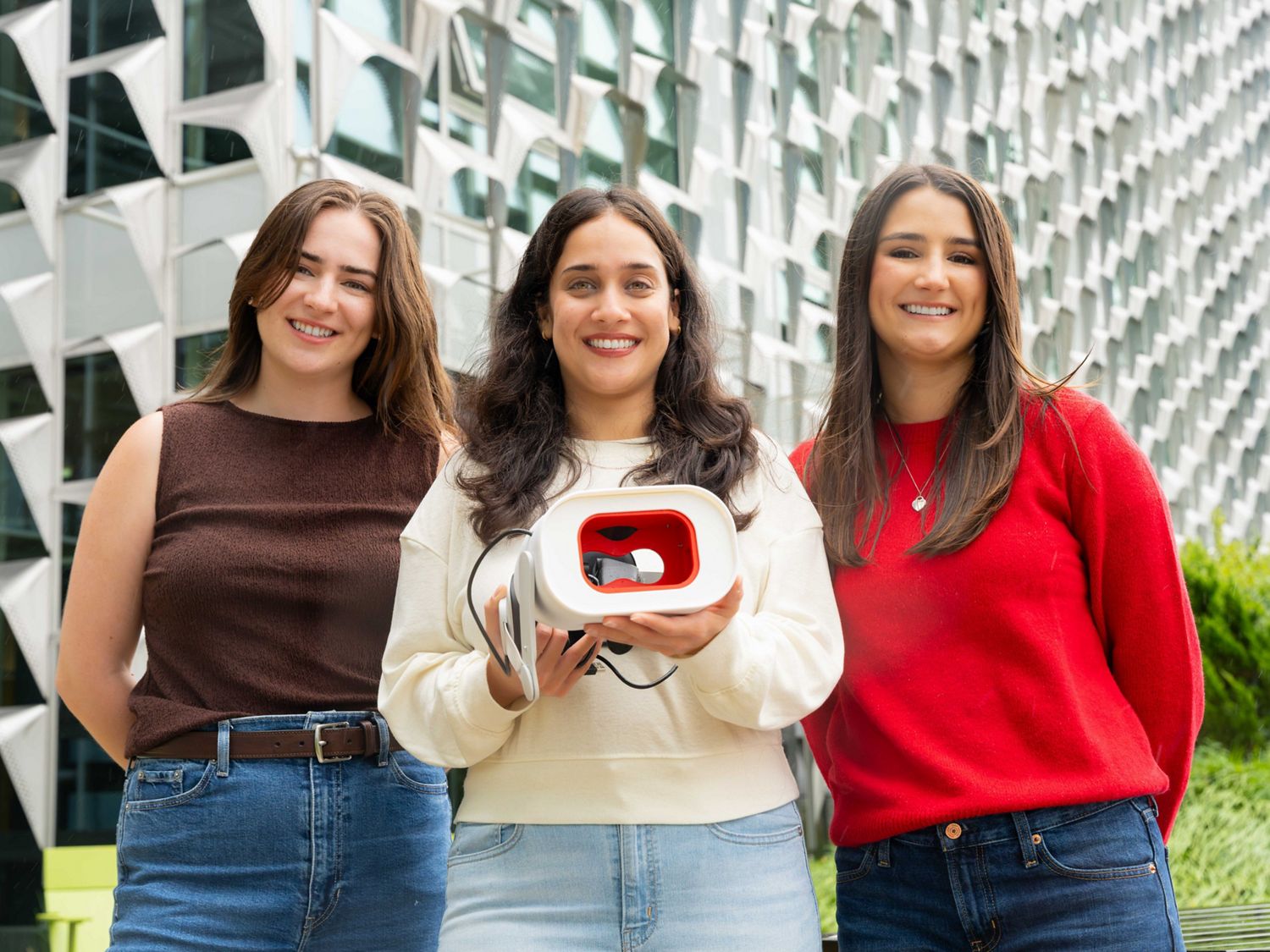
Congratulations on being the 2026 James Dyson Award Medical Winners! What encouraged you to apply for the Award, and how does it feel to be a global winner?
The James Dyson Award felt like a natural fit for Rumble Rims because it celebrates design-led engineering that tackles real-world problems, with a focus on the process behind the product.
The recognition from the James Dyson Award validates our belief that we don’t have to accept problems as they stand today. Concussions in youth sports have become something we treat as routine, despite their long-term neurological impact. By bringing together interdisciplinary teams of designers, engineers, and strategists, we can challenge norms like this one and design a more usable, accessible world where technology reaches people when they need it most, not after the damage is done.
How does Rumble Rims work?
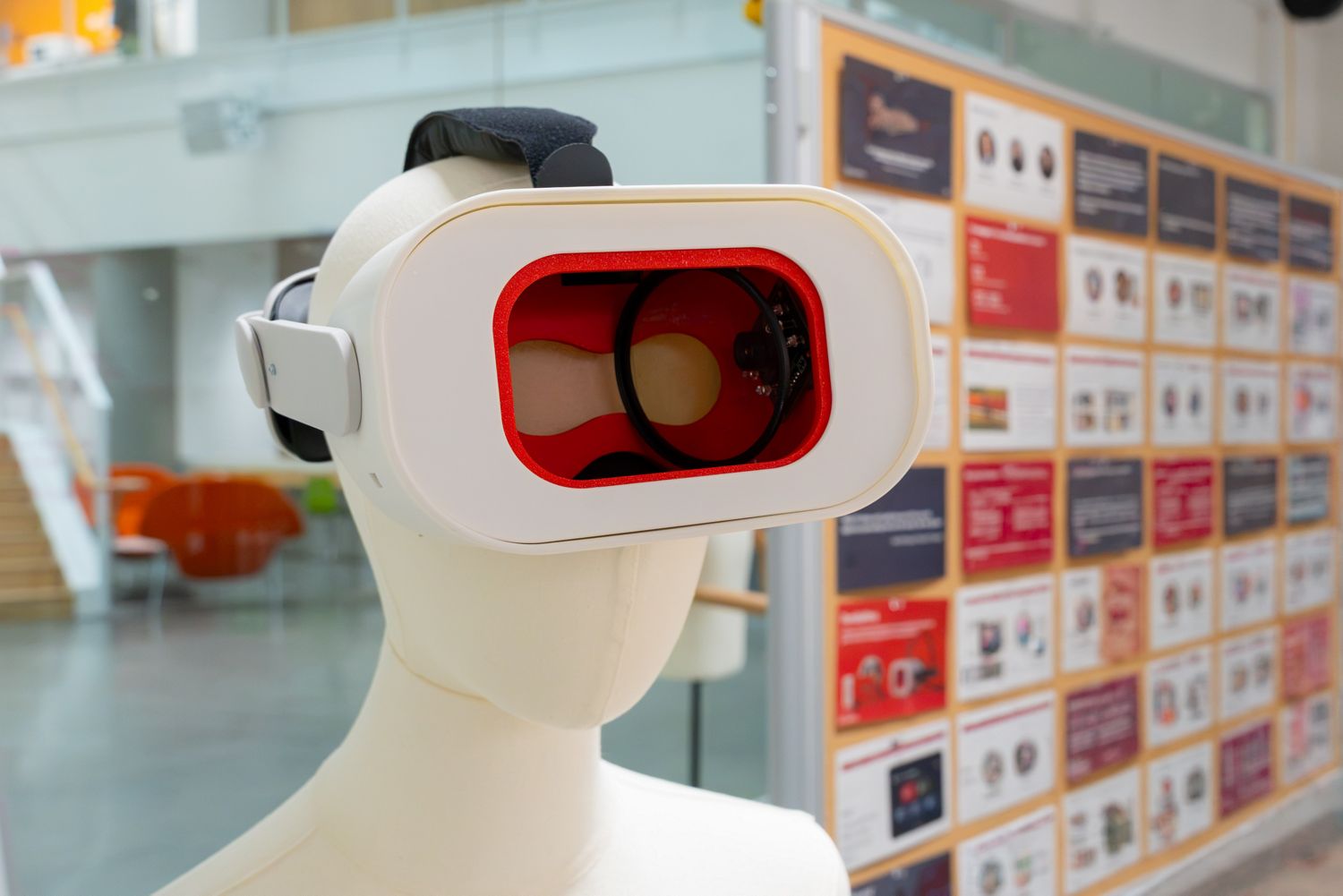
Rumble Rims uses eye tracking to help screen athletes for potential concussion, based on research showing that neurological disruption can cause delays in eye tracking.
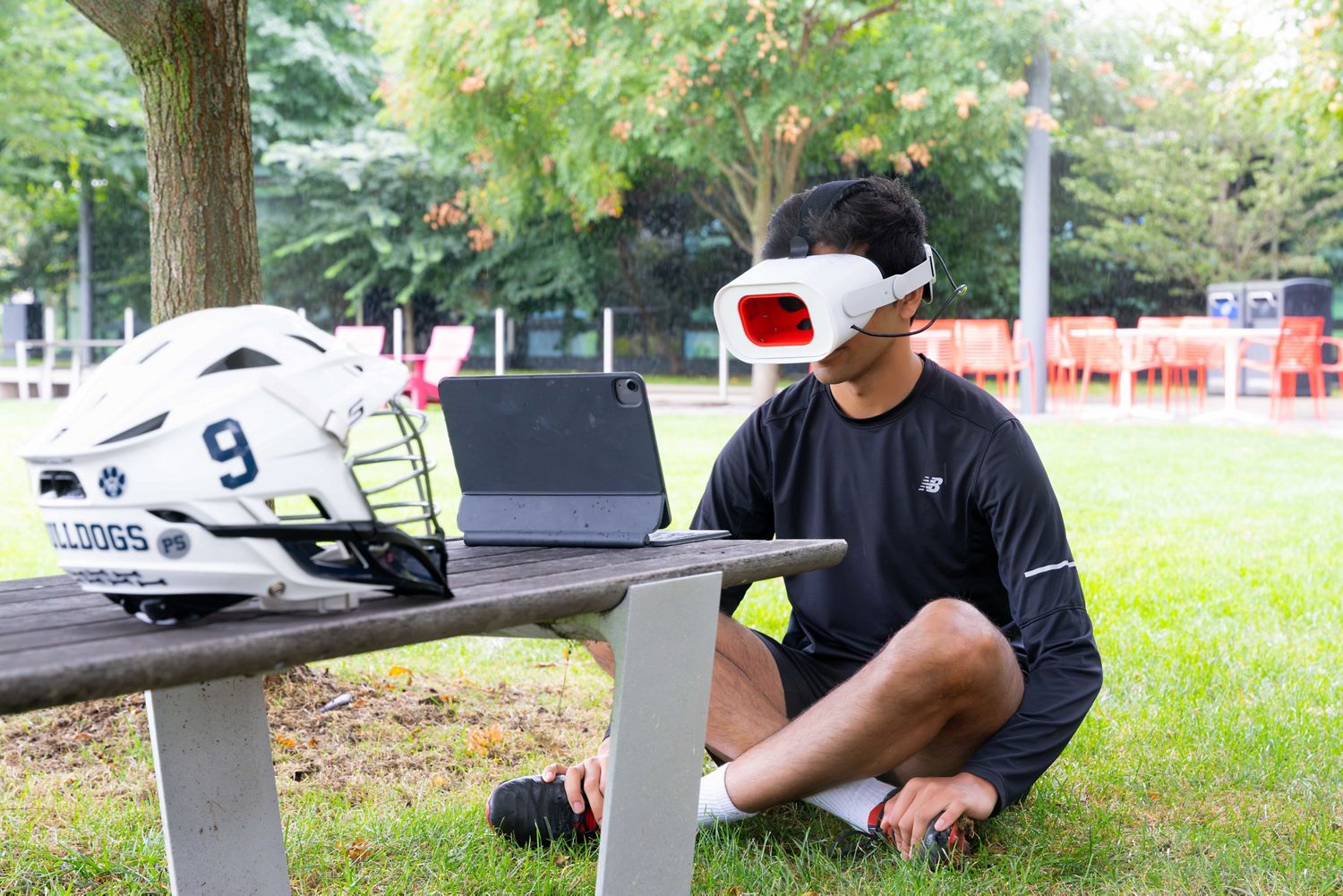
The athlete puts on the headset and follows a target on an iPad screen at arm’s length for around two to three minutes. The system then translates that data into clear information for the coach, helping them make a more informed decision about whether an athlete may need to be removed from play and referred for further medical assessment.
.jpg?$responsive$)
What reactions have you had from coaches, athletes or medical professionals?
The feedback we’ve had from medical professionals and coaches has been really encouraging. Everyone we’ve spoken to has said that a tool like Rumble Rims could help them make more informed decisions in real time on the sidelines.
Coaches, in particular, have been really excited about it. They’re the ones on the field and so they feel a real responsibility for the safety of their young athletes. Giving them another layer of information to help them decide how to respond to a potential concussion can give them greater confidence in those critical moments.
That response has meant a lot to us. It’s reinforced that this is a real problem that needs addressing and has motivated us to keep developing the technology.
What makes Rumble Rims different from other concussion detection methods?
When we spoke to coaches and athletes, we were surprised to hear how commonly simple methods like the ‘follow the finger’ test are still used to assess a potential concussion. These can be quite subjective and rely heavily on the judgement of the person carrying out the assessment.
At the other end of the spectrum, more sophisticated eye-tracking technologies are available, but these systems can cost tens of thousands of dollars, putting them out of reach for many schools and community sports teams.
We wanted to bridge that gap by bringing a more objective and accessible screening method to the sidelines for community sports teams and schools. Rumble Rims doesn’t diagnose concussion, but it can identify signs of a potential concussion and generate a report that can be shared with a medical professional for further assessment.
What price will Rumble Rims be set at?
Our current prototype has been built for under $350. There are some comparable products in the market which use eye-tracking to screen concussions. However, many of these require specialist equipment or a trip to hospital and are prohibitively expensive (costing around $25,000 or more). Our aim was to keep Rumble Rims affordable and accessible as we continue to develop it.
We think it solves the problem in an entirely new way, bringing objective methods to grassroots sports groups and other uses.
What are your next steps for Rumble Rims?
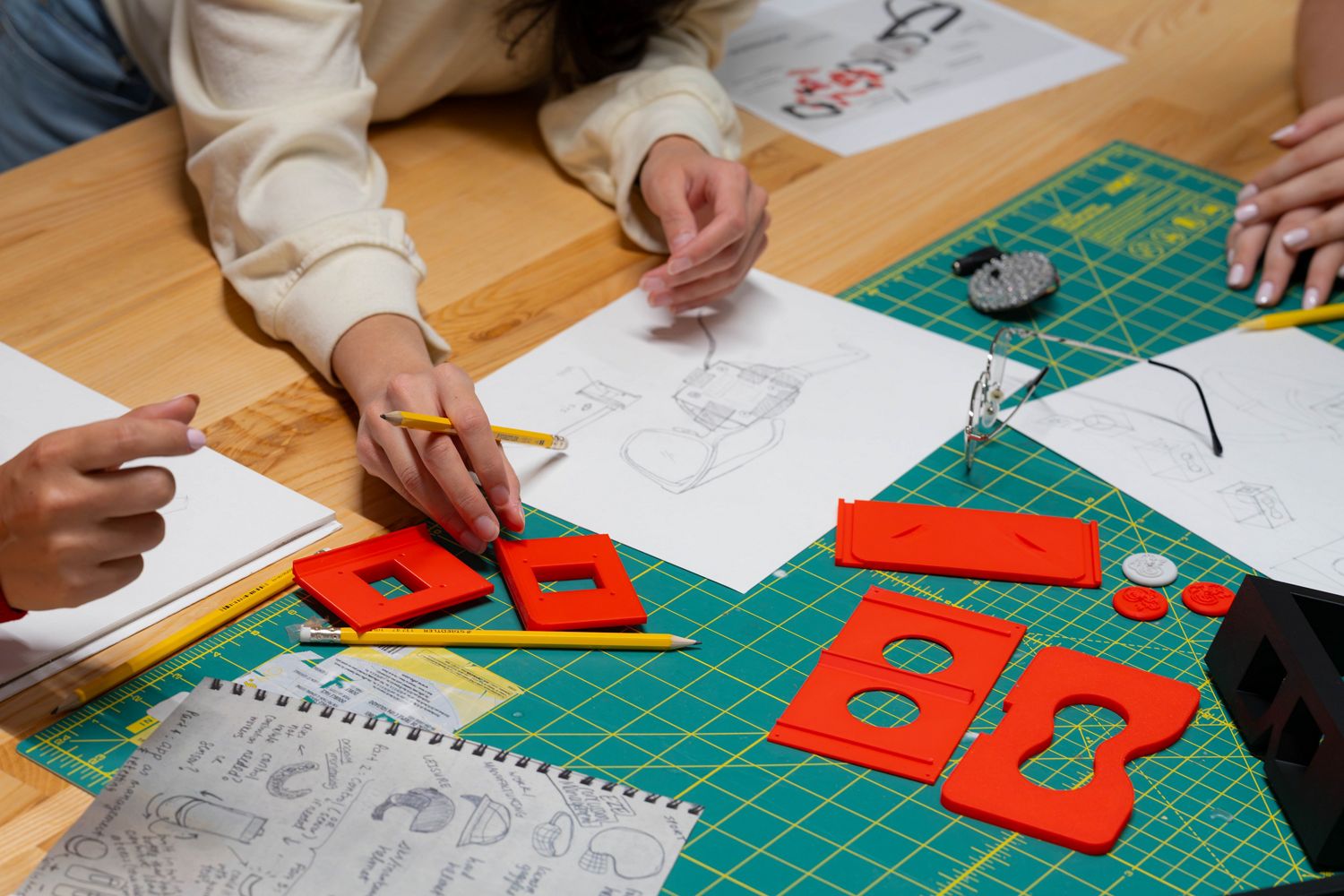
Our next step is further development and clinical validation. We want to continue improving the accuracy of the technology, while making the headset more comfortable and the software as simple and intuitive as possible to use.
Winning the James Dyson Award has given us real momentum to do that. It gives us the opportunity to keep developing Rumble Rims and work towards a real-world pilot that could put it on every sideline.
Press contacts
-
Dyson Press Office
Email: Press.Office@dyson.com
-
James Dyson Award
- Website: https://www.jamesdysonaward.org/
- Instagram: @jamesdysonaward
- X: @jamesdysonaward
- TikTok: @jamesdysonaward
- LinkedIn: James Dyson Award
- YouTube: youtube.com/jamesdysonfoundation