The next generation of problem-solvers revealed as James Dyson Award announces global top 20 shortlist
Published: 14 October 2026
The James Dyson Award 2026 Global Top 20 shortlist in brief:
- Twenty student-led inventions have been shortlisted as global finalists in the 2026 James Dyson Award, selected by a panel of Dyson engineers.
- This year's Top 20 shortlist includes a wristband that translates sign language into speech, an AI-powered mobility cane for blind people, and a low-cost dialysis machine designed to improve access to life-saving treatment.
- Each finalist now progresses to the final stage of judging for the chance to win £30,000. James Dyson will select the 2026 global winners, to be announced on 4th November.
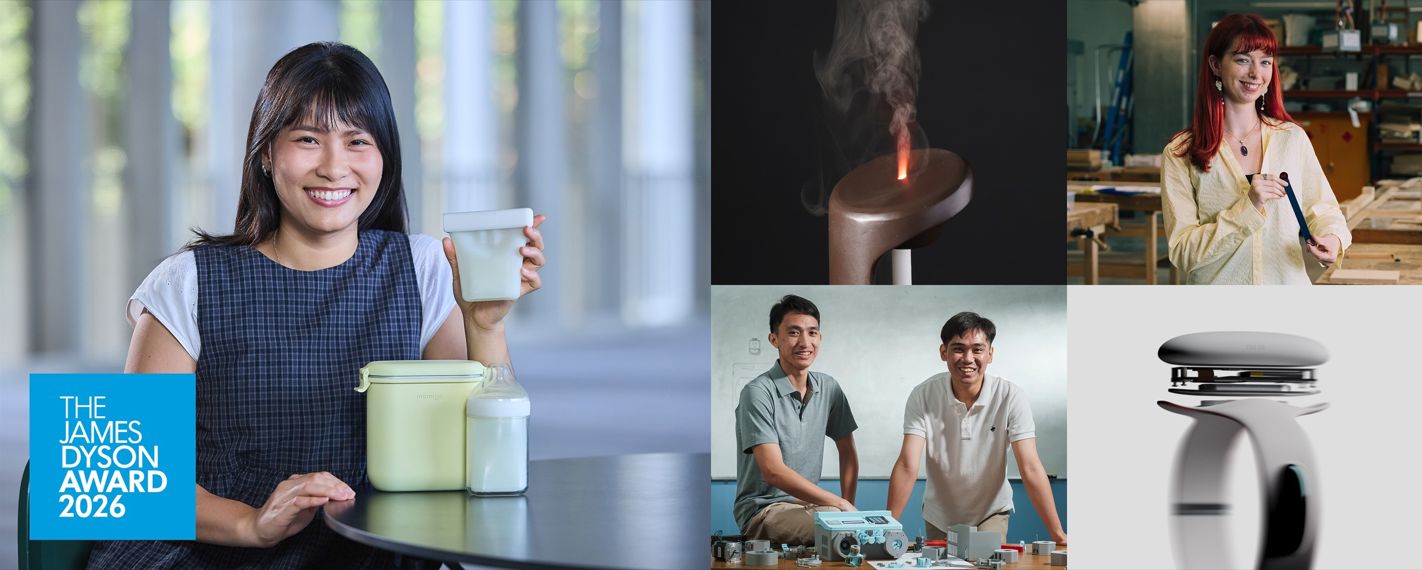
Today, the James Dyson Award unveils its 2026 global Top 20 shortlist, recognising student-led inventions tackling some of the world's most pressing challenges through engineering and design.
For 21 years, the James Dyson Award has championed budding engineers to transform promising ideas into inventions with real-world impact. This year's Top 20 shortlist demonstrates how young inventors are applying engineering to challenges ranging from healthcare and accessibility to environmental sustainability.
The Award’s Top 20 shortlist addresses the world’s most pressing problems
- Expanding access to healthcare: Young engineers are developing technologies that could make healthcare more affordable, accessible and effective. In the Philippines, Andrew Jacob Buensalido and Allyson Cabrestante have developed BiDaKidney, a low-cost, semi-automated dialysis machine designed to improve access to life-saving treatment. In Canada, Hyunjae Noh's SoleTrace uses AI and smartphone scanning to detect early signs of Parkinson's disease through changes in gait, while Yonatan Morocz’s AnemoSwab rethinks respiratory disease testing, capturing breath particles instead of using nasal swabs.
- Improving independent living for disabled people: Several finalists are helping people overcome barriers to communication and mobility. In Germany, Samuel Nagel and Paul Feiler created NURA, a wearable wristband that translates sign language into speech. Bing He Sun's CaneSight from Chinese Mainland uses AI to help blind people navigate accurately to their final destination, while Erdzean Nathaniel Sybico's VocaBuddy enables non-verbal autistic children to communicate using familiar voices and photos.
- Building environmental resilience: Other finalists address environmental and infrastructure challenges. In Taiwan, Yin-Rui Liao's Reefvive transforms recycled materials into coral bases that support reef restoration, while Aldrei Ong's Sentinel from the Philippines uses embedded sensors to monitor structural damage in concrete buildings following earthquakes.
This year’s global finalists were selected by a panel of 12 Dyson engineers based in the UK, US, Singapore, Malaysia and the Philippines. They bring a wide range of expertise, from product design, mechanical engineering, electronics, sustainability and chemical engineering. Each invention was evaluated on its functionality, design process, originality, and commercial viability.
-
“The James Dyson Awards always attracts entries from a broad spectrum of areas, and this year no less so! This keeps things interesting, but it can be difficult to choose between say a children’s health device and a geoengineering structure. My favourite entries are those that surface problems that I didn’t know needed solving and this is something that a lot of the top 20 have in common. It is precisely these kinds of thought-provoking insights that are needed to help us invent practical, everyday solutions to improve lives. I’m excited to see who takes home the global prize.s."
Kay Yeong, Principal Engineer and James Dyson Award Top 20 Judge
The overall global winners, selected by Sir James Dyson, will be announced on 4th November. Each winner will receive £30,000 in prize money to support the next phase of their invention.
Meet the shortlist
-

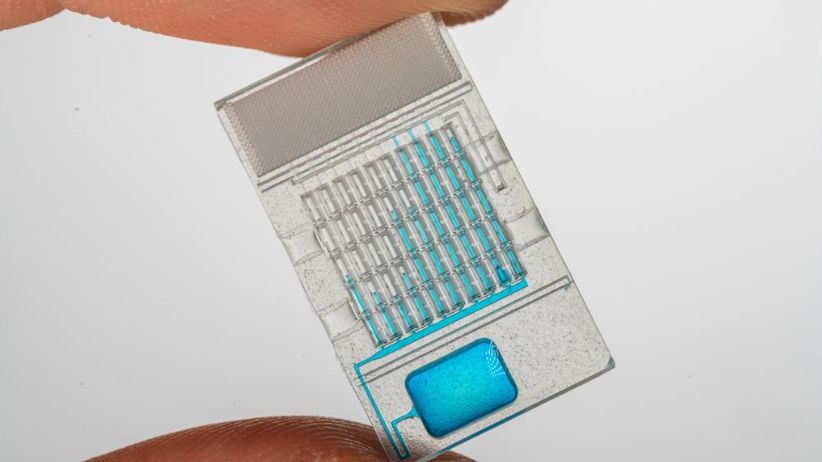
Problem: Respiratory tests often rely on uncomfortable nasal swabs, which can deter testing and may not accurately capture what a person is exhaling.
Solution: AnemoSwab is a non-invasive breath sampler that collects exhaled particles in two minutes, providing a concentrated sample for PCR or rapid testing without swabs or external power.
Invented by Yonatan Morocz - McGill University
-
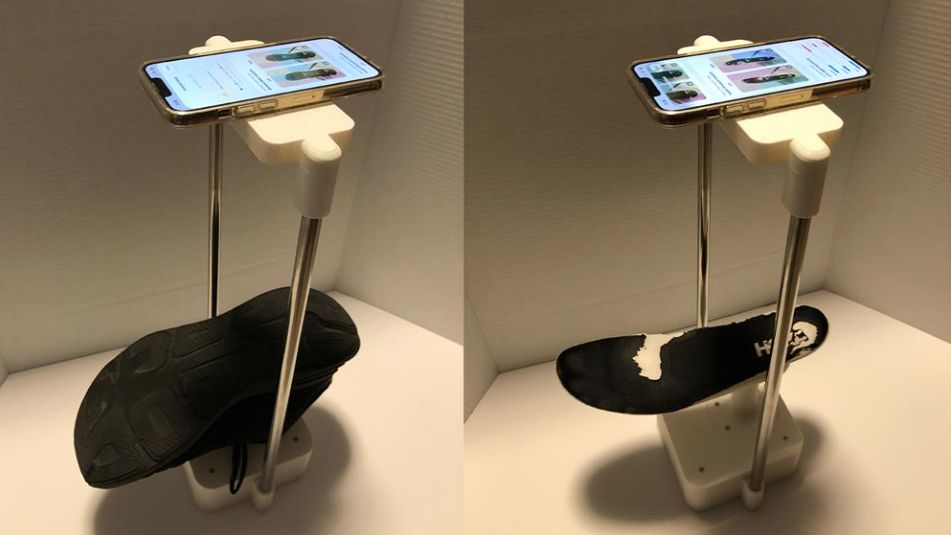
Problem: Parkinson’s can be hard to detect early, with diagnosis often coming after significant neurological damage has occurred.
Solution: SoleTrace uses a smartphone and AI to analyse shoe wear patterns, identifying subtle gait changes that could signal early Parkinson’s.
Invented by Hyunjae Noh - OCAD University
-
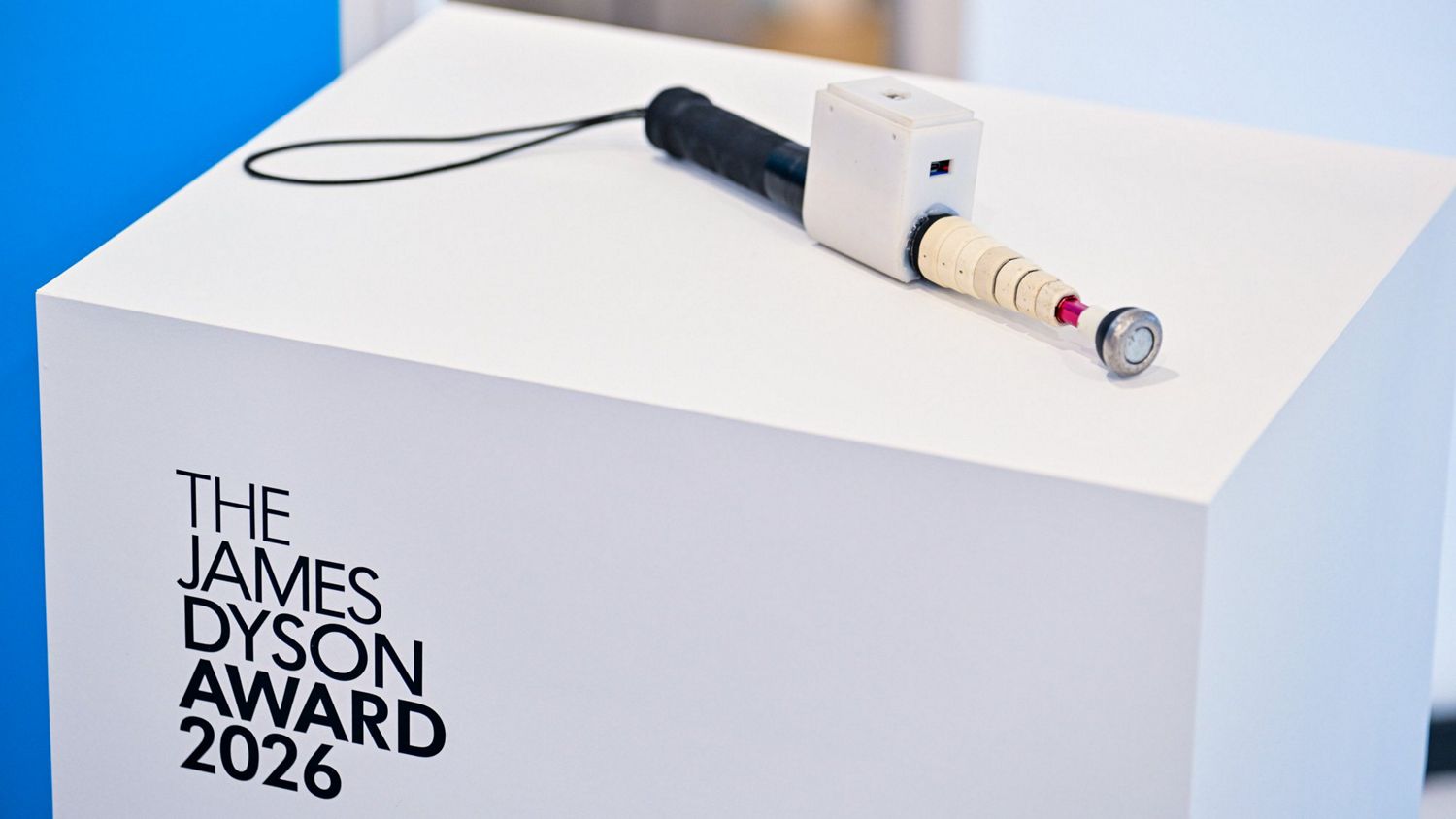
Problem: Visually impaired people often struggle with the final steps of a journey, such as finding entrances and landmarks after navigation tools end.
Solution: CaneSight adds AI-powered navigation to a standard white cane, helping users find key destinations independently.
Invented by Bing He Sun - Beijing University of Posts and Telecommunications
-
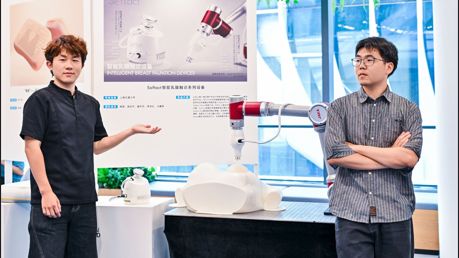
Problem: Breast screening often relies on subjective physical exams or specialist imaging equipment, making regular monitoring difficult and less accessible.
Solution: Softact combines AI and advanced tactile sensing to replicate a clinician's sense of touch, enabling more consistent breast screening in both clinical settings and at home.
Invented by Peng Yang, Yujie Zang, Peng Yang, Zhiyu Xu, Jianzi Ma and Baohong Li - Shanghai Jiao Tong University
-
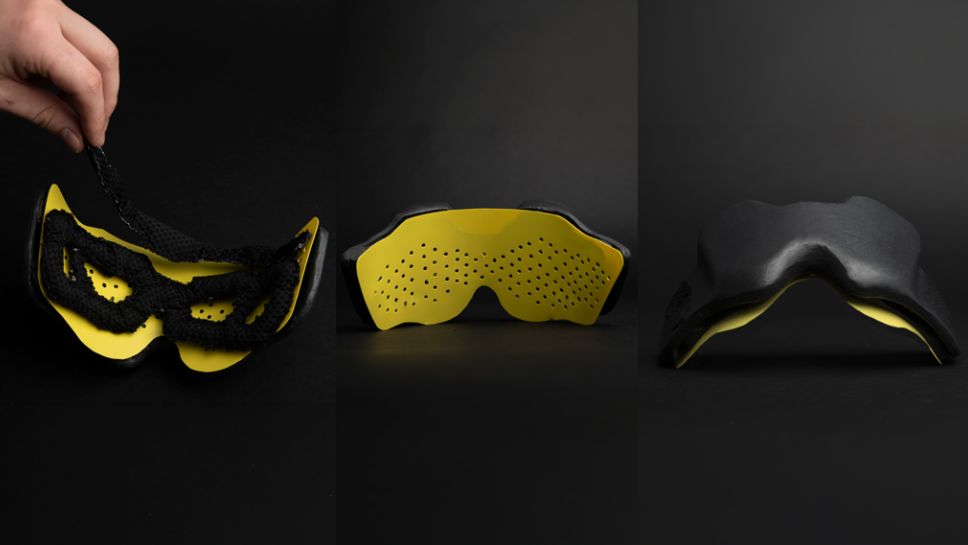
Problem: Blind and visually impaired people can be held back from participating in blind football because the fear of collisions and injury.
Solution: Egle is a protective smart mask that uses tactile feedback to detect obstacles and pitch boundaries, helping blind football players train independently.
Invented by Gildas Bouger - École de Design Nantes Atlantique
-
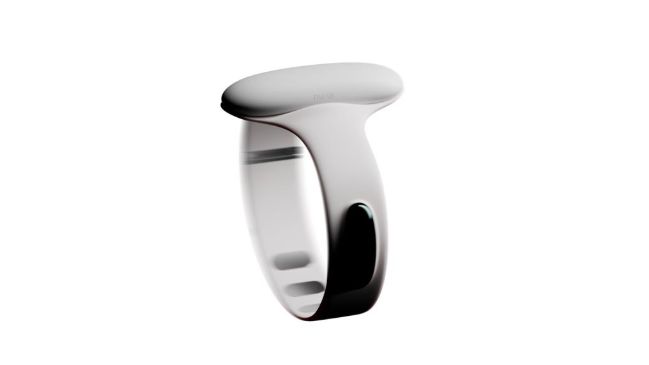
Problem: Deaf and hard-of-hearing people often face communication barriers in everyday situations where interpreters are unavailable, expensive, or require advance booking.
Solution: NURA is a wearable wristband that uses EMG technology, cameras, and AI to translate sign language into speech and spoken language into text in real time.
Invented by Samuel Nagel and Paul Feiler - Hochschule für Gestaltung Schwäbisch Gmünd
-
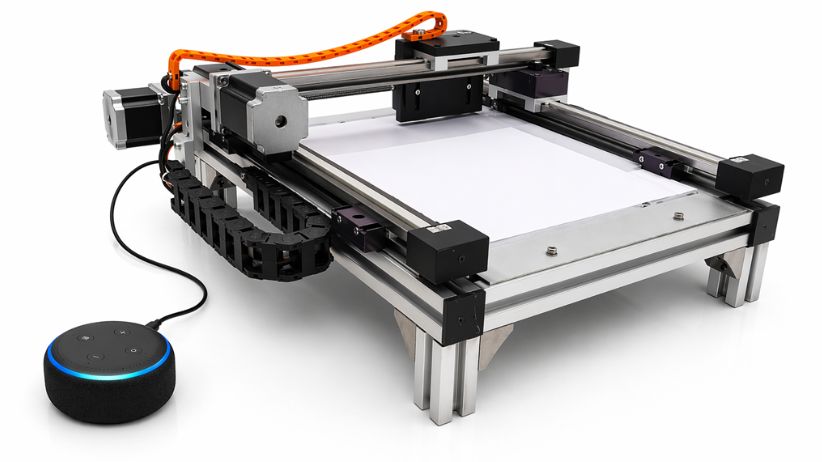
Problem: Writing Braille by hand can be slow and tiring, requiring users to punch each character individually and learn reverse Braille patterns.
Solution: RUDHRA is a voice-controlled Braille printer that converts spoken words into Braille automatically, helping visually impaired users create and print documents more easily and independently.
Invented by Lingampalli Himaja - Shri Vishnu Engineering College for Women
-
Problem: Many mental health nurses have experienced assaults at work but existing emergency alerts can be difficult to activate discreetly and may not reach the colleagues closest by.
Solution: Noli is a discreet wristband that lets healthcare staff silently call for help, alerting the nearest available colleagues so support can arrive more quickly when needed.
Invented by Ella Flanagan - TU Dublin
-
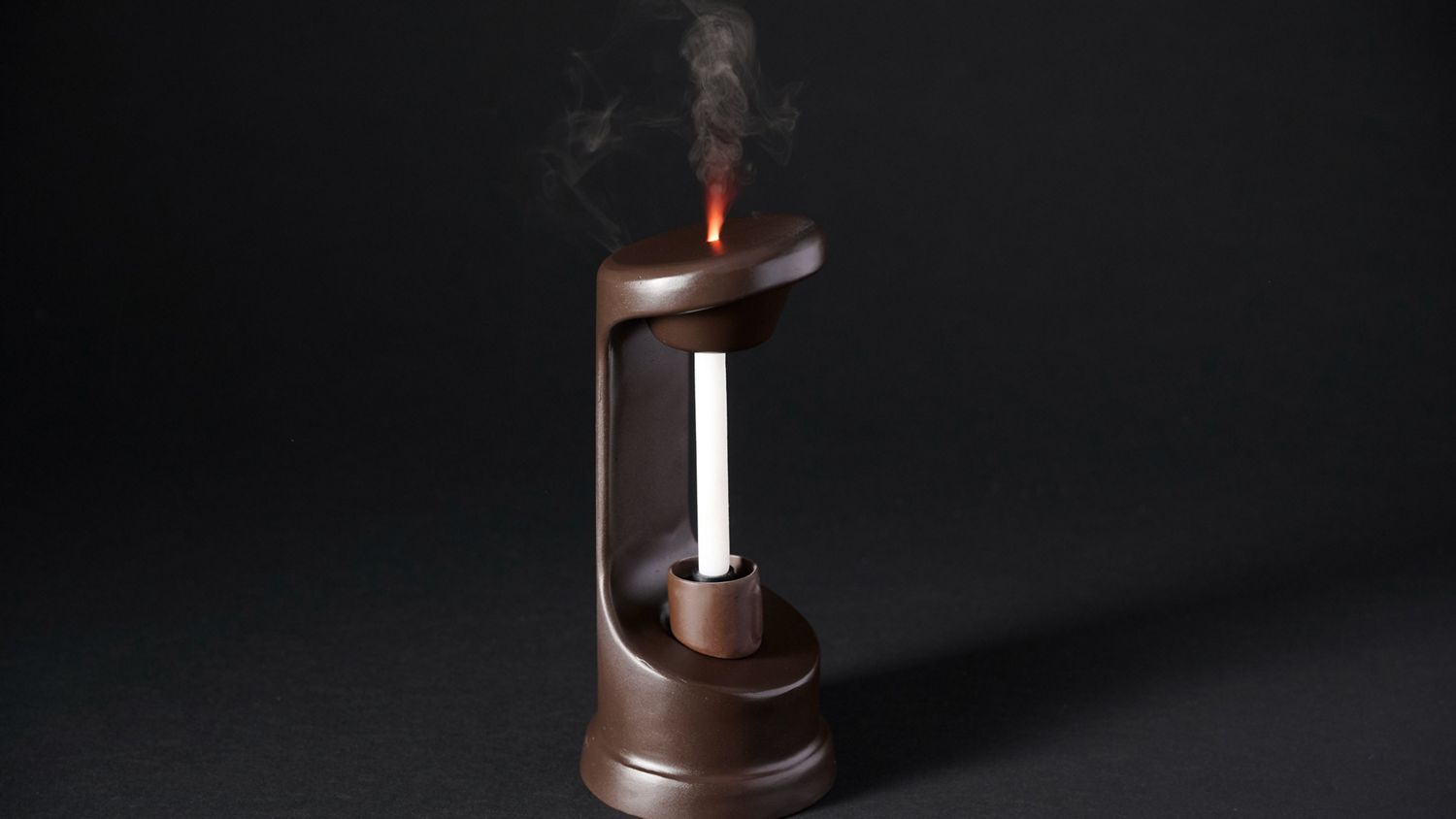
Problem: Many elderly people continue to use candles and incense during prayer and memorial rituals, but declining mobility, weaker grip strength, and difficulty handling lighters increase the risk of accidental house fires.
Solution: morito is a flameless prayer device which uses scented mist and LED-generated flame effects to recreate the sensory experience of traditional candles.
Invented by Masano Yu, Suda Takeharu, Yamada Hayato and Hirose Kazuki - Hosei University Graduate School
-
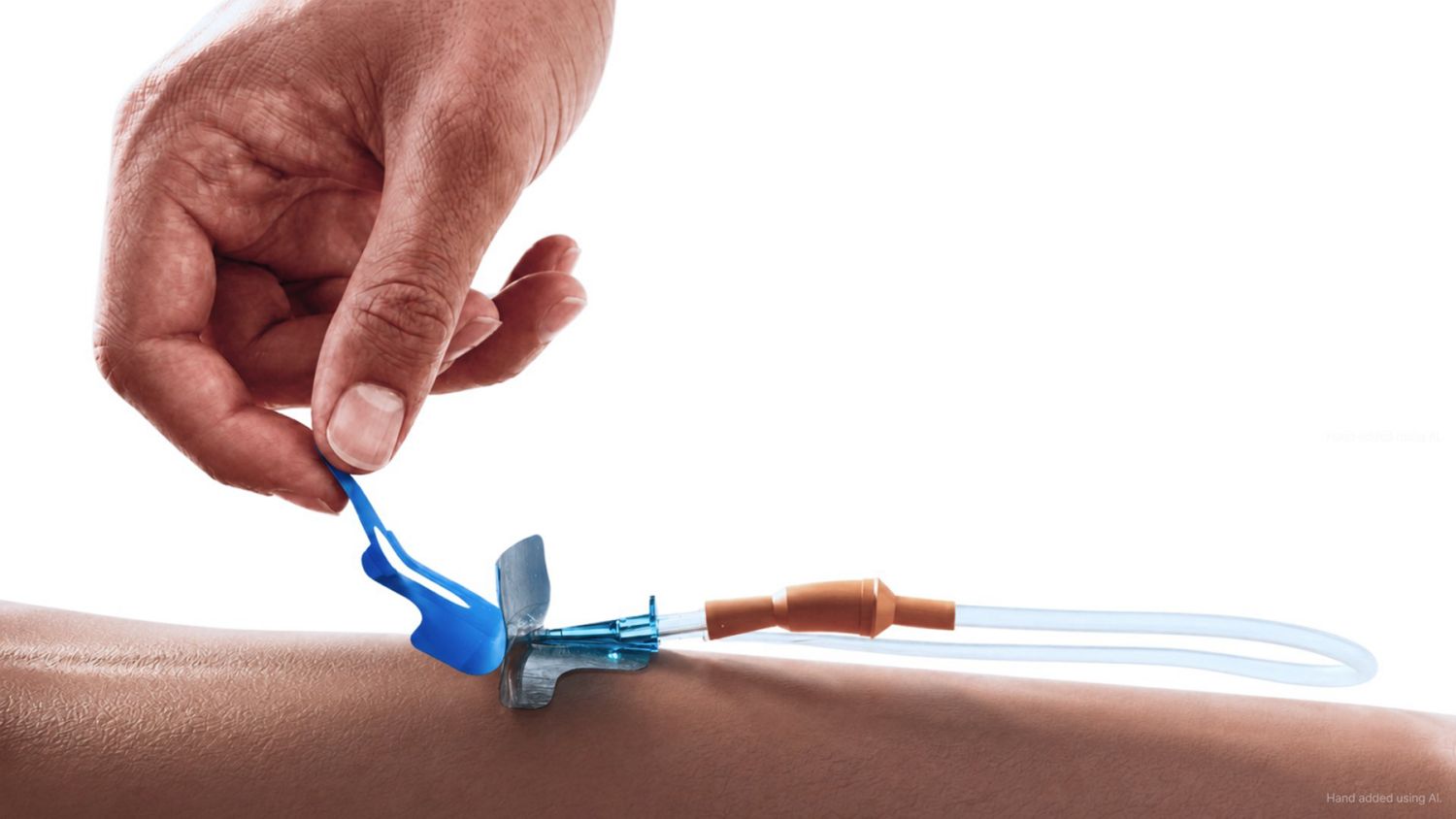
Problem: IV catheters can be difficult to secure quickly and safely in fast-moving emergency situations.
Solution: Fixwing combines catheter insertion and fixation in one device, enabling faster, more secure treatment without additional taping.
Invented by Hyemi Son, Shin Ding Min, Joo Songmin and Yeonwoo Park - Hanyang University ERICA
-
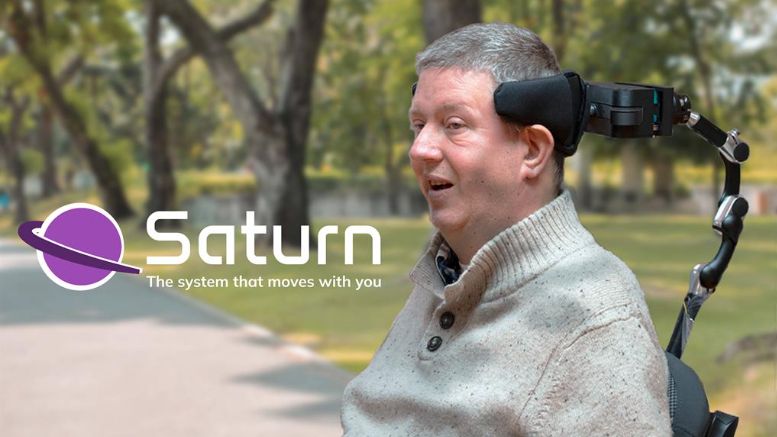
Problem: Existing wheelchair head controls can be uncomfortable and limit independence for users.
Solution: Saturn is an add-on head control system that enables intuitive wheelchair control through simple head movements.
Invented by Seán-Jameson Galvin, Jamie Luik, Miha Arink, Lieke Neppelenbroek and Jens Peeters - TU Delft
-
Problem: Peritoneal dialysis can be time-consuming, difficult to manage, and expensive to automate.
Solution: BiDaKidney is a low-cost device that automates peritoneal dialysis, making treatment easier and more accessible.
Invented by Andrew Jacob Buensalido and Allyson Cabrestante - University of the Philippines Diliman
 - Copy_cropped.jpg?$responsive$)
-
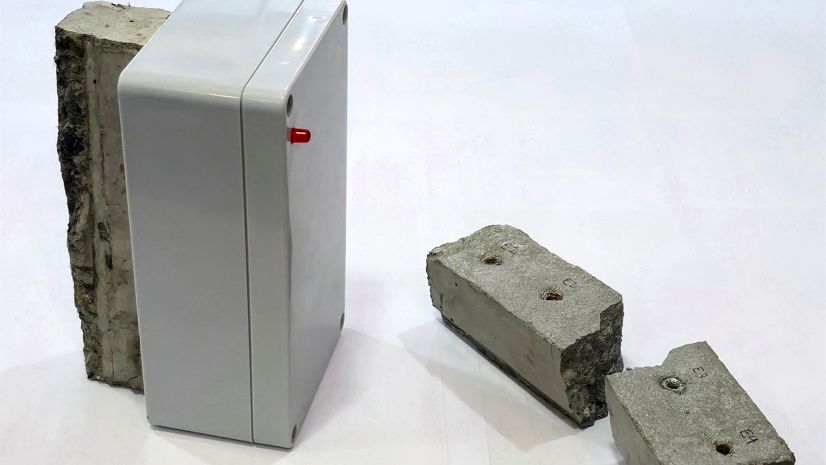
Problem: Inspecting buildings for damage can be slow, costly and disruptive. Hidden structural deterioration often goes unnoticed until serious problems emerge, leading to more extensive repairs and building downtime.
Solution: Sentinel is an embedded concrete damage sensor that continuously monitors structural health from within a building.
Invented by Aldrei Ong - De La Salle University, Manila
-
Problem: Feeding expressed breastmilk while travelling often requires parents to carry separate storage bags, bottles and warming equipment, with milk transferred between containers.
Solution: mömigo is a reusable silicone container that allows breastmilk to be stored, warmed and fed from the same system.
Invented by Nicolette Wong - National University of Singapore
_cropped.jpg?$responsive$)
-
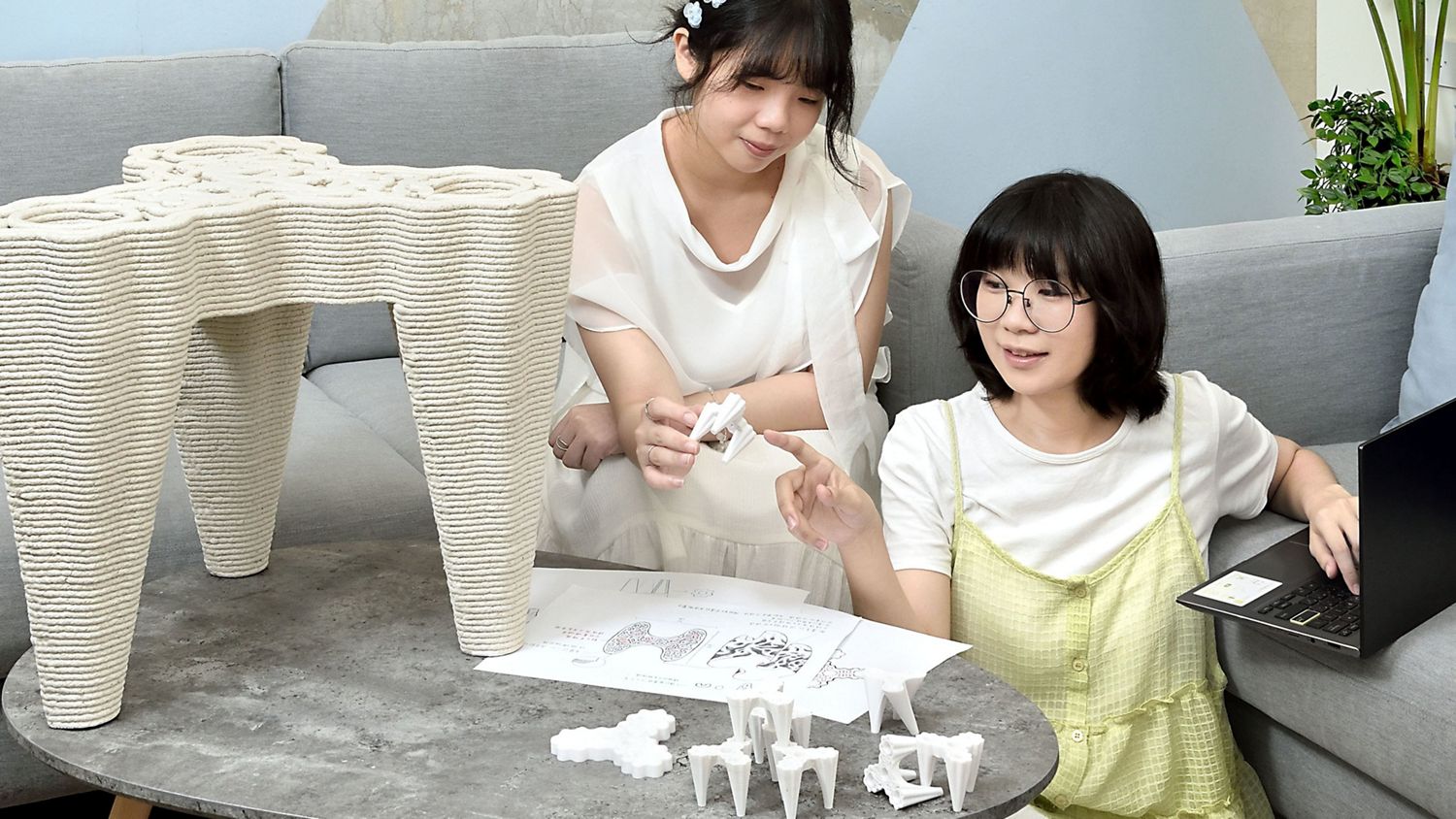
Problem: Coral reefs are disappearing rapidly due to climate change and improper human activities, threatening marine biodiversity.
Solution: Reefvive is a modular artificial reef made from marine waste that provides a stable surface for coral growth and helps restore damaged reef ecosystems.
Invented by Yin-Rui Liao - National Taiwan Normal University
-
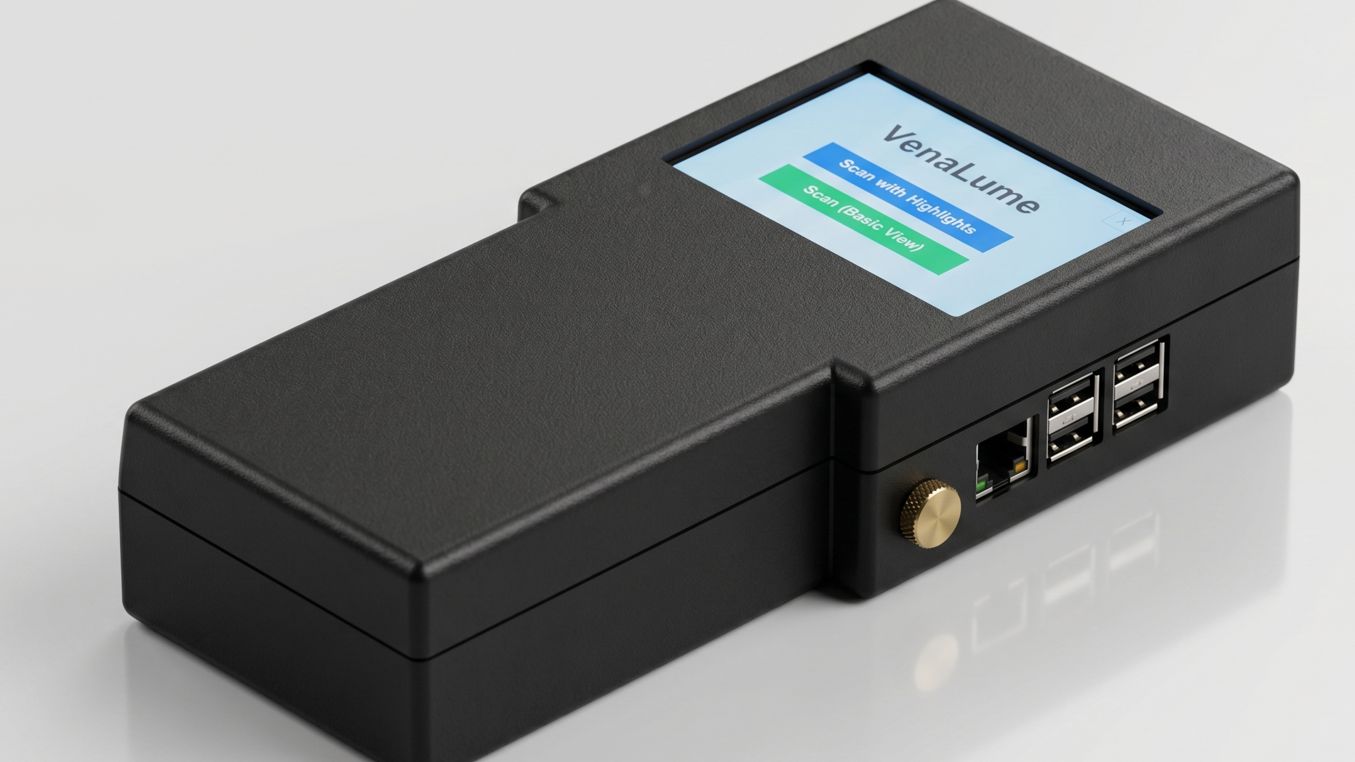
Problem: IV insertions often fail for patients with hard-to-find veins, causing pain, treatment delays and repeated needle attempts.
Solution: VenaLume is an affordable vein imaging device that uses AI and near-infrared technology to help healthcare professionals find veins and reduce failed IV insertions.
Invented by Umer Farhan - Middlesex University Dubai
-
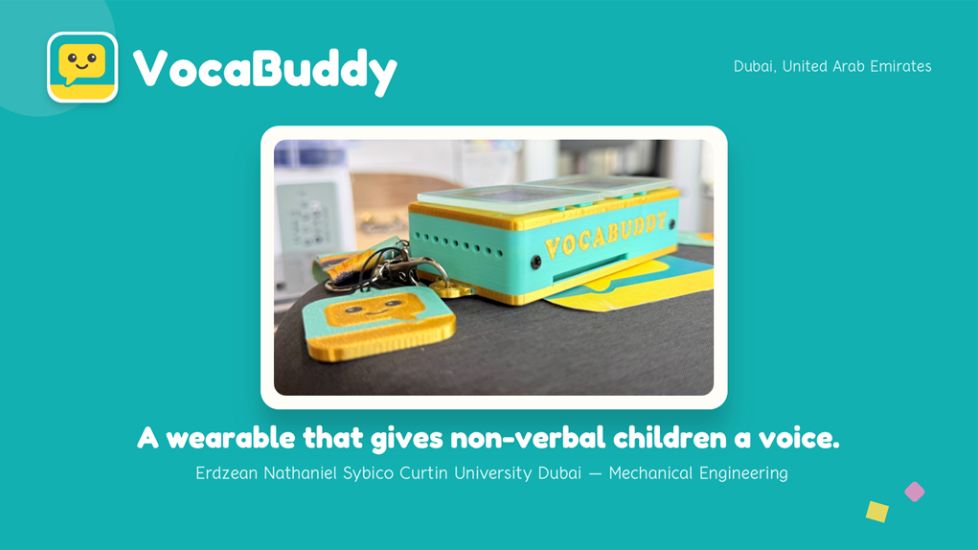
Problem: Non-verbal children with autism can struggle to communicate their needs, leaving families and caregivers to rely on guesswork.
Solution: VocaBuddy is a personalised wearable device that helps non-verbal children communicate using familiar photos, voices and tactile cues.
Invented by Erdzean Nathaniel Sybico - Curtin University Dubai
-
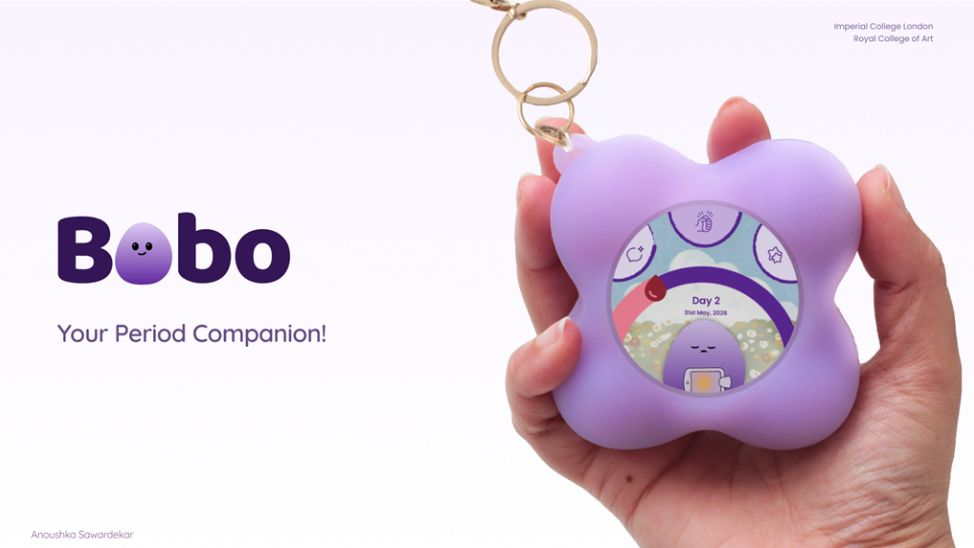
Problem: Menstrual disorders such as endometriosis can take years to diagnose, delaying treatment and support for young people.
Solution: Bobo is a handheld menstrual health companion that helps young people track symptoms and generate reports for GPs, supporting earlier diagnosis of menstrual disorders.
Invented by Anoushka Sawardekar - Imperial College London and Royal College of Art
-
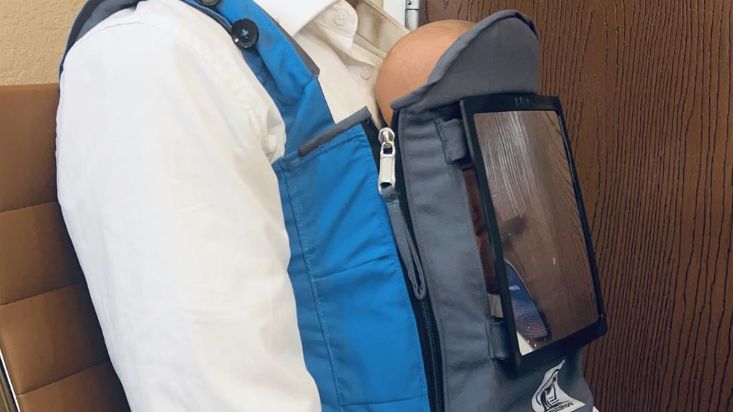
Problem: Newborn jaundice can cause serious health complications if left untreated, but existing treatments are often costly and inaccessible.
Solution: BiliRoo is a low-cost phototherapy sling that uses filtered sunlight to treat jaundice while keeping babies in skin-to-skin contact with their parents.
Invented by Daniel John - University of Michigan
-
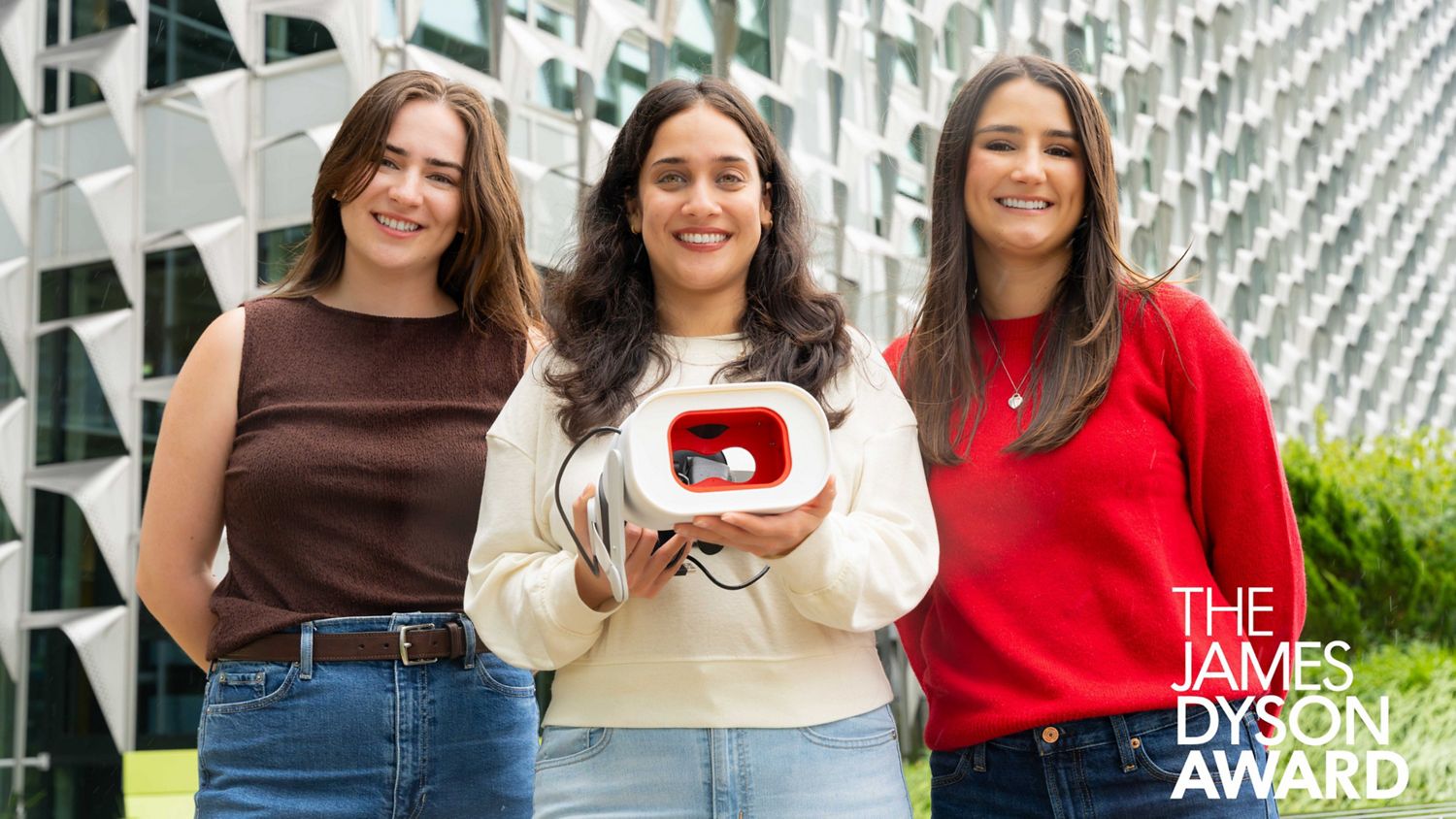
Problem: Concussions can be difficult to spot on the sideline, leaving young athletes at risk of returning to play too soon.
Solution: Rumble Rims is a low-cost eye-tracking headset that helps coaches detect concussions and make safer return-to-play decisions.
Invented by Radhika Saran, Cleo Pontone and Sophia DeVito - Harvard University
Press contacts
-
Dyson Press Office
Email: Press.Office@dyson.com
-
James Dyson Award
- Website: https://www.jamesdysonaward.org/
- Instagram: @jamesdysonaward
- X: @jamesdysonaward
- TikTok: @jamesdysonaward
- LinkedIn: James Dyson Award
- YouTube: youtube.com/jamesdysonfoundation
Discover Dyson