Introducing our James Dyson Award 2026 National Winners
Published: 16th September 2026
The James Dyson Award 2026 National Winners in brief:
- The James Dyson Award has announced its 2026 national winners and runners-up, selected from 28 countries and regions
- This year's winning inventions demonstrate how young engineers are applying ingenuity to improve lives, from supporting independent living and advancing medical care to strengthening disaster resilience and creating more sustainable systems.
- All 28 national winners and 56 runners-up will advance to the international Top 20 shortlist, for a chance to win £30,000.
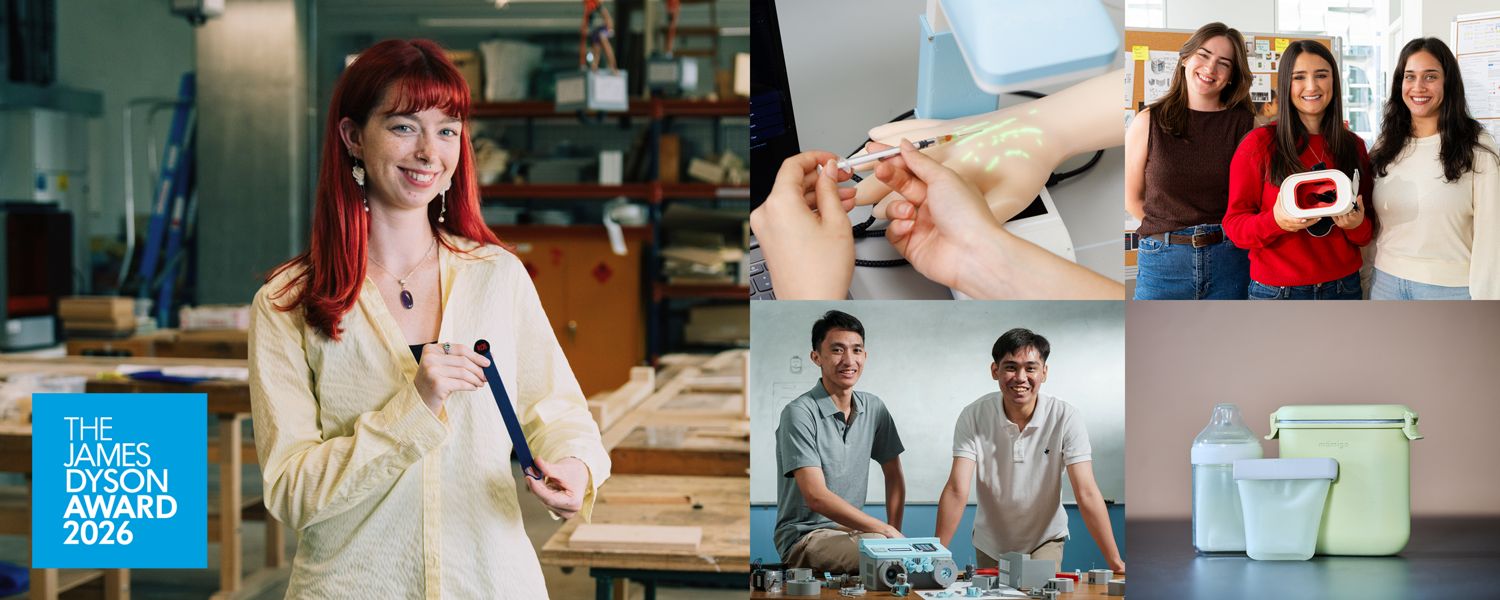
Each year, the James Dyson Award challenges the next generation of engineers to tackle real-world problems through invention and design. This year’s winners responded with a broad spectrum of solutions spanning accessibility, healthcare, sustainability and disaster resilience, among others. From smart mobility aids to low-cost medical devices and innovative systems that transform waste into valuable resources, this year’s cohort demonstrated the power of engineering to solve big societal issues.
Founded in 2005, James Dyson Award has now supported more than 400 young inventors and awarded over £1.5m in prize money. Recent past winners such as Make-roscope (Philippines) and Petit Pli (United Kingdom) have gone onto commercialise their inventions, demonstrating the Award’s ability to help turn promising ideas into businesses making a real impact to everyday lives.
Today, we recognise 28 national winners and 56 national runners-up, selected by a national panel of experts, including academics, journalists, Dyson engineers and previous winners. The national winners will each receive prize money and international media exposure to help bring their inventions closer to commercialisation.
Additionally, all national winners and runners-up will progress to the next stage of the competition, where they will compete for a place in the international Top 20 shortlist and have the chance to be named a global winner, receiving £30,000 to support the development of their invention.
Congratulations to this year’s winners! Discover our 2026 award-winning inventions below.
-

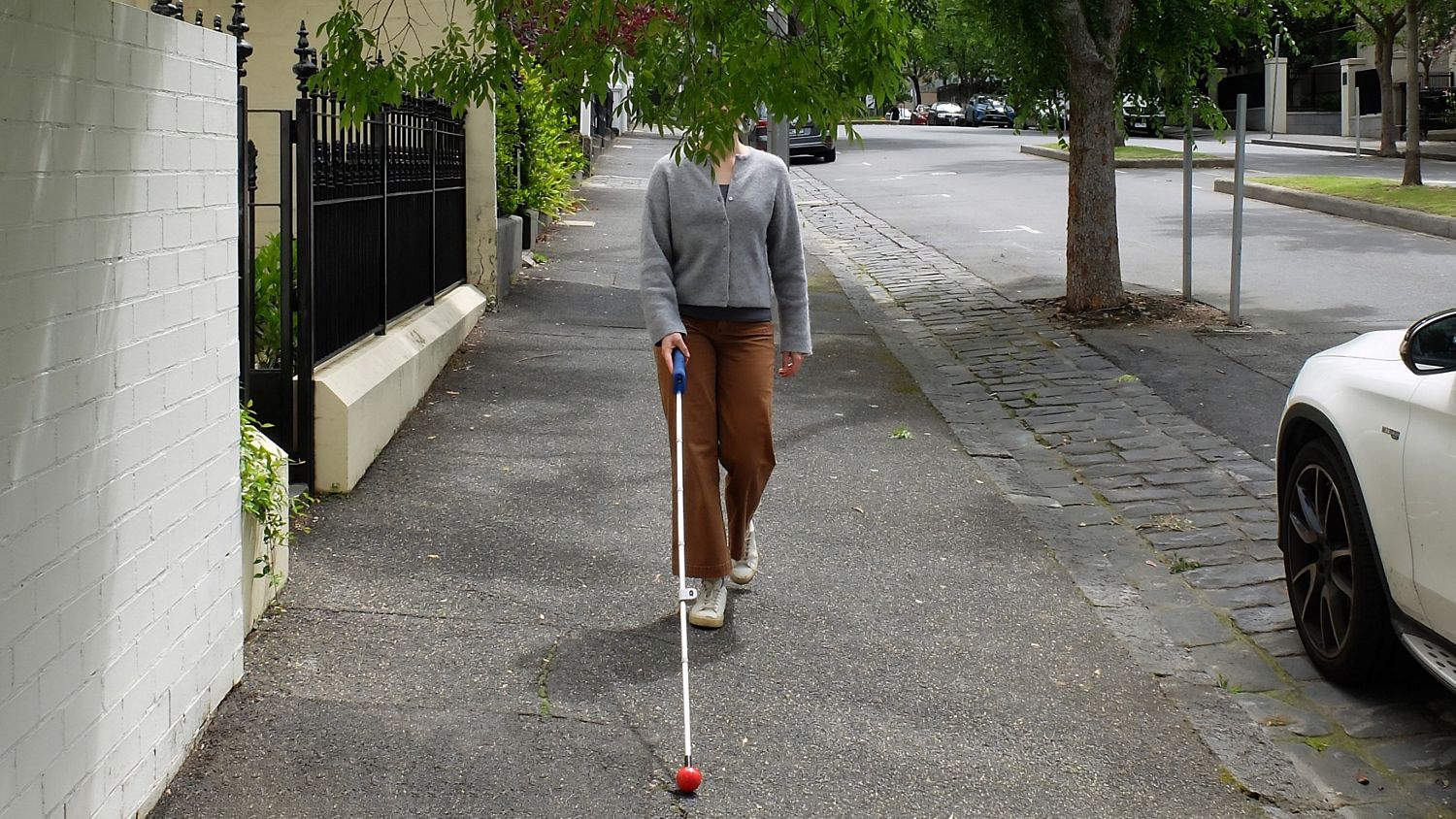
Problem: White canes help blind and visually impaired people detect ground-level obstacles but leave them vulnerable to head-height hazards such as branches and signs.
Solution: Clear Step is a smart white cane that uses lasers to detect obstacles at head height and ahead of the user, communicating them through touch-based feedback.
Runner-up: TEROS, a handheld planting tool that makes reforestation faster and more accessible.
Runner-up: Coolearth, a low-technology medication cooler that stabilises pharmaceuticals without electricity-intensive refrigeration. -
Problem: Children with type 1 diabetes must gradually learn complex insulin management tasks, but current insulin pumps rely on complicated interfaces and create stress for children and parents during the transition to self-management.
Solution: Tower of Power is a modular insulin pump system that introduces diabetes management responsibilities step by step as children grow.
Runner-up: Closed Loop footwear, a modular, sustainable shoe that is fully recyclable and repairable.
Runner-up: MOTEX, an interchangeable power tool system designed to reduce waste.
-
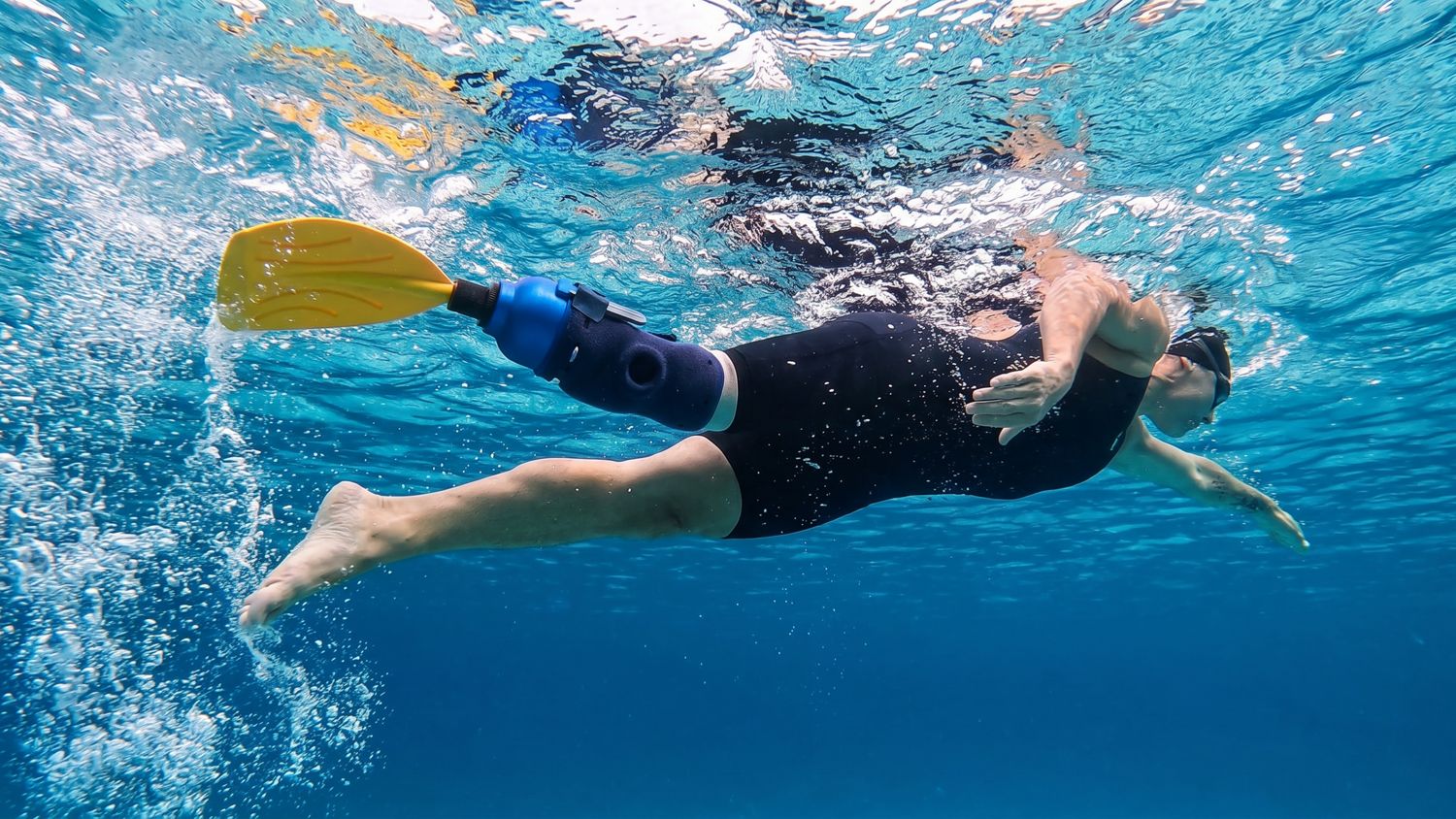
Problem: Many lower-limb amputees cannot afford swimming prosthetics, leaving them with limited access to swimming and other water activities.
Solution: The DIY Swimming Prosthetic is a low-cost, easy-to-build swimming prosthesis that can be made using widely available materials and simple manufacturing techniques.
Runner-up: Livid, a smart emergency injection system helping treatment to be delivered quickly and correctly in critical situations.
Runner-up: Boroud, a modular food storage system which extends crop freshness while reducing energy consumption.
-
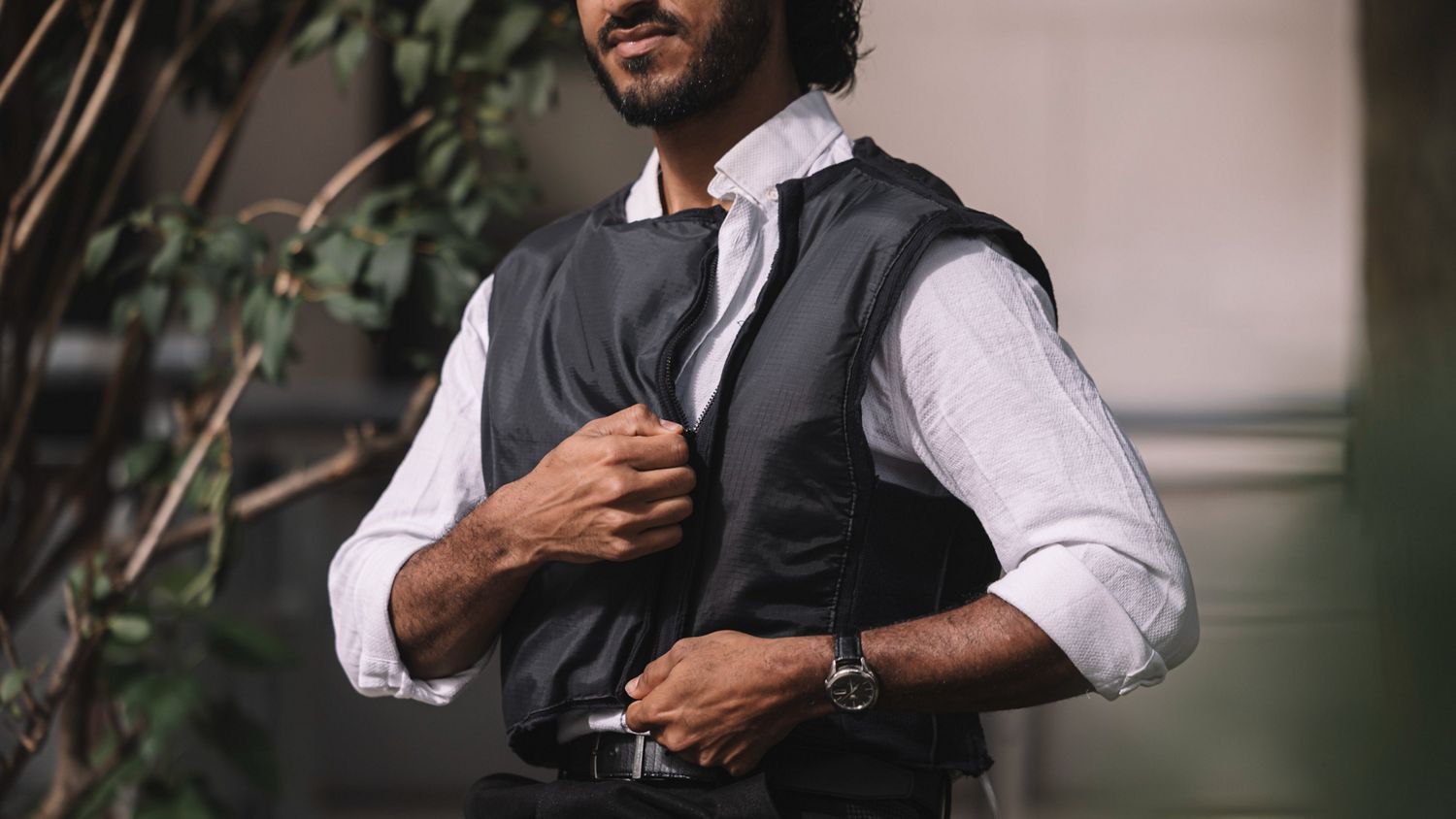
Problem: Individuals with sensory sensitivities can experience overwhelming stress in unpredictable environments such as schools, restaurants and public spaces.
Solution: Proactive Project is a smart stress vest that monitors biometric changes to detect rising stress and automatically inflates to mimic the calming sensation of a hug.
Runner-up: AnemoSwab, a non-invasive breath test that captures exhaled aerosols for respiratory testing.
Runner-up: SoleTrace, a smartphone-based screening tool that analyses shoe wear patterns to help identify early signs of Parkinson's disease.
-
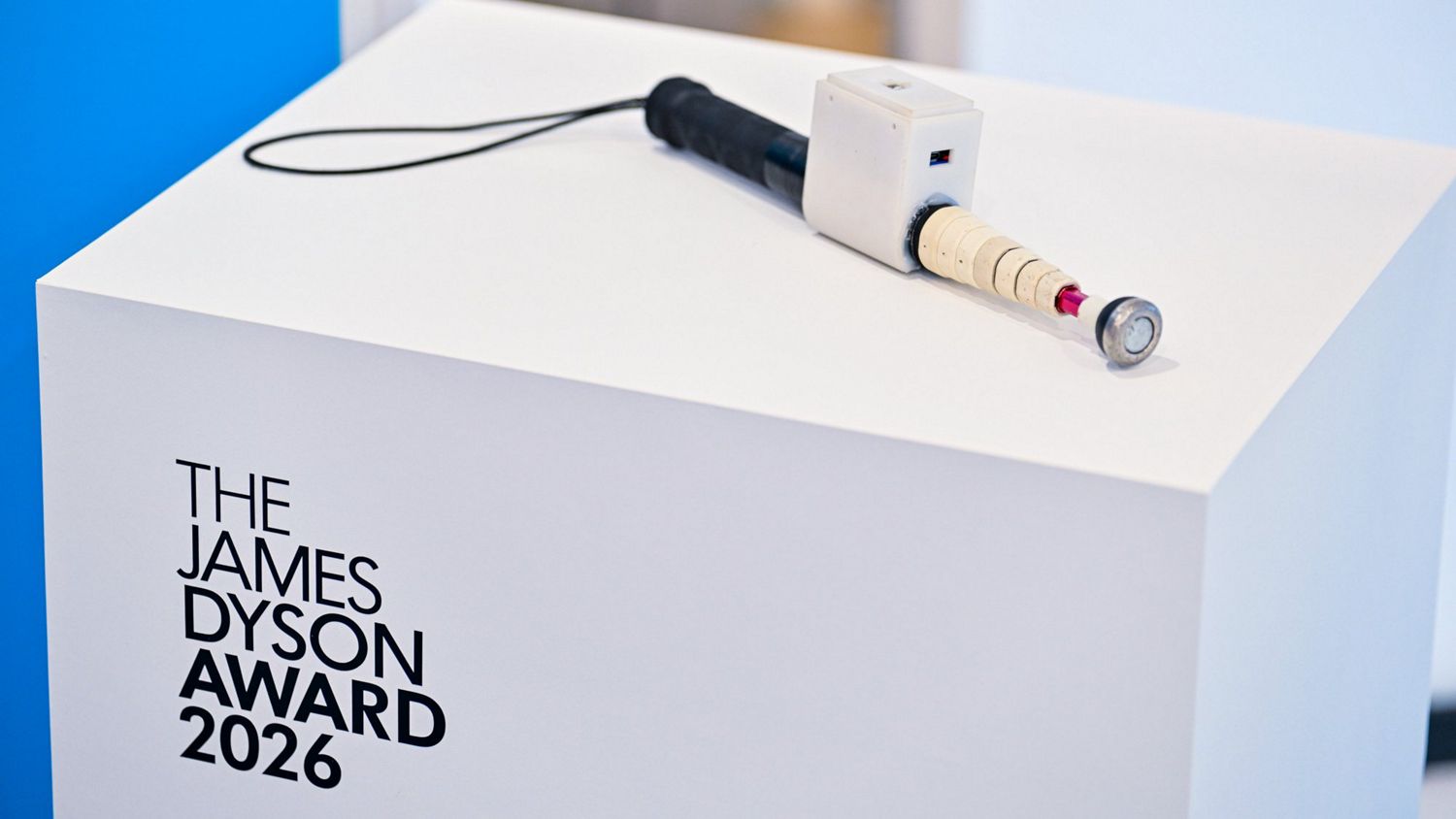
Problem: For visually impaired people, finding the exact entrance, elevator or destination remains difficult once conventional navigation tools stop guiding them.
Solution: CaneSight is an AI module which attaches onto a cane guiding people towards their end destination.
Runner-up: Softact, an intelligent breast palpation system to monitor symptoms of breast cancer without radiation.
Runner-up: FloodFlip, a public bench that transforms into an emergency flood rescue raft.
-
Problem: People with transradial limb loss often struggle to access comfortable, affordable, and personalised prosthetic sockets.
Solution: ENCAJA is a digital prosthetic design system that uses smartphone 3D scanning, generative design, and distributed manufacturing to automatically create personalised prosthetic sockets.
Runner-up: EVVA, a pelvic floor rehabilitation system that combines electrical stimulation with personalised digital guidance.
Runner-up: Nanoshield, a sustainable antimicrobial coating designed to reduce infections in haemodialysis catheters.

-
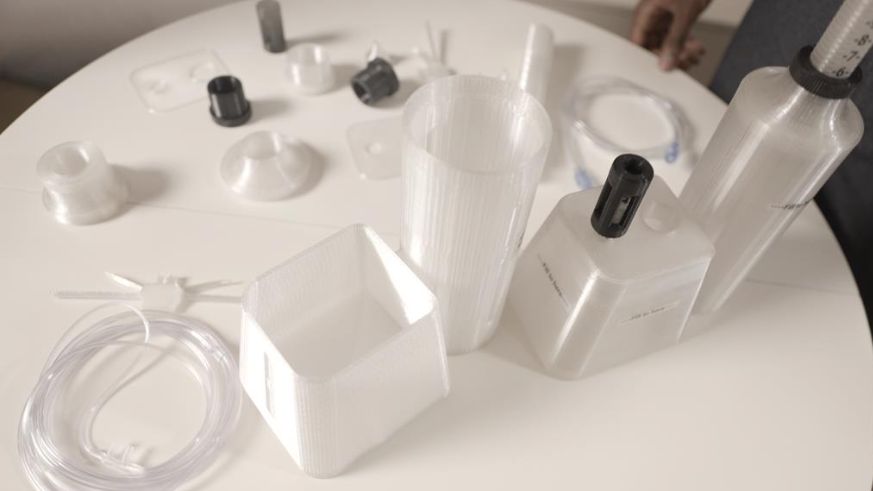
Problem: Premature babies in many hospitals, particularly in low-resource settings, lack access to simple, reliable respiratory support.
Solution: NUMA is a simple neonatal respiratory support device designed for low-resource settings.
Runner-up: TORPEDO, a battery-free emergency light which is activated by water and designed for use during floods and disasters.
Runner-up: Egle, an assistive mask for blind football which uses tactile feedback to detect obstacles and pitch boundaries.
-
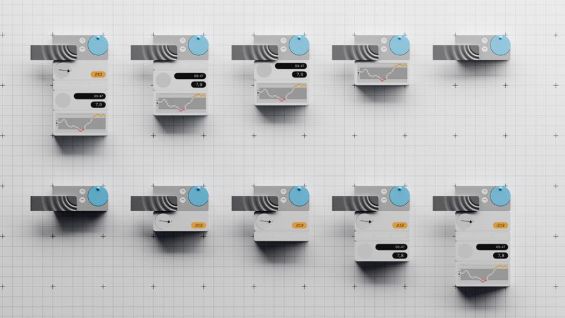
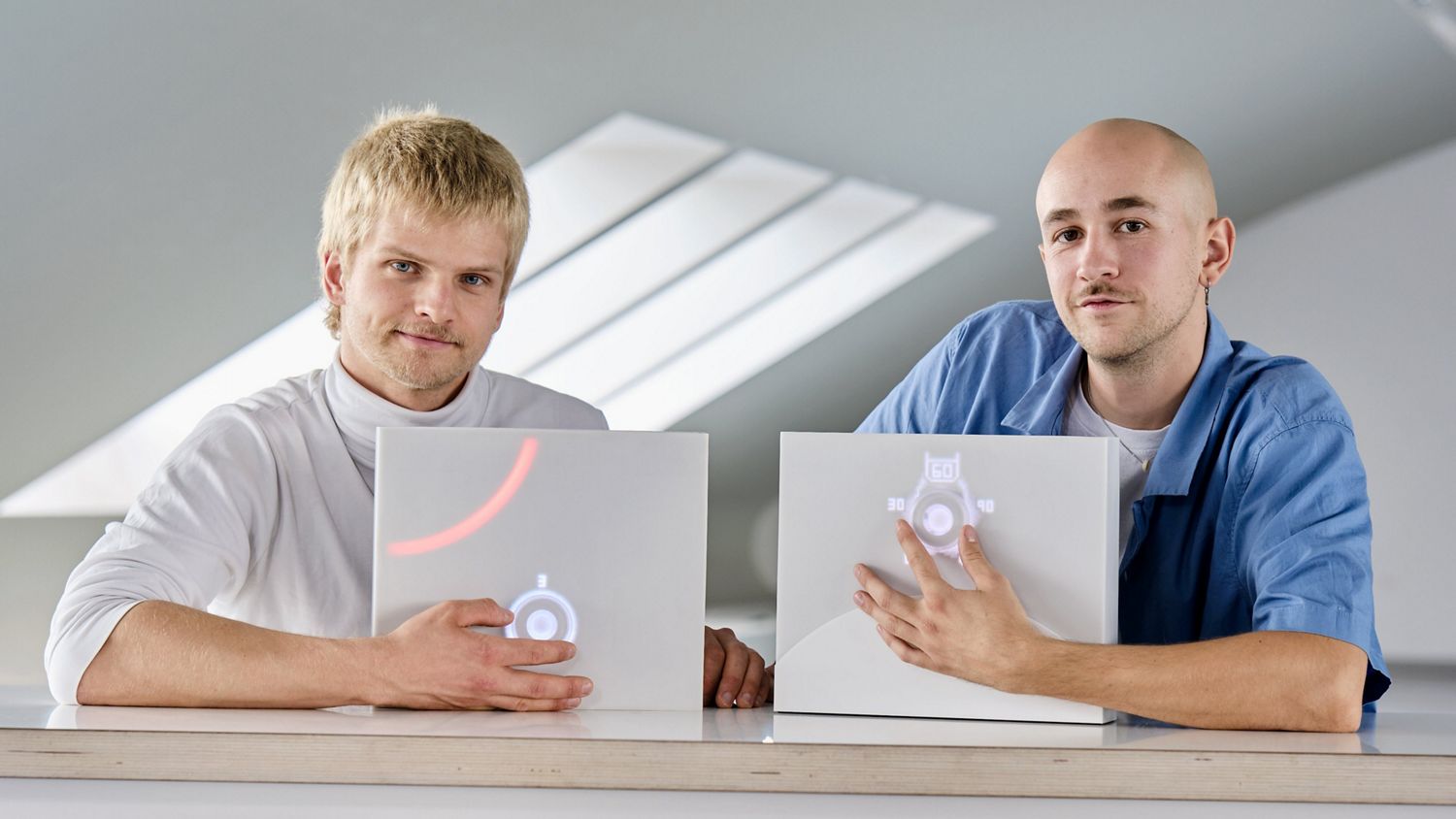
Problem: Many modern devices rely on touchscreens that can be difficult to use for people with disabilities.
Solution: ANY is a customisable control knob that makes digital devices easier to use.
Runner-up: Personalised chest protector for women in sports, a 3D-printed, customisable chest protector.
Runner-up: NURA, a wristband which uses EMG technology to translate sign language.
-
Problem: Nearly 40% of first IV attempts fail, causing bruising, pain, and repeated needle sticks.
Solution: DUALVein is a near-infrared imaging device that uses AI segmentation to trace veins and project them directly onto the skin, showing trainees where to insert the needle.
Runner-up: Strairio, a handrail-mounted robot that automates stairwell inspections.
Runner-up: Musec, a wearable sleeve that lets users create and feel music through movement.
-
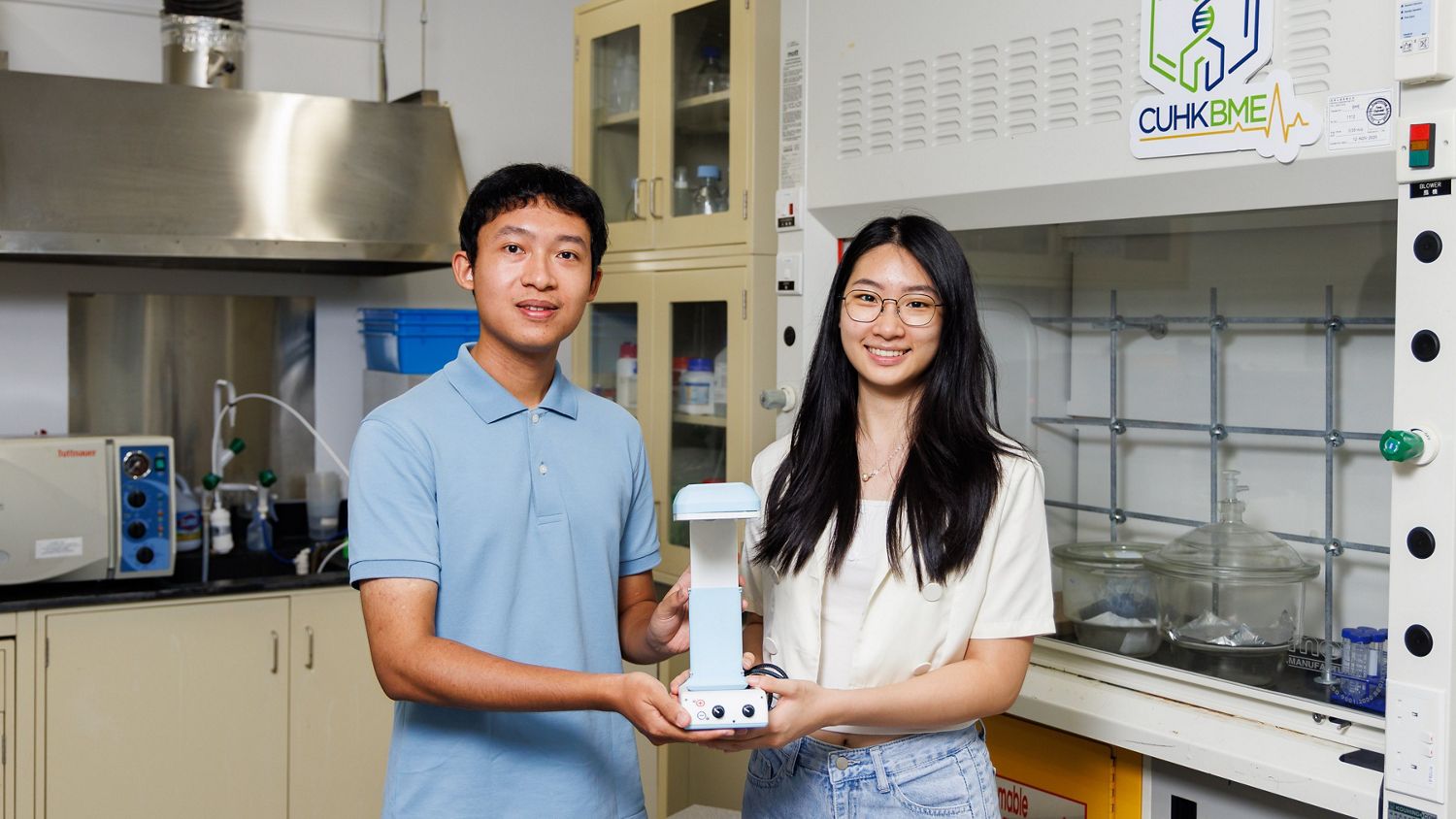
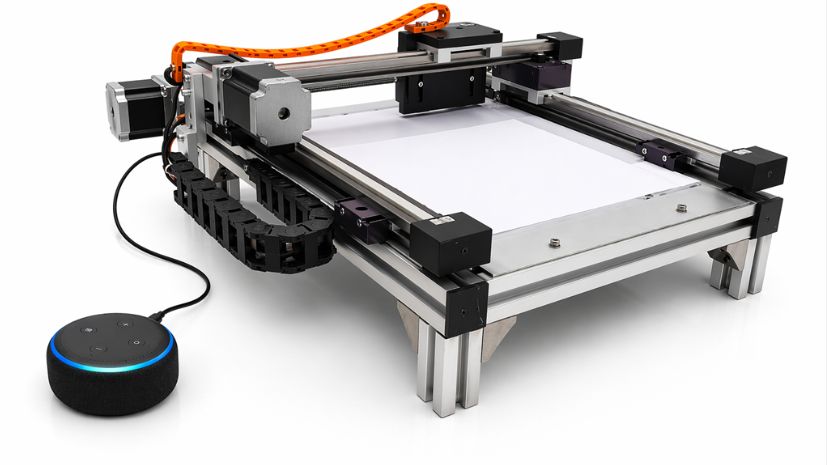
Problem: Traditional Braille writing using a slate and stylus can be physically tiring and complicated.
Solution: RUDHRA is a voice-enabled Braille printing system that converts spoken input into reverse Braille patterns.
Runner-up: ViabilityX, q backpack-style system that keeps donor organs at a safe temperature during transport.
Runner-up: Trike 2π, a compact three-wheel electric patrol vehicle designed specifically for security personnel.
-
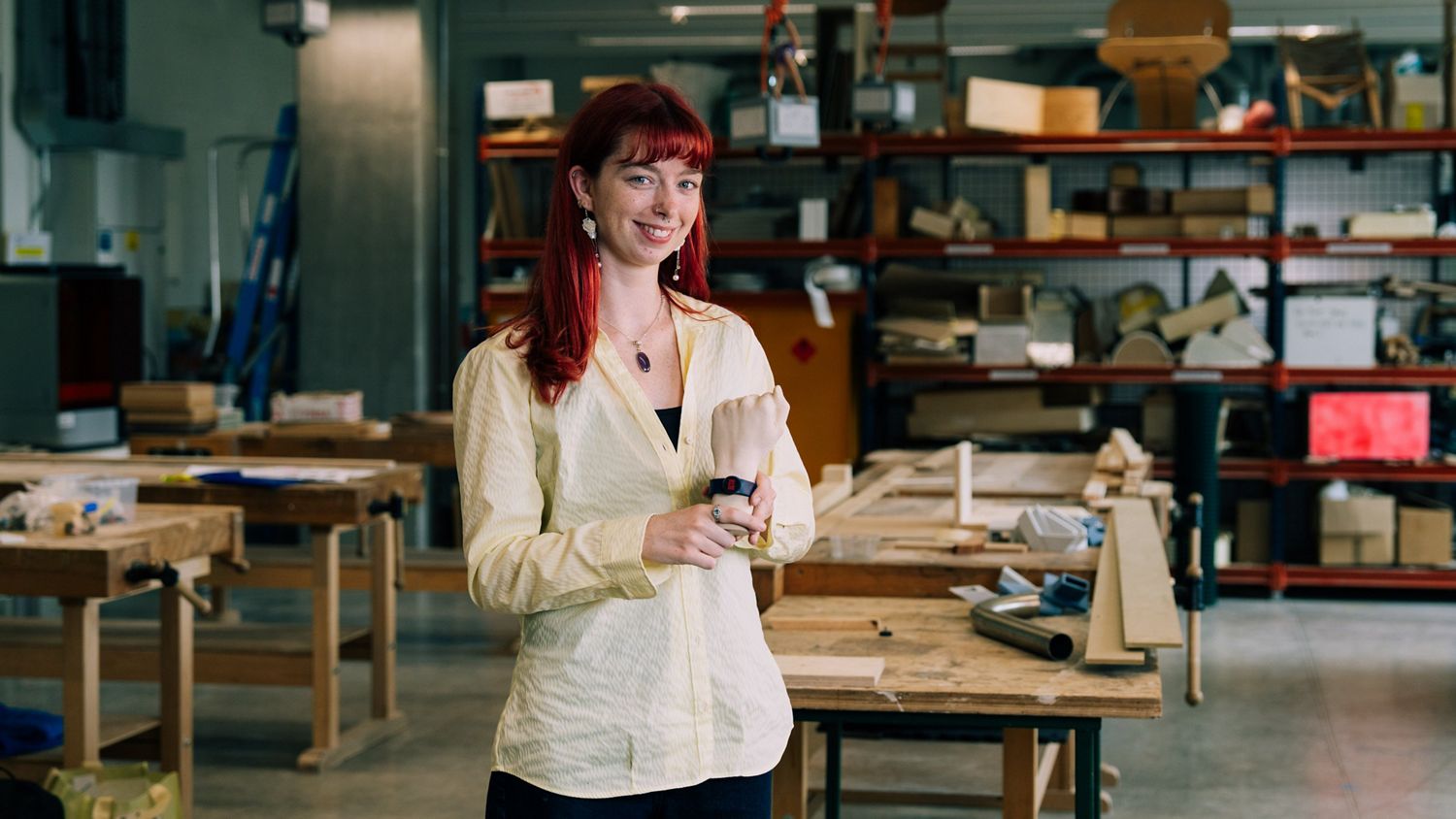
Problem: Mental health nurses face many workplace assaults occurring during situations that could potentially be de-escalated through earlier support.
Solution: Noli is a discreet emergency wristband that helps mental health staff quickly call for assistance.
Runner-up: Life-Boom, an autonomous tracking light system which keeps a line of sight on crew members in the sea.
Runner-up: IRIS, a concussion-detection device for athletes.
-
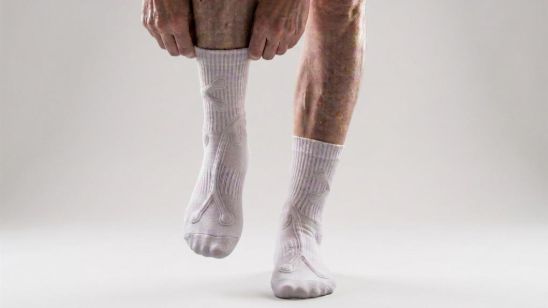
Problem: People with Parkinson's disease can experience Freezing of Gait, where they suddenly become unable to initiate or continue walking.
Solution: Orpheus is a smart wearable sock that converts the rhythm of a user's favourite music into discreet vibrations across the foot to prevent freezing of gait.
Runner-up: M.io, a precision wearable infusion pump for accurate drug delivery
Runner-up: Quaì, an affordable, lightweight swimming prosthesis that replicates arm movements during the front crawl.
-
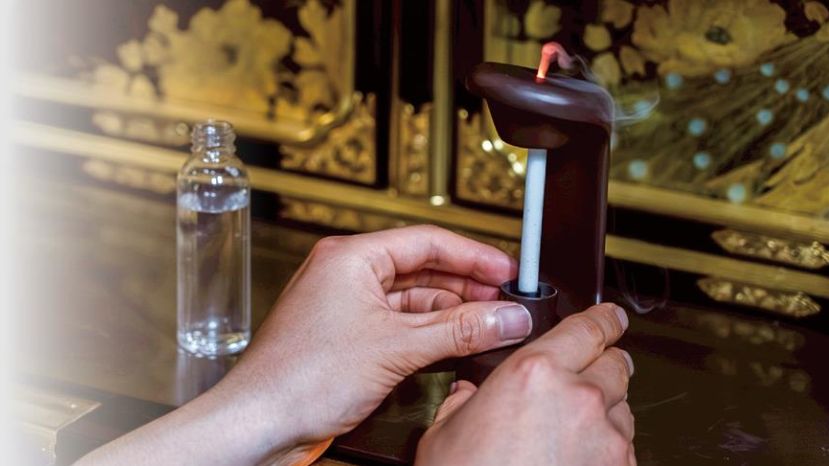
Problem: Many elderly people continue to burn candles and incense causing safety issues.
Solution: Morito is a flameless prayer device that uses LED-generated flame effects and scented mist to recreate the effect of a candle.
Runner-up: TAIKA, a sustainable fire-retardant coating that helps protect wooden buildings from fire.
Runner-up: Dust paper, a system which recycles collected indoor dust into usable paper.
-
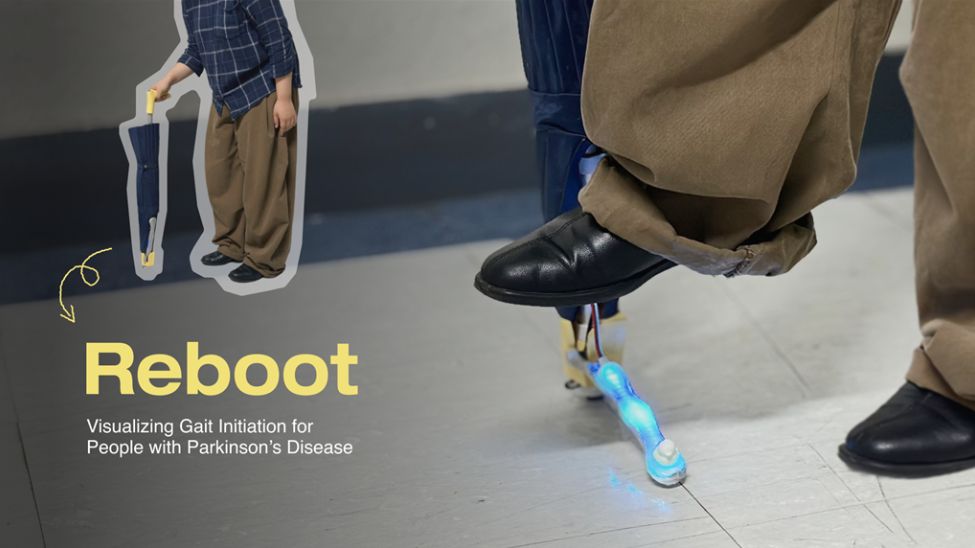
Problem: People with Parkinson’s disease can experience Freezing of Gait (FoG), where they suddenly become unable to initiate or continue walking.
Solution: Reboot is a smart cane for people with Parkinson’s disease to detect early signs of freezing of gait.
Runner-up: Fixwing, an IV catheter that automatically secures itself after insertion.
Runner-up: Solemate, a play-based therapy device that helps children with autism develop more natural walking patterns.
-
Problem: People with Parkinson’s disease often experience hand tremors that make everyday tasks difficult and reduce their independence.
Solution: Zemor is a battery-free, adjustable wearable orthosis that reduces Parkinson’s hand tremors using a miniaturised Tuned Mass Damper.
Runner-up: S.L.I.C, a solar-powered water purification system that produces safe hot or cold drinking water without grid electricity.
Runner-up: PILLAY, a contactless, penguin-shaped health screening device that engages children while monitoring key health indicators.
-
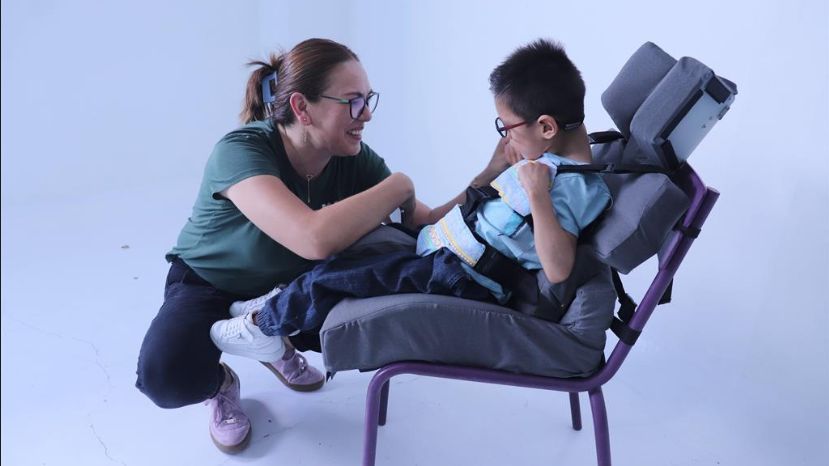
Problem: Children with cerebral palsy often require specialised seating systems to maintain correct posture and support healthy development.
Solution: Guimo is a postural support system that securely attaches to almost any chair and grows alongside the child.
Runner-up: NUVA, a thimble-shaped at home test for bacterial vaginosis and trichomoniasis.
Runner-up: Zoom, a portable, affordable microscope made using lenses recovered from electronic waste.
_cropped.jpg?$responsive$)
-
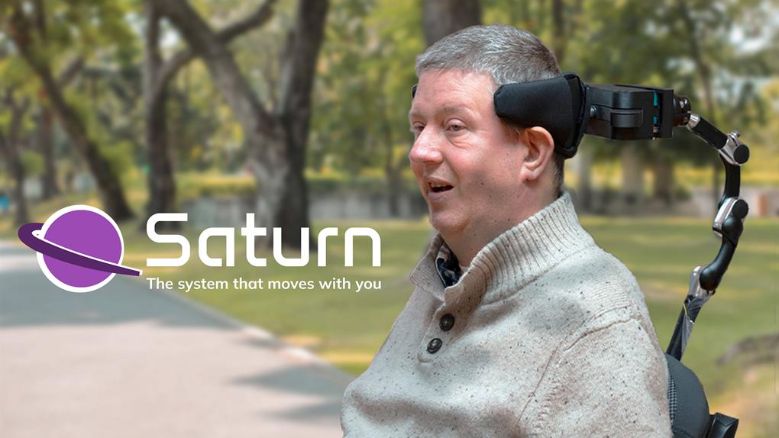
Problem: Existing head control systems for powered wheelchairs often lack user-centred design, limiting independence for people with spinal cord injuries.
Solution: Saturn is a user-oriented head control system that enables intuitive wheelchair control through simple head movements.
Runner-up: PROJECT PULSE, an intelligent roadside warning system that helps clear a path for emergency vehicles.
Runner-up: SenseScape, a voice-guided navigation assistant for people who are blind or have low vision.
-
Problem: Research into menstrual health revealed that reusable menstrual cup users struggle with the cleaning and sterilisation process.
Solution: Arla Gen II is a compact cleaning and sterilisation device for menstrual cups and discs.
Runner-up: The Windfilter, an air purification system powered by wind instead of electricity.
Runner-up: Path Finder, a crawling therapy device that helps children with Cerebral Palsy to build coordination, strength and neurological pathways.
-
Problem: Peritoneal dialysis can require frequent manual fluid exchanges, increasing the risk of contamination.
Solution: BiDaKidney is a compact, lightweight and low-cost machine that automates the dialysis process to reduce the need for manual handling.
Runner-up: Sentinel, an embedded building damage sensor that monitors the health of concrete structures following earthquakes.
Runner-up: OrthoFlex, a low-cost motorised elbow brace that automates repetitive flexion and extension exercises.
-
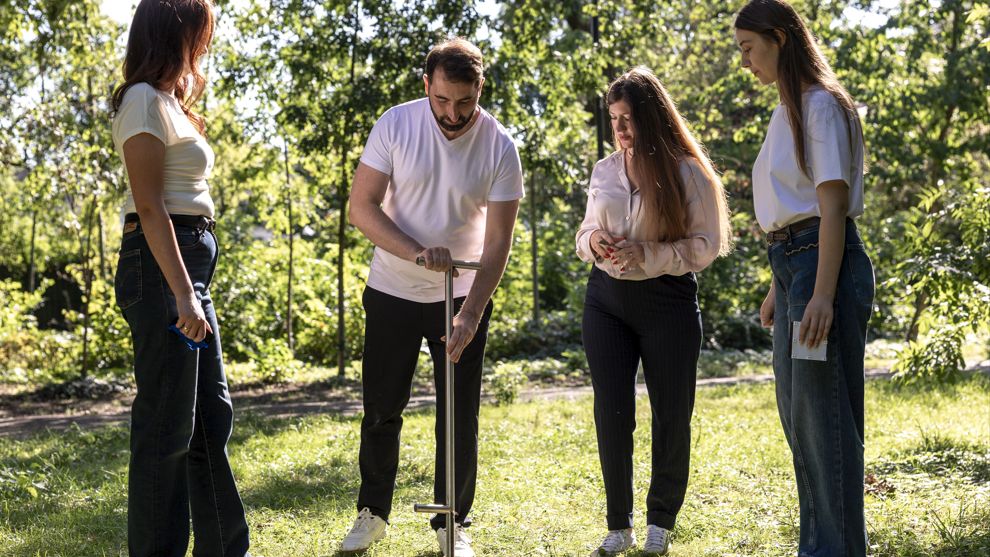
Problem: Farmers often lack fast and reliable information about soil conditions, leading to overuse or inefficient application of fertilisers.
Solution: AgroSysIT is a portable optical soil analysis device which quantifies soil pH, nutrients, and selected contaminants.
Runner-up: Intelligent Hives, a solar-powered smart hive monitoring system that provides early warnings about colony changes.
Runner-up: TS Walker, a telescopic walking aid with adjustable rear legs that adapt to stairs, slopes, and uneven terrain.
_cropped.jpg?$responsive$)
-
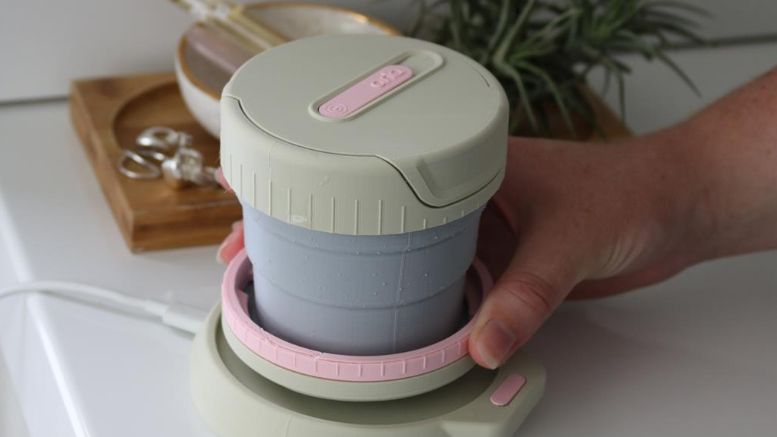
Problem: Feeding expressed breastmilk while travelling often requires parents to carry separate storage bags, bottles and warming equipment, with milk transferred between containers.
Solution: mömigo is a reusable silicone container that allows breastmilk to be stored, warmed and fed from the same system.
Runner-up: EmotiMate, an AI-powered communication tool that helps Deaf and hard-of-hearing people express emotion and intent.
Runner-up: JellyBot, a jellyfish-inspired underwater robot which monitors fragile coral reef environments in a non-invasive way.
-
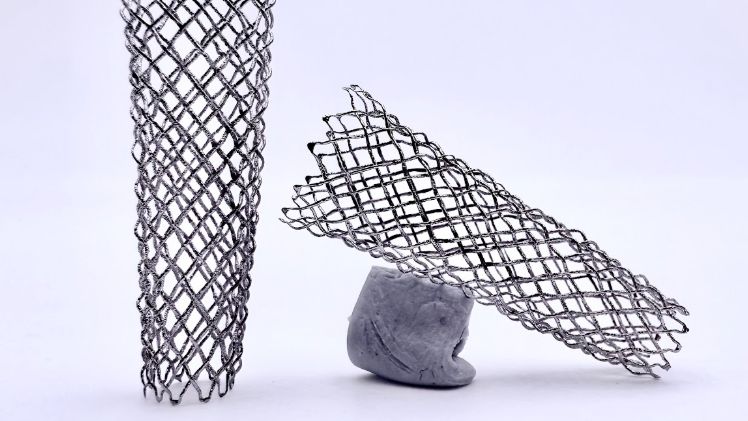
Problem: Current 3D-printed metal implants lack the flexibility and geometric control needed to match complex patient anatomies.
Solution: NitiBraid uses algorithm-driven design and 3D-printed Nitinol technology to create ultra-flexible, patient-specific vascular implants.
Runner-up: NitriTrack, a smart saliva test reader for at-home health monitoring.
Runner-up: Prometheus, a compact power system designed for long-duration space missions.
_cropped.jpg?$responsive$)
-
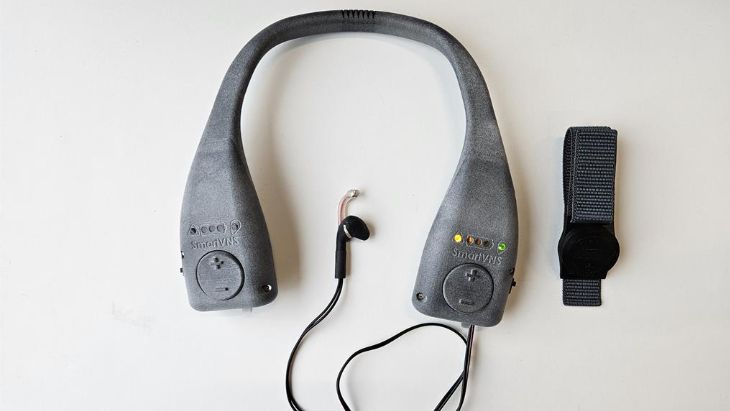
Problem: Many stroke rehabilitation approaches focus mainly on physical movement rather than directly supporting the brain’s ability to recover.
Solution: SmartVNS is a wearable therapy system that helps support brain recovery after stroke and brain injury.
Runner-up: CARU, a portable malaysis care kit that enables community health workers to provide immediate treatment and support.
Runner-up: EC Knit, a lightweight 3D-knitted sleeping system for overnight trains.
-
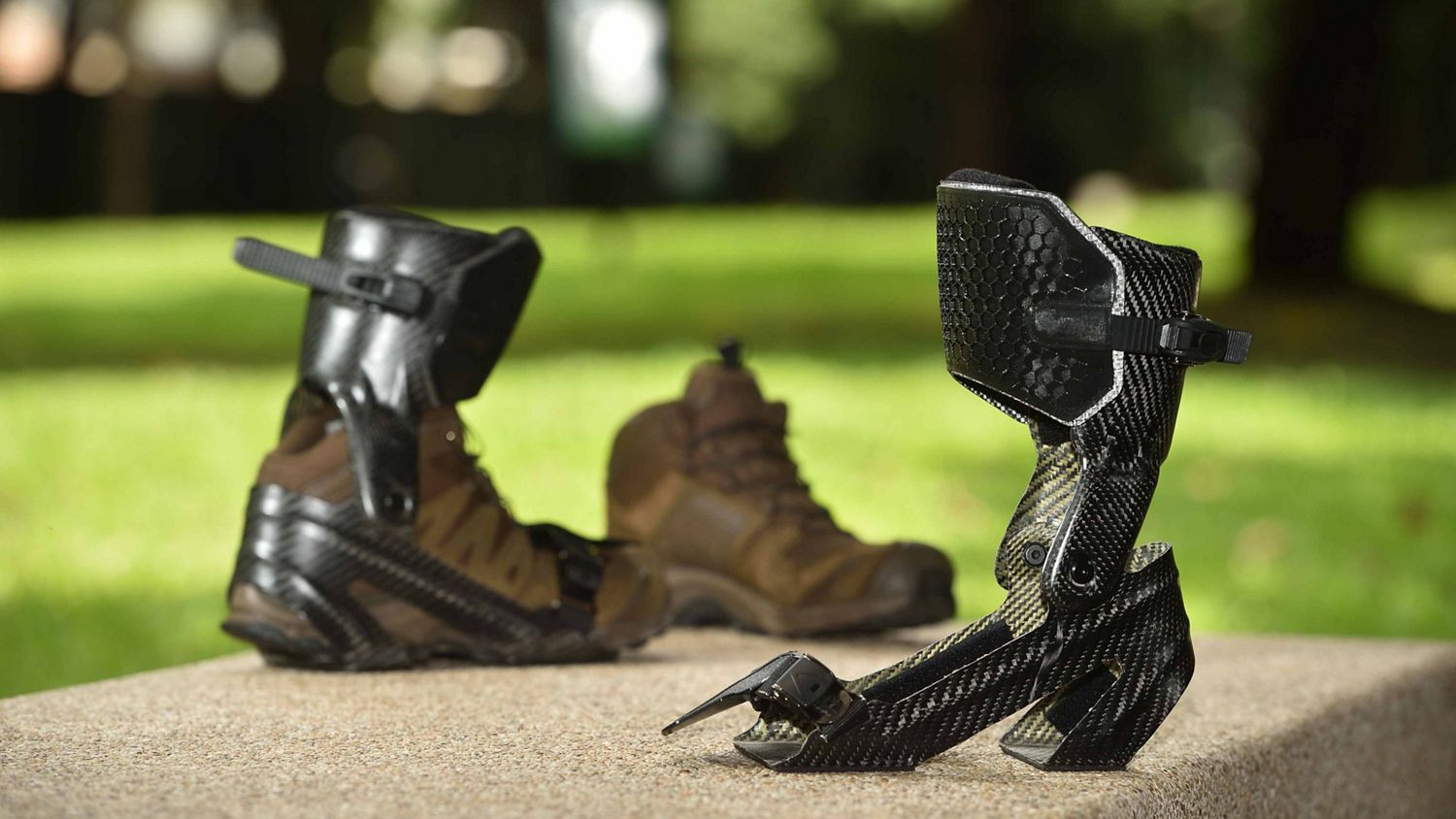
Problem: For daily use, many riders choose ordinary shoes over dedicated motorcycle boots due to their weight, bulk, and limited practicality.
Solution: Monolith CF is a lightweight carbon-fiber exoskeleton that attaches to regular footwear, separating protection from the shoe itself.
Runner-up: ReefVive, a modular artificial reef system made from locally sourced marine waste.
Runner-up: PuffO2, a wearable rescue mask that allows paramedics to diagnose and treat smoke inhalation directly at the scene.
-
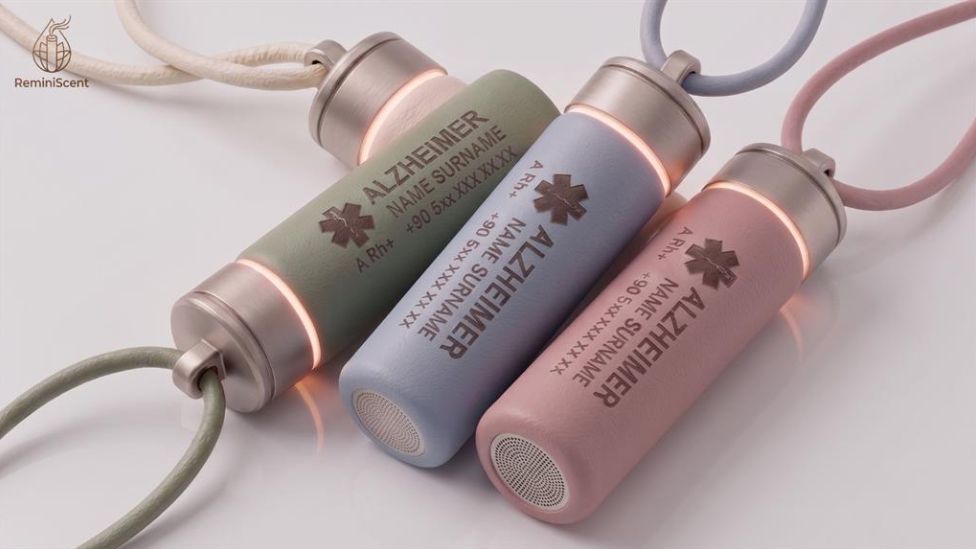
Problem: Existing Alzheimer's therapies often rely on stationary devices or require active participation and caregiver support.
Solution: ReminiScent is a wearable scent therapy device designed to support memory and cognitive function in people with Alzheimer’s.
Runner-up: Uni-Grip, an emergency cervical collar designed to enable safe single-paramedic application.
Runner-up: Desmos, an off-grid communication network for search and rescue teams.
-
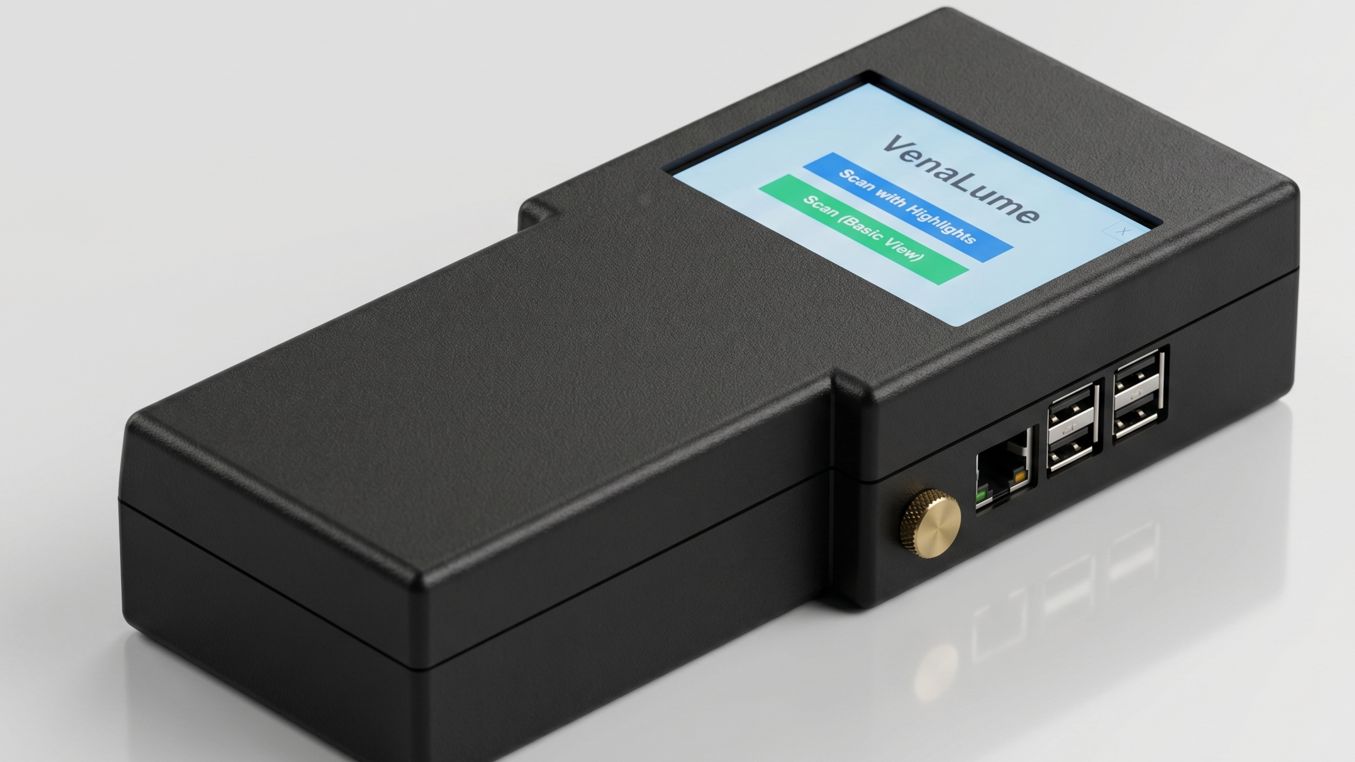
Problem: Peripheral intravenous catheter (PIVC) insertions often fail, particularly for patients with difficult venous access.
Solution: VenaLume combines an AI-based risk assessment tool with an affordable near-infrared vein imaging device to identify when visualisation is needed and provide real-time vein mapping.
Runner-up: VocaBuddy, a personalised wearable communication device to help non-verbal children express their needs.
Runner-up: AVAA, an AI-powered companion that helps parents monitor and engage with their children at home.
-
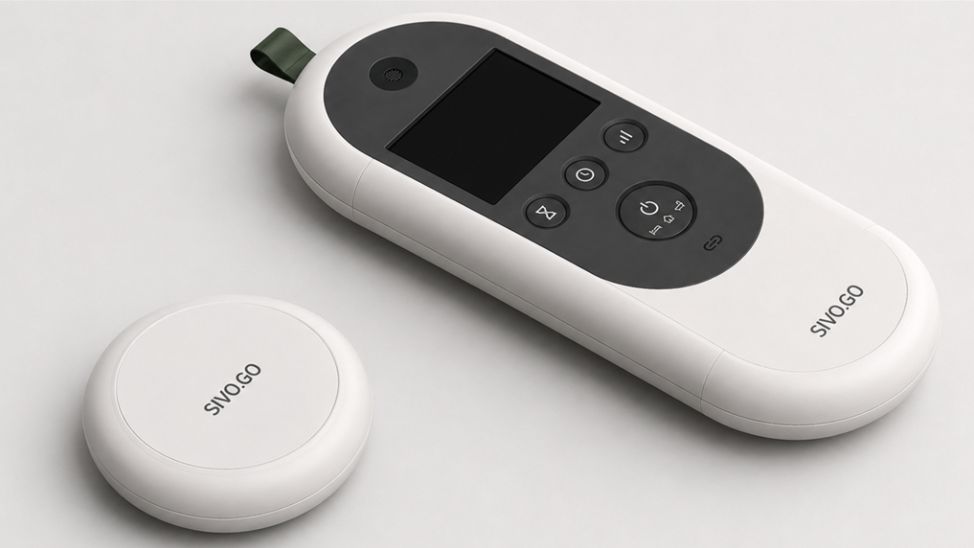
Problem: Deaf and hard-of-hearing individuals can miss important environmental alerts when they remove hearing devices during sleep, showering or travel.
Solution: SIVO.GO is a portable alert system that helps Deaf and hard-of-hearing people stay aware of their surroundings.
Runner-up: Bobo, a handheld health companion for young menstruators that makes symptom tracking simple, private and engaging.
Runner-up: CalfCue, a wearable system that combines a smart insole with a calf-based haptic feedback band.
-
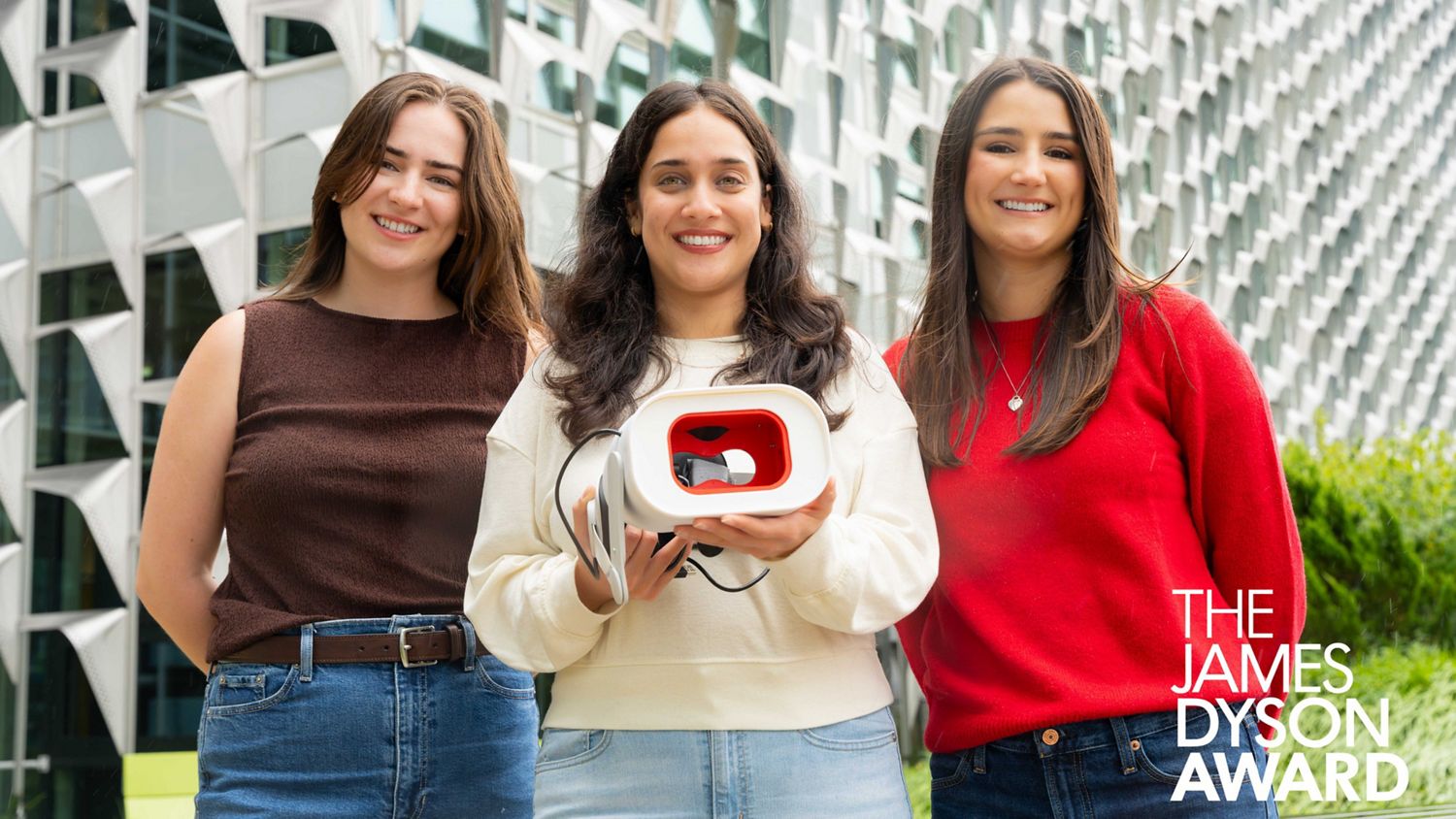
Problem: Concussions in young athletes are difficult to identify on the sideline because symptoms can be subtle and current checks often rely on subjective observations.
Solution: Rumble Rims is a low-cost infrared eye-tracking headset which provides coaches with objective neurological data to determine concussion.
Runner-up: Preta, a device converting waste biomass into high-performance sustainable materials.
Runner-up: BiliRoo, a low-cost phototherapy sling for treating newborn jaundice.
Press contacts
-
Dyson Press Office
Email: Press.Office@dyson.com
-
James Dyson Award
- Website: https://www.jamesdysonaward.org/
- Instagram: @jamesdysonaward
- X: @jamesdysonaward
- TikTok: @jamesdysonaward
- LinkedIn: James Dyson Award
- YouTube: youtube.com/jamesdysonfoundation
Discover Dyson